






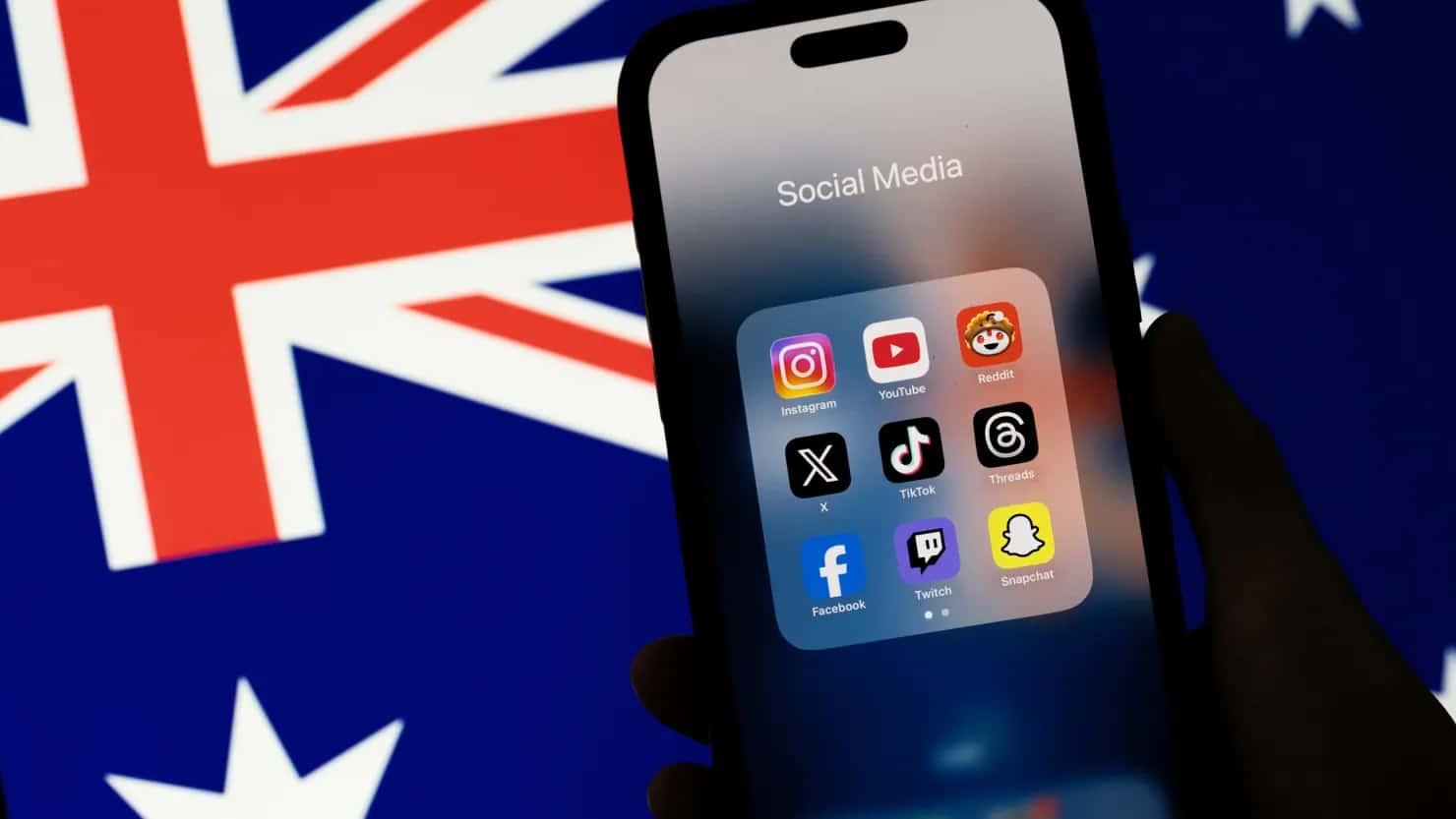
WORLD - More than 80% of Australian teenagers continue to use social media despite the country's landmark ban on users under the age of 16, according to a government-commissioned study released this week, highlighting the challenges of enforcing one of the world's toughest online safety laws.
The report, conducted by Australia's internet safety regulator, eSafety, found that while the proportion of children aged 10 to 15 with social media accounts declined from about 52% before the ban to 42% three months after it took effect, overall usage remained largely unchanged.
Around 81% of children surveyed said they were still using social media platforms, compared with 86% before the restrictions were introduced.
Australia's under-16 social media ban, which came into force in December 2025, requires major technology companies to prevent children under 16 from holding accounts or face substantial financial penalties.
The legislation is widely regarded as the first nationwide law of its kind and has drawn global attention from governments considering similar measures.
The study suggests weak age-verification systems remain the biggest obstacle to enforcement. More than half of the children surveyed said they were never asked to verify their age when accessing social media platforms, while others reported bypassing restrictions by entering false birth dates or using accounts that were not properly checked.
The findings also revealed an unintended consequence of the ban: parents appeared to have less visibility into their children's online activity.
Researchers warned that declining parental awareness could make it more difficult to identify harmful online behaviour or intervene when children encounter cyberbullying, inappropriate content or online predators. At the same time, many teenagers shifted their online activity toward messaging apps and gaming platforms that are not covered by the legislation.
Despite the findings, the Australian government defended the policy, arguing that behavioural change would take time and that stronger enforcement measures are being introduced.
Officials have announced plans to increase penalties for technology companies that fail to comply and to expand the powers of the eSafety regulator to investigate suspected breaches.
The report forms part of a two-year evaluation tracking more than 4,000 Australian children and their families.
While early results suggest the ban has reduced the number of official social media accounts held by children, researchers say sustained improvements will depend on more effective age verification by technology companies and continued monitoring of how young people adapt their online behaviour.