




LEBANON - Road traffic injuries are the leading cause of death globally among children and young adults aged 5–29, according to the World Health Organization. In the Eastern Mediterranean Region, 69% of reported road deaths in 2021 occurred among people under 45, while pedestrians, cyclists and motorcyclists accounted for nearly half of reported deaths.
Lebanon reflects this wider pattern, and in some respects faces an even more serious youth burden.
A Preventable Loss of Young Lives
Lebanese Internal Security Forces (ISF) data indicate that more than half of people killed on Lebanon’s roads are between 15 and 44 years old. Among those in this age group who survive a road injury, nearly one in five is reported to live with a permanent disability. In 2019, road traffic injuries were the third most common cause of death among people aged 20 and younger in Lebanon.
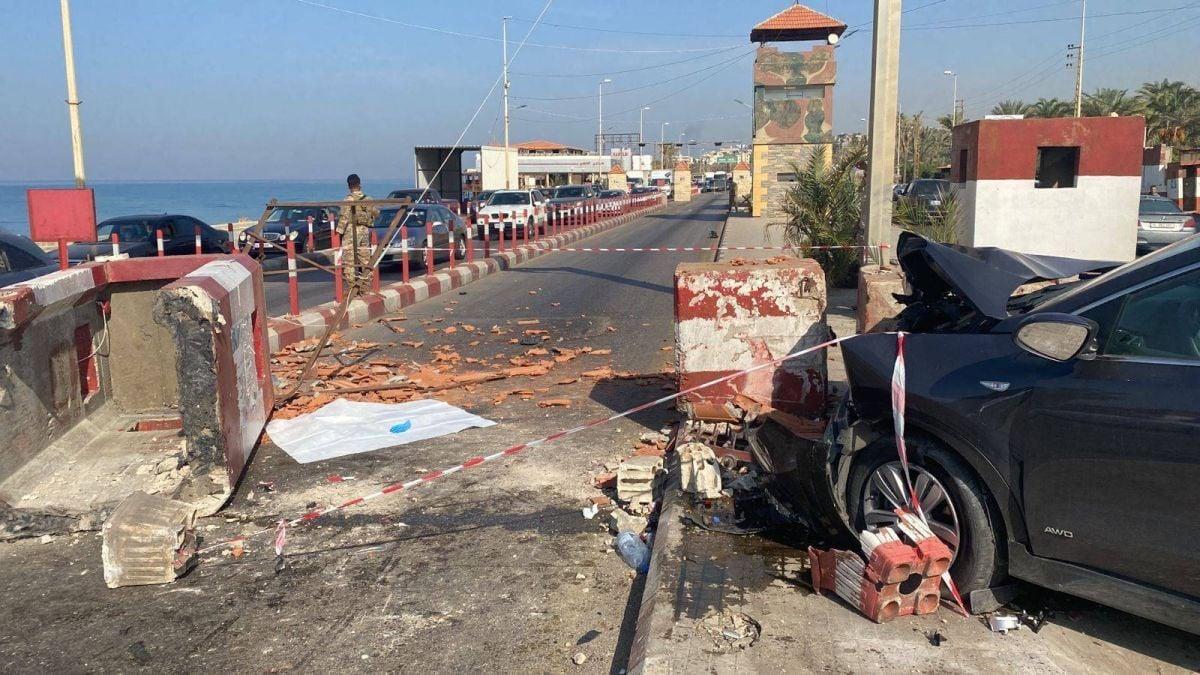
A 2025 American University of Beirut data-visualization project using ISF data found that 17.93% of recorded road crashes in 2024 were fatal, equivalent to approximately 18 fatal crashes per 100 recorded crashes. The data show that over the years, those aged 25-49 had the highest accident rate, accounting for almost 12,000 accidents.
The available evidence is sufficient to show that road injuries are removing young people from education, employment and community life. Leaving families and an already strained health system to manage the consequences.
Beyond Risky Behavior
Speeding, distracted driving, driving under the influence, and the failure to use helmets or seat belts can increase both the likelihood and severity of road injuries. Awareness initiatives and consistent enforcement therefore remain important. However, the World Health Organization’s Safe System approach stresses that road safety cannot depend on individual behavior alone. Transport systems should anticipate human error and be designed so that mistakes do not result in death or serious injury. This requires safer roads, safer speeds, safer vehicles and stronger protection for all road users.
This systems perspective is particularly relevant in Lebanon. Years of limited maintenance and delayed investment have significantly affected the country’s road network. According to the World Bank, around one-third of Lebanon’s 6,500-kilometre main road network was assessed as being in moderate-to-poor condition and in urgent need of repair.
In Lebanon, young people travel through a system marked by poorly maintained roads, inadequate lighting, limited pedestrian protection and inconsistent enforcement. A 2022 analysis by the Lebanese Observatory for Crashes on Road identified Greater Beirut, Nabatieh and Zahle as major crash hotspots. Crashes were also clustered along the coast, where major roads carry high levels of urban activity and traffic.
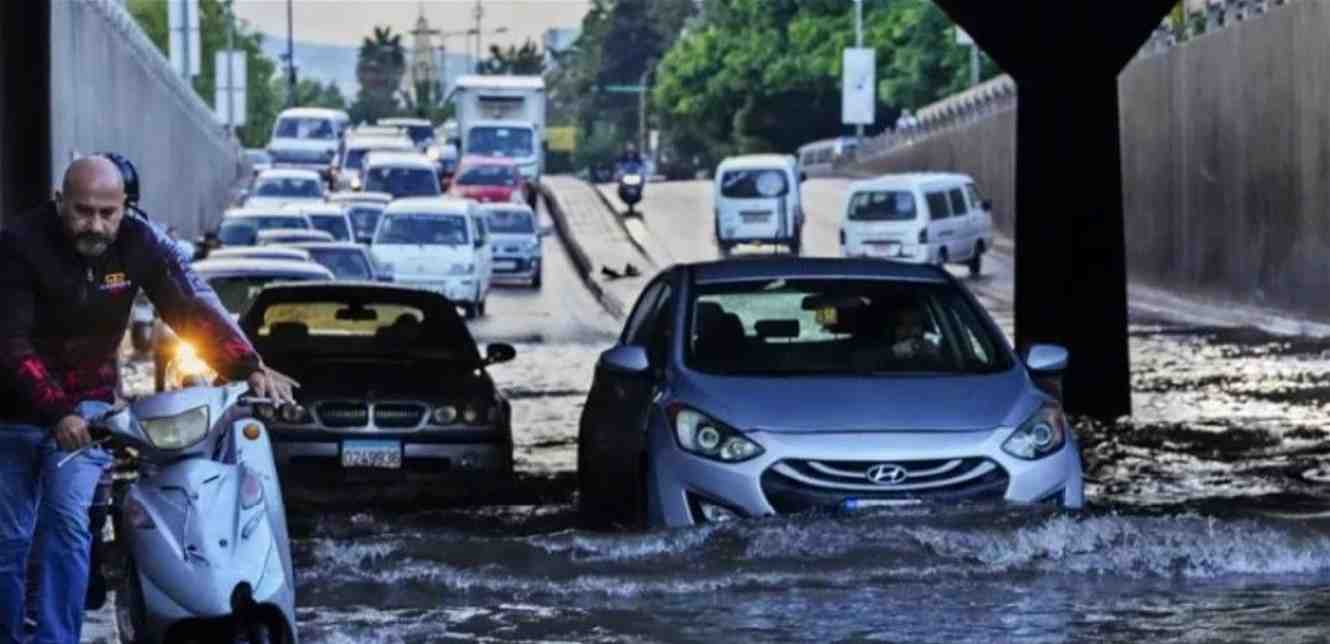
The same analysis found that crashes involving a vehicle and motorcycle represented 34.9% of recorded cases, while vehicle-pedestrian crashes accounted for 10.7%. It also associated higher winter crash concentrations with weather, deteriorated road conditions and heavier traffic around schools and universities.
These findings show why road safety cannot be separated from infrastructure investment and urban planning.
When Safe Mobility Becomes a Privilege
Weak public transport is another part of the problem. The World Bank has described public transport in Greater Beirut as unreliable, unsafe, inaccessible and highly fragmented. It has also noted that inadequate investment has left many people dependent on private vehicles despite the high cost of owning and operating them. Poor transport connectivity can restrict access to employment and essential services, particularly for people with lower incomes and those living outside central Beirut.
For young people, this may mean relying on motorcycles, informal transport or unsafe walking routes to reach schools, universities and workplaces. A motorcycle may be less expensive than a car, but riders have little physical protection when roads are poorly maintained or when they collide with larger vehicles.
Pedestrians face similar risks. Sidewalks may be absent, obstructed or disconnected, while safe crossings and traffic-calming measures remain limited. Among children killed in road crashes in Lebanon, almost two out of three deaths reportedly occur while they are walking. Refugee children face twice the risk of dying from a road injury compared with local children, partly because poverty and displacement can place them in dangerous roadside environments.
This makes road safety an equity issue. People with greater financial resources can sometimes reduce their exposure by purchasing safer vehicles, paying for private transport or choosing where they live. Others have little choice but to walk along unsafe roads, use motorcycles or depend on irregular transport.
The consequences are also unequal. A serious injury can interrupt education, remove a young person from employment, create long-term rehabilitation needs and force relatives to become unpaid caregivers. Families already experiencing financial hardship may struggle to cover emergency treatment, rehabilitation, assistive devices and lost income.
What Would a Youth-Centered Response Look Like?
A youth-centered response would protect young people throughout their daily journeys, not simply asking them to behave more carefully within an unsafe transport system. In Lebanon, this could begin by involving young people in identifying dangerous routes around schools, universities, workplaces and public transport stops. Their findings could inform practical improvements such as continuous sidewalks, visible crossings, better lighting and safer junctions. Stronger helmet and licensing enforcement, affordable public transport and better age-disaggregated crash data would also be essential.
Comparable countries offer useful models. In Dar es Salaam, Tanzania, the School Area Road Safety Assessments and Improvements programme combined school-zone assessments with measures such as sidewalks, crossings, speed humps and pedestrian barriers. An evaluation covering 18 schools and more than 13,000 children found a 26% reduction in road-traffic injuries at participating schools. The program demonstrates that education is more effective when accompanied by changes to the physical environment.
For Lebanon, the lesson is that youth participation should lead to visible changes: safer streets, stronger enforcement and better transport choices. Young people should be treated not only as a high-risk group, but as partners whose daily experience can help identify where the transport system is failing.