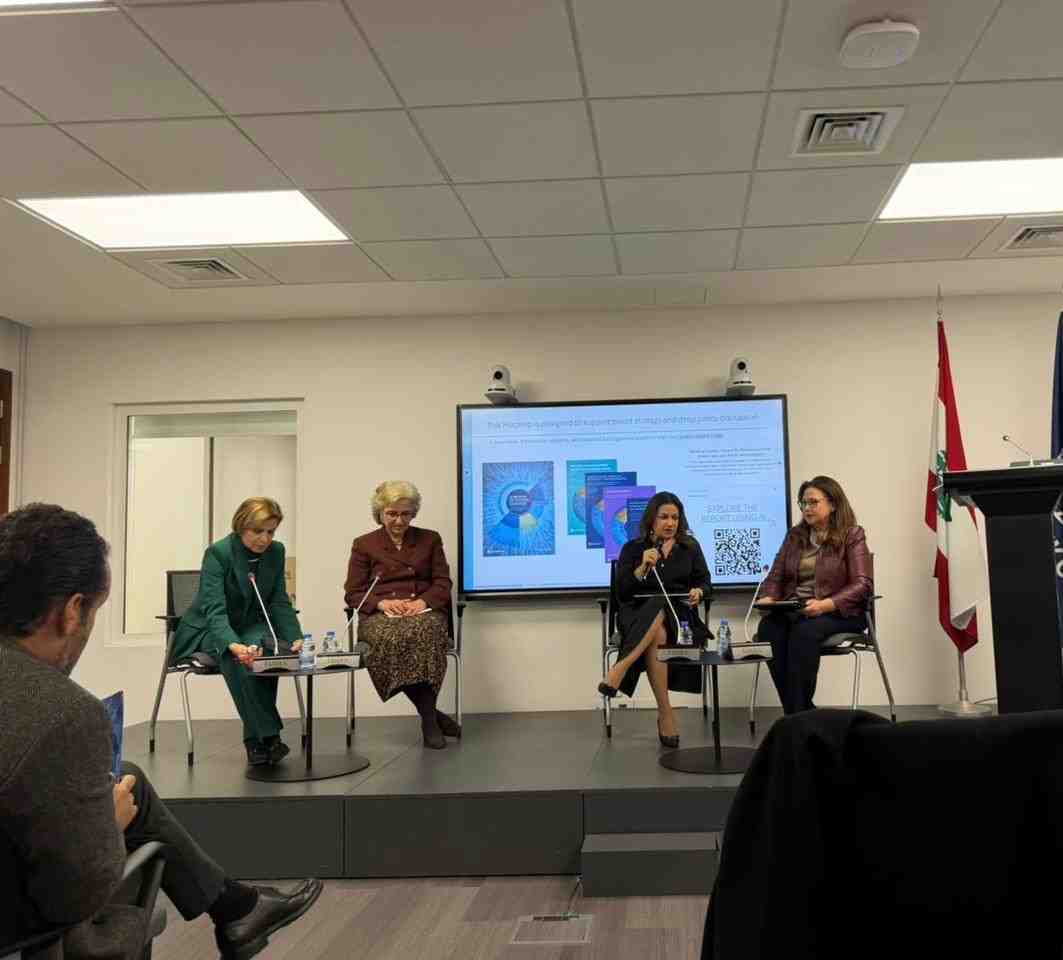






WORLD — Healthcare systems worldwide are under growing pressure as populations age, chronic diseases increase and demand for specialized care outpaces the supply of health professionals.
At the same time, developing countries face a major jobs challenge, with 1.2 billion young people expected to enter the working-age population over the next 10 to 15 years, while current trends point to the creation of only around 400 million jobs.
The World Bank Group says healthcare and digital technologies can help address both challenges by expanding access to essential services while creating new employment opportunities.
The World Bank Group has committed to helping 1.5 billion people access quality, affordable health services by 2030. More than 575 million people have already been reached, according to the institution.
Digital health technologies, the World Bank says, can extend healthcare services to underserved communities, provided they are properly designed, responsibly governed and integrated into broader health-system reforms. They can also create jobs ranging from highly skilled positions to entry-level roles.
Saudi Arabia’s Virtual Hospital Model
Saudi Arabia’s SEHA Virtual Hospital is highlighted as a major example of how digital healthcare can expand access at scale. Launched under the country’s Vision 2030 transformation plan, SEHA combines specialized medical expertise with digital technologies to provide remote healthcare services across the country.
The hospital supports more than 240 hospitals and has the capacity to treat more than 597,000 people annually, making it the world’s largest virtual healthcare provider, according to the World Bank.
Following the earthquakes in Türkiye and Syria, SEHA also supported the Saudi Red Crescent Authority in delivering remote medical services to affected populations.
The World Bank says SEHA demonstrates that digital technology can strengthen patient care through virtual critical care, specialist consultations and home-care services, while also generating employment and supporting more resilient communities.
Digital Health in Crisis Settings
In Yemen, a World Bank-supported Emergency Human Capital Project demonstrates how digital health can support service delivery in fragile and crisis-affected settings.
The project deployed a district health information system across nearly 4,800 health facilities and used third-party monitoring mechanisms. Between 2021 and 2023, it helped reach more than 11 million people, while also strengthening accountability in an environment where government capacity was constrained.
Regional Efforts
The World Bank is also supporting digital health initiatives across the Middle East and North Africa.
In Tunisia, the institution is supporting telemedicine, disease surveillance and stronger health-system governance. In Jordan, it is backing digital-health transformation through electronic medical records, interoperable systems, telemedicine and improved health-data governance.
However, the World Bank stresses that virtual care cannot replace healthcare professionals, strong health systems or patient trust. Digital health must instead form part of broader healthcare reforms, including appropriate legal and regulatory frameworks.
The institution also cautions that digital health models cannot simply be transferred from one country to another. Solutions must be assessed and adapted to each country's healthcare needs, workforce and institutional capacity.
The World Bank says its approach focuses on helping countries build the physical, human and digital infrastructure needed for job creation, establish business-friendly policies and regulations, and mobilize private investment.
As countries seek to expand healthcare access while addressing employment pressures, the World Bank argues that digital technologies can be a powerful enabler—provided they are integrated into national healthcare and jobs strategies.