




LEBANON- Humanitarian aid is generally designed to respond to an immediate crisis: a conflict, a natural disaster, a disease outbreak, or sudden displacement. Yet many emergencies no longer have a clear endpoint. Countries across the globe have faced overlapping economic, political, social and security crises for years.
In these settings, temporary assistance increasingly supports services that people depend on permanently—from healthcare and education to water provision and cash assistance.
This raises an important question: can humanitarian aid continue meeting urgent needs while also strengthening the public systems responsible for meeting those needs in the long term?
A Temporary System Responding to Prolonged Crises
Humanitarian assistance is under growing pressure. Needs are rising while available funding is declining. Reported global humanitarian funding fell by approximately 20% in 2025, while funding reaching local and national actors declined even more sharply. At the same time, prolonged emergencies now dominate humanitarian appeals.
In 2024, protracted crises accounted for 91% of funding requested through inter-agency appeals, compared with 29% in 2014, according to Development Initiatives.
The result is a contradiction: short-term grants are being used to sustain services required for years. Organizations may repeatedly renew the same activities, recruit staff on temporary contracts and establish separate systems for identifying beneficiaries, distributing assistance and managing complaints. These mechanisms can be essential during an emergency, but they rarely provide a sustainable foundation for public services.
The Hidden Cost of Parallel Systems
When public institutions are weak or overstretched, working around them may initially appear faster. Humanitarian organizations can purchase supplies, recruit staff and reach communities without relying on slow administrative procedures. In an acute emergency, this flexibility can save lives.
However, operating parallel services for several years can create additional problems. A WHO-supported review of humanitarian health responses in the Middle East warned that separate humanitarian and government health-governance structures can create power imbalances and weaken coordination.
Similarly, UNHCR guidance on aligning humanitarian cash assistance with national systems notes that complex targeting across multiple programs and ministries can make coordination, data analysis and accountability more difficult.
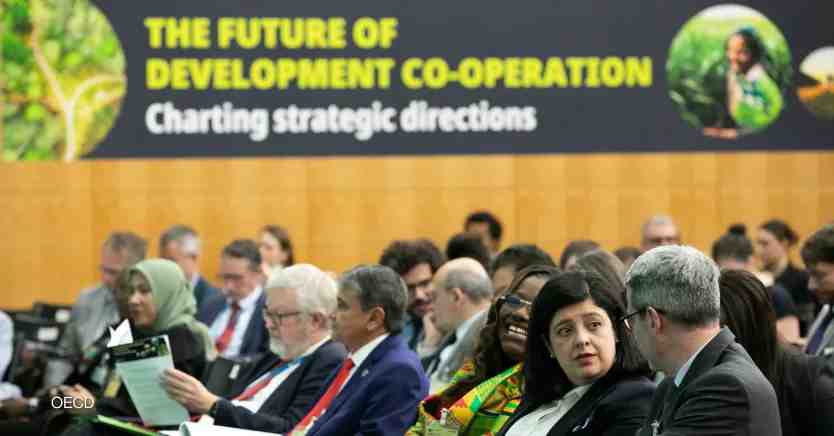
Separate programs may maintain their own beneficiary lists, eligibility rules, payment mechanisms and complaints procedures. This can make assistance more difficult to coordinate and leave governments without a complete picture of who is receiving support. The OECD’s Humanitarian–Development–Peace Nexus framework consequently calls for greater coherence and reduced fragmentation across humanitarian and development interventions.
This does not mean humanitarian aid causes institutional weakness. International assistance frequently prevents fragile services from collapsing. The concern is that externally managed support may maintain access without building the financing, personnel, information systems and institutional responsibility needed to sustain those services once a project ends.
What Would System-Strengthening Mean?
Strengthening public systems does not simply mean transferring humanitarian budgets to central governments. Where institutions face corruption, political interference or limited capacity, unconditional transfers may create further risks. The OECD’s Nexus Recommendation instead calls for context-sensitive support to national and local capacity, stronger accountability and predictable, flexible, multi-year financing.
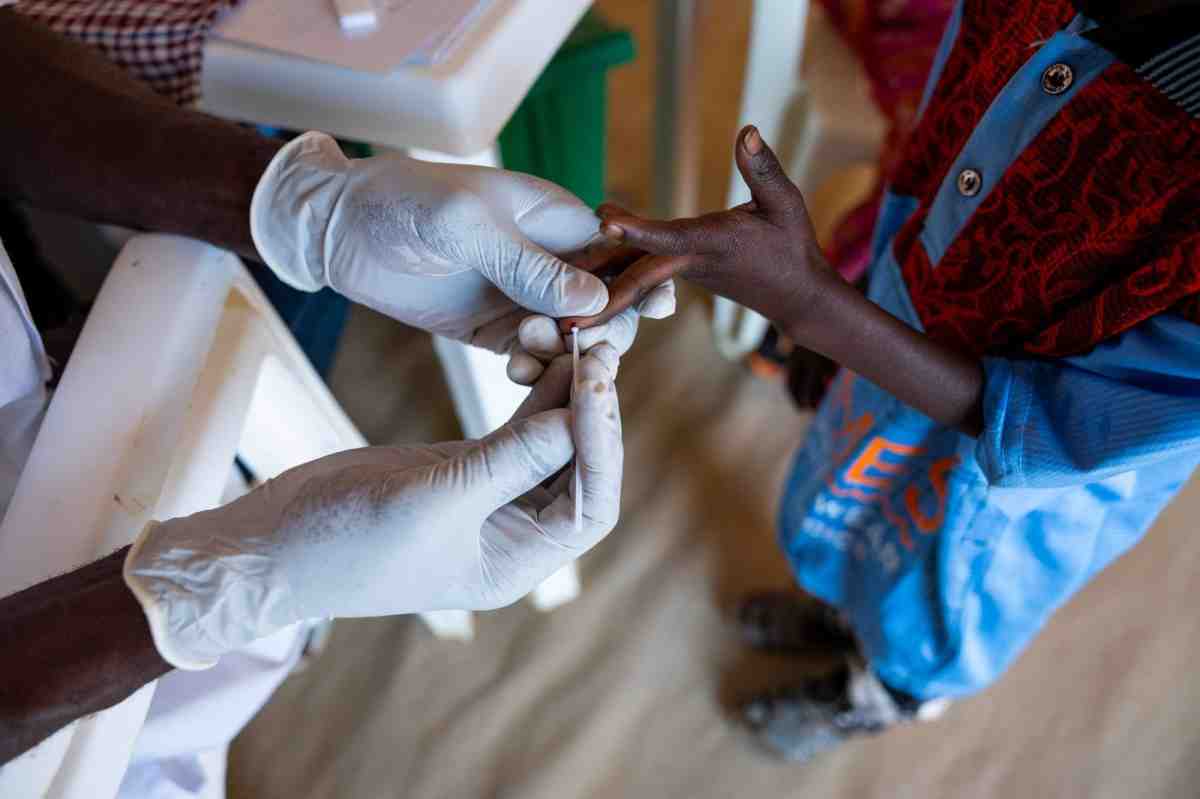
Aid can therefore strengthen particular public functions without handing full control of a program to the state. A health intervention might reinforce primary healthcare centers, establish shared information systems or train staff who can eventually be integrated into the public workforce.
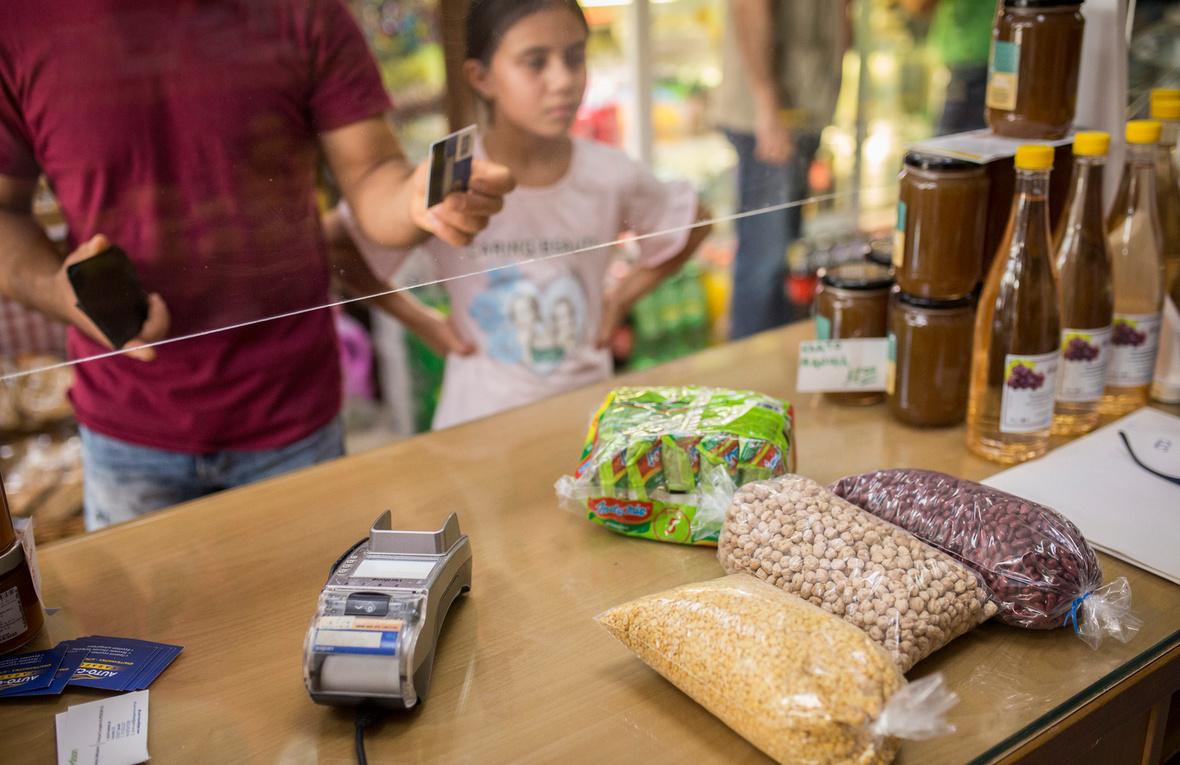
Cash assistance might contribute to a unified social registry rather than creating a new list for each emergency. According to the World Bank, effective shock-responsive protection requires strong registries alongside reliable enrolment, delivery and payment systems.
System-strengthening should also be understood as a gradual process. UNHCR recommends progressively aligning humanitarian assistance with national programs where conditions allow, while continuing complementary support where governments cannot fully meet displaced people’s needs.
This is particularly important in Lebanon, where refugees and other non-citizens could be excluded if national systems are strengthened without explicit protection measures.
The objective is to ensure that each major intervention leaves behind something usable: trained staff, better procedures, functioning infrastructure, reliable data or stronger public accountability. Independent audits, transparent procurement and safeguards for refugees, migrants and marginalized communities would remain essential.
Why These Matters for Lebanon
Lebanon illustrates both the importance and the limitations of humanitarian assistance. The Lebanon Response Plan 2026 estimates that 2.99 million people need assistance and seeks US$1.62 billion to reach 1.5 million people. International support already operates through parts of the country’s public infrastructure.
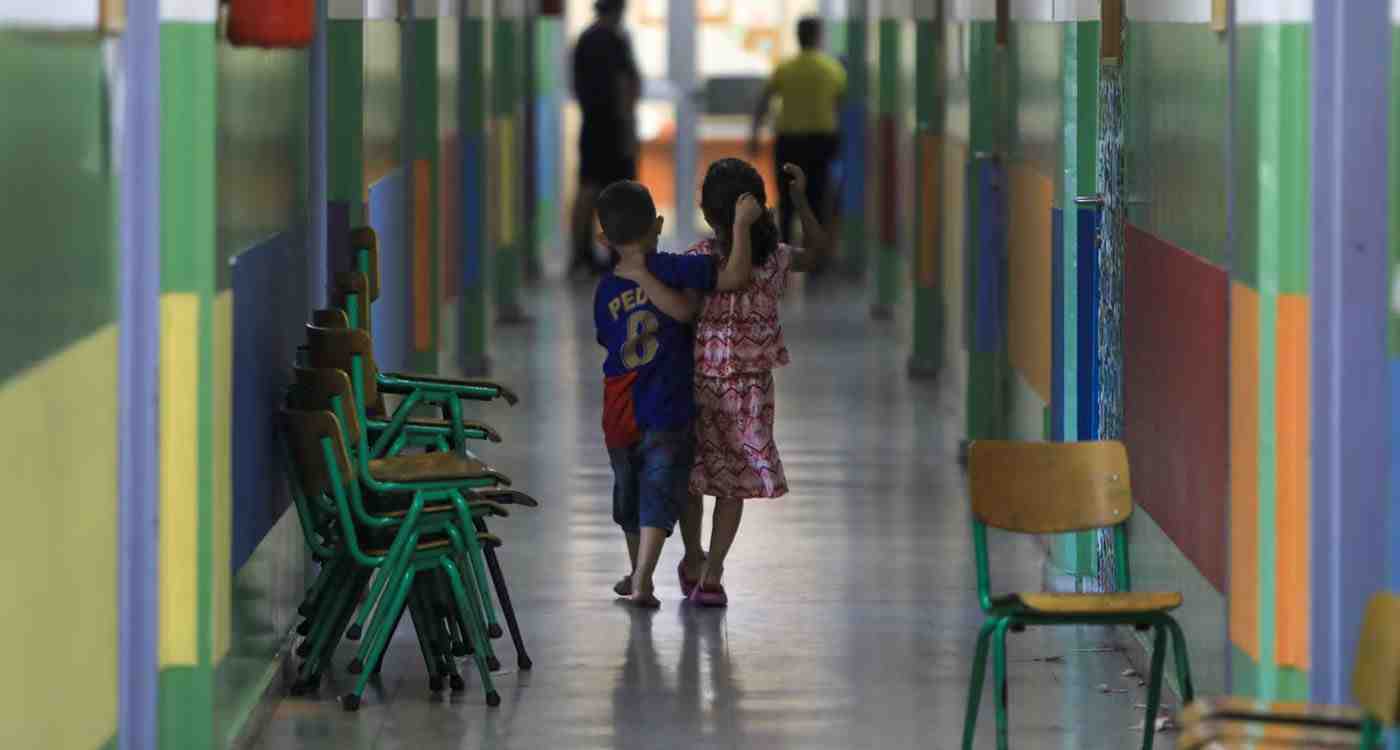
In 2025, UNICEF-supported interventions helped more than 600,000 people access primary healthcare centres, enabled over 154,000 children to enter formal public education and improved water access for 4.5 million people.
These interventions demonstrate that humanitarian aid is not entirely replacing the state. It is often helping public schools, clinics, water institutions and municipalities continue operating. Nevertheless, much of their capacity remains tied to external funding. If assistance stops suddenly, the services it provides may also weaken.
The question for Lebanon is therefore not whether humanitarian organizations should withdraw. It is whether their investments can progressively strengthen institutions capable of providing more consistent and equitable services.
Lebanon Has Foundations to Build On
Lebanon is not starting from scratch. The consolidation of cash-assistance programs under AMAN, the development of the DAEM social registry and the adoption of the National Social Protection Strategy offer potential foundations for a more coherent national system. However, these initiatives still rely heavily on international partners and should be viewed as transition platforms rather than completed reforms.
From Repeated Relief to Lasting Capacity
A gradual shift would require donors to offer more predictable, multi-year financing and require programs to identify the permanent public function they will strengthen. Public institutions can progressively contribute through national budgets, while results and spending remain independently monitored. Municipalities and local organizations could also receive clearer roles and more direct access to resources.
Humanitarian agencies will still need independent delivery channels when public authorities cannot provide impartial or timely assistance. Strengthening systems should never come at the cost of excluding refugees or marginalized communities.
Humanitarian aid cannot solve Lebanon’s institutional and fiscal crises on its own. It can, however, choose whether each funding cycle leaves behind another temporary project or a stronger foundation for the next emergency. The aim should not simply be to move assistance “through government,” but to build services that are publicly accountable, nationally sustainable and capable of continuing after international funding declines.