







MIDDLE EAST - The Kanz AI Training Hackathon, a free eight-day online artificial intelligence training program, attracted 51,693 registrants from 170 countries, produced 4,450 AI projects and issued 24,496 certificates, according to organizers.
The program was held from July 15 to 22, 2026, in partnership with Lebanon’s Ministry of State for Technology and Artificial Intelligence (MITAI) through its national NUMŪ program, alongside Saudi Arabia’s Ministry of Human Resources and Social Development.
Guinness World Record Set in Riyadh
Kanz and Saudi Arabia’s Ministry of Human Resources and Social Development were recognized by Guinness World Records for achieving the largest number of users in a single AI video lesson, with 14,075 participants.
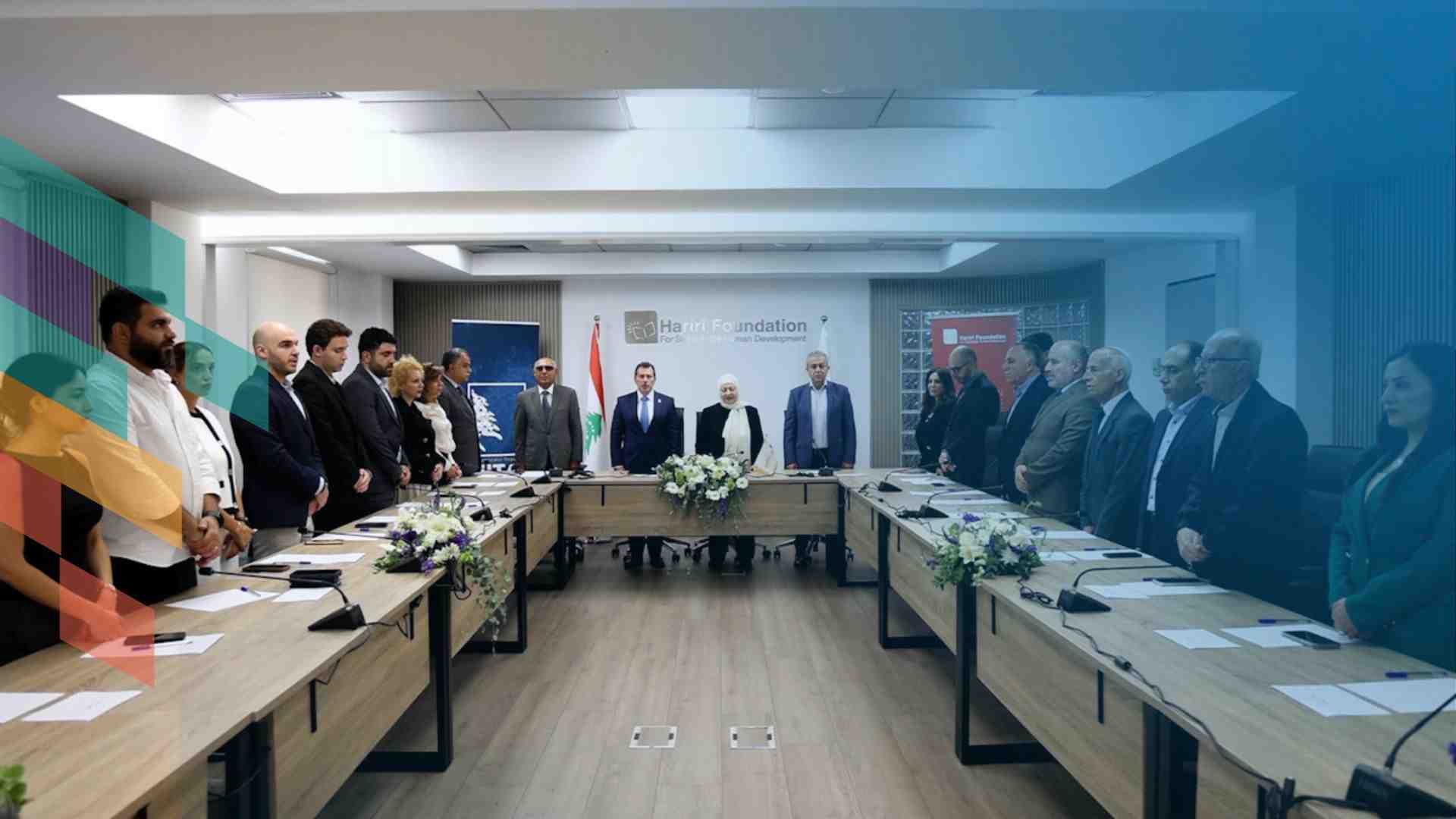
The record was set in Riyadh on July 15 during the opening session of the hackathon. Guinness World Records adjudicator Raafat Tawfik confirmed the achievement during the program’s closing ceremony on July 22, after reviewing the submitted evidence.
The eight-day training program provided practical instruction in Arabic and English. A total of 24,816 people participated in at least one documented live session.
Thousands of AI Projects Developed
Beyond participation figures, organizers highlighted the number of practical products developed during the program. Participants submitted 4,450 AI projects, of which 3,428 have so far been published as functioning digital products, each with its own web address and publicly accessible for testing.
Projects were assessed using Kanz’s AI agents against published evaluation criteria, while the 20 highest-ranked projects were showcased during the closing ceremony.
“Kanz” founder and CEO Roy Baladi said the record was significant, but argued that the practical applications created by participants were a more important outcome.
“The record is good, but the applications are better,” Baladi said, adding that thousands of working products were now available after being developed by participants with little or no technical background.
The program focused on demonstrating AI skills through practical work rather than attendance alone. Participants learned to build applications, AI agents, automated workflows, research tools, and audio and video products using natural-language and no-code tools.
Saudi Arabia Leads Participation
Saudi Arabia recorded the largest national participation, with more than 19,000 registrants, over 9,100 live learners and more than 1,900 submitted projects.
Saudi Arabia’s Ministry of Human Resources and Social Development also shares the Guinness World Records title and participated in certifying program participants.
Deputy Minister for Skills and Training Dr. Ahmed Al-Zahrani encouraged participants to continue developing AI skills and creating solutions that contribute to society and the economy.
Certificates and Participant Feedback
The program issued 24,496 certificates, including 21,191 participation certificates for learners who attended at least one live session and 3,305 completion certificates for participants who successfully published a project.
Certificates were jointly signed by Saudi Arabia’s Ministry of Human Resources and Social Development and the Continuing Education Academy at Lebanese American University (LAU).
In a final survey of 5,310 participants, 96% said they would recommend the program, while 92% reported greater confidence in using AI. In a separate employment-focused survey, 1,437 of 2,079 respondents said they would recommend Kanz graduates to employers.
The initiative brought together government, academic, community and technology partners from Lebanon and Saudi Arabia, as well as international technology companies. Participants used platforms and tools including Replit, Google, Anthropic, ElevenLabs, Magnific, Suno, n8n and HUMAIN.