






LEBANON - Lebanon’s economy is projected to contract by 6.4% in 2026 after renewed conflict reversed the fragile stabilization and recovery momentum recorded last year, according to the latest World Bank Lebanon Economic Monitor (LEM).
The Summer 2026 report, titled “A Conflict-Torn Economy,” said the renewed escalation has compounded Lebanon’s humanitarian and economic challenges, while stressing that progress on structural reforms remains critical to restoring confidence, reviving growth and supporting reconstruction.
Recovery Momentum Reversed
Lebanon entered 2026 on stronger footing after real GDP expanded by an estimated 4.2% in 2025, marking the fastest growth since the 2019 financial crisis and exceeding earlier World Bank projections.
The 2025 rebound was supported by stronger consumption and investment, a recovery in tourism and improvements in several high-frequency economic indicators.
However, the recovery was sharply interrupted by the escalation of conflict in March 2026. The renewed violence damaged housing and infrastructure, displaced communities, disrupted supply chains and weighed on tourism and domestic demand.
“Lebanon’s fragile recovery has been sharply set back by the renewed conflict, adding to an already severe social and economic crisis,” said Dahlia Khalifa, World Bank Group Middle East Director.
She said advancing reforms, particularly in banking sector restructuring and fiscal management, would be critical to restoring confidence, protecting stability and mobilizing financing for reconstruction and recovery.
Fiscal Pressures Mount
Public finances remained relatively strong during the first half of 2026, building on improvements recorded in 2025.
The government posted an overall fiscal surplus equivalent to 3.9% of GDP in 2025, supported by stronger tax compliance and increased customs and value-added tax collection.
The World Bank, however, expects fiscal pressures to intensify during the remainder of 2026. Rising humanitarian and reconstruction costs linked to the conflict, demands for higher public-sector wages and slower revenue growth are expected to weigh on government finances.
Public debt remains unsustainable, while negotiations on debt restructuring have yet to begin, according to the report.
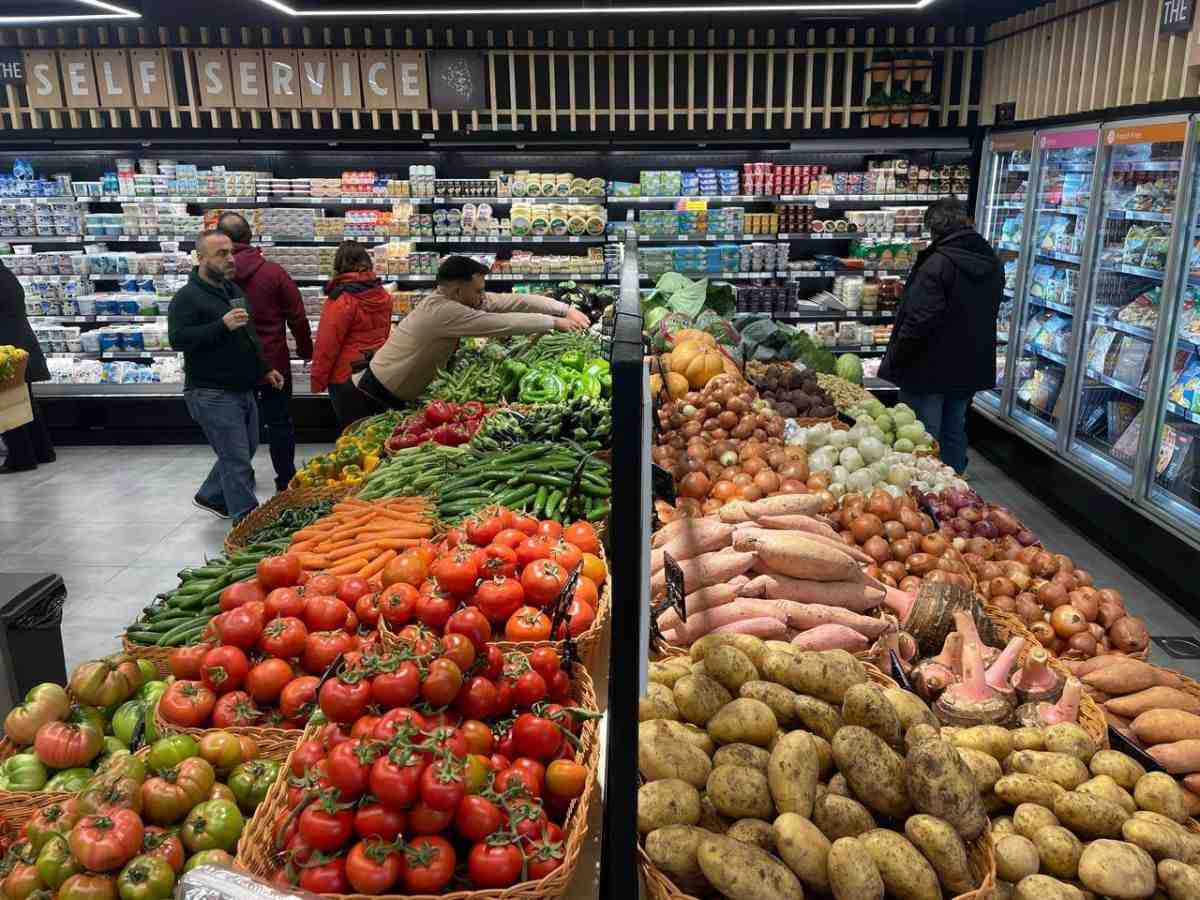
Inflation is projected to rise to 17.5% in 2026, driven by supply disruptions, higher shipping costs and increased oil prices. The continued rise in prices is expected to further erode household purchasing power.
Currency and Banking Sector Risks
Lebanon’s exchange rate has remained stable, supported by the use of foreign exchange reserves and tighter liquidity in Lebanese pounds.
The World Bank warned, however, that the currency could face renewed pressure if foreign inflows weaken or conflict-related shocks persist.
The banking sector also remains severely weakened despite progress on parts of the restructuring agenda, leaving financial-sector reform among the key priorities for economic recovery.
The World Bank emphasized that reforms are necessary not only to address longstanding structural weaknesses but also to restore confidence and help mobilize the financing required for reconstruction.
Conflict Could Weigh on Long-Term Growth
A special focus section of the LEM examines the economic impact of the 2026 conflict, particularly through its effects on tourism revenues and private consumption.
The report estimates that GDP growth would be 10.4 percentage points lower than it would have been under a scenario without the conflict.
Beyond the immediate economic losses, the World Bank warned that the effects of the conflict could persist for years.
Prolonged displacement, destruction of physical capital and disruptions to education and healthcare could weaken Lebanon’s productive capacity. The potential departure of skilled workers could further reduce the country’s human capital and constrain medium-term growth.
The findings underscore the scale of the challenge facing Lebanon as it seeks to rebuild after years of economic and financial crisis. The World Bank said sustained reform efforts, alongside reconstruction and stronger economic management, will be essential to restoring growth and creating the conditions for a durable recovery.