






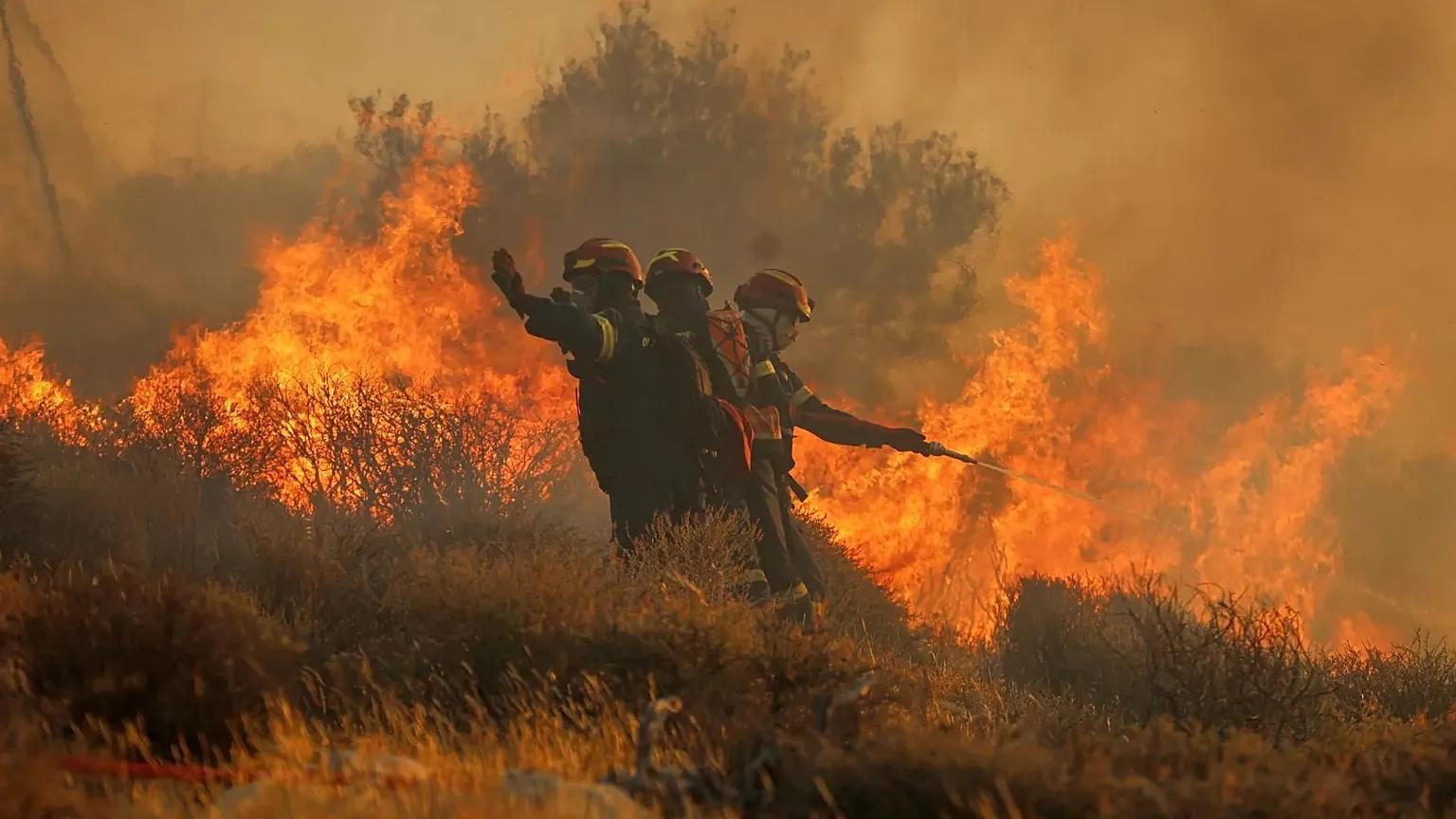
WORLD - By 20 August 2026, 619,613 hectares had already burned across the European Union. That is more than twice the 20-year average of around 280,000 hectares recorded by this point in the year.
Europe is only part of the picture. Across the Atlantic, the United States had recorded 49,608 wildfires covering more than 7.5 million acres by mid-August. At the same point in 2025, around 4 million acres had burned. The 2026 total is already 169% of the US 10-year average for area burned.
Canada, meanwhile, had recorded 4,793 fires and 4.1 million hectares burned by August 18, with 582 fires still active and more than 10,000 people under evacuation orders.
These numbers differ from one country to another, but they point to the same reality: fires are becoming a major test for forests, communities and emergency services. And the damage does not stop once the flames are extinguished.
Lebanon: More Than 2,000 Fires Before August
Lebanon is facing its own difficult fire season.
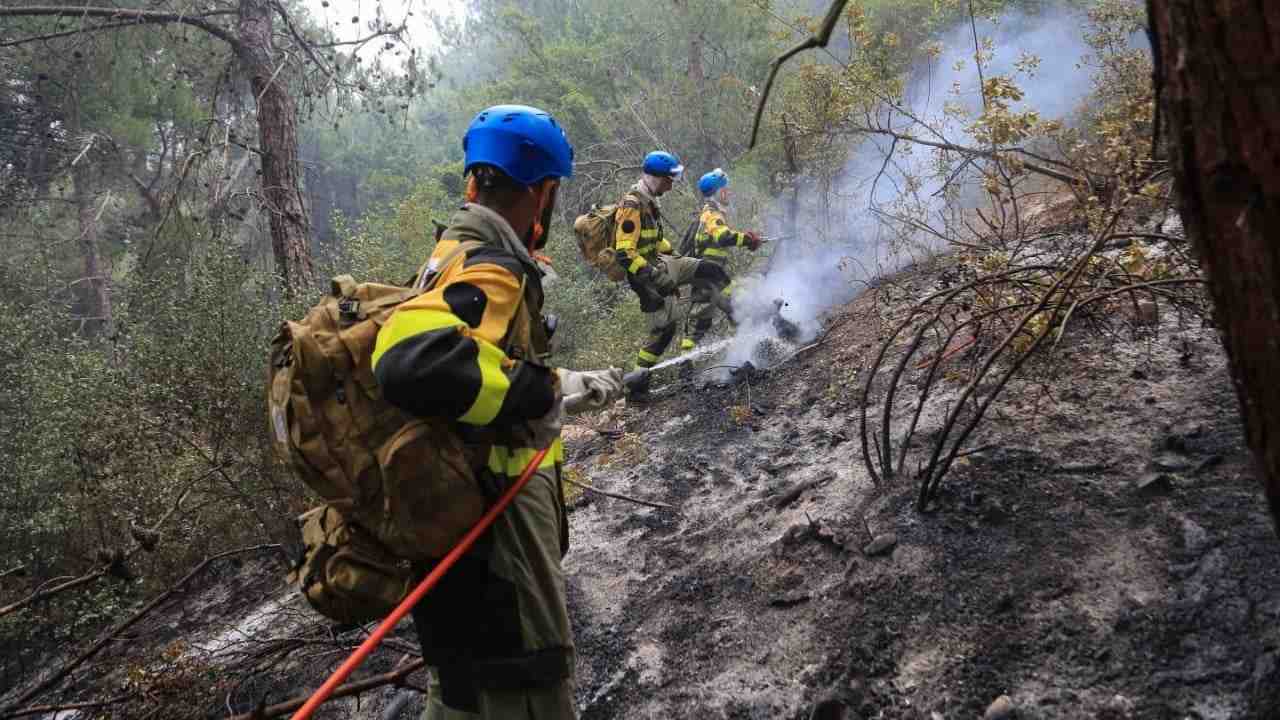
By 1 August, Civil Defense had already recorded 2,097 fires and fire outbreaks outside buildings in 2026. On one day alone in late July, firefighters responded to more than 140 fire outbreaks, mainly in wooded areas.
The figure becomes more significant when compared with previous years. Lebanon recorded 3,412 incidents during all of 2025, 6,412 in 2024 and 4,276 in 2023. Most fires occur between June and November, meaning the 2026 figure was recorded while much of the country's fire season was still ahead.
Civil Defense also reports that the vast majority of fires are linked to human activity, whether deliberate or the result of negligence. Heat does not necessarily ignite a forest by itself, but high temperatures, dry vegetation and wind can turn a small fire into a much larger one.
In South Lebanon, there is an additional factor: conflict. According to Lebanon's National Council for Scientific Research, around 1,914 hectares have burned since 2 March 2026 in fires triggered by Israeli attacks. This comes on top of 8,556 hectares burned during the 2023–2024 conflict and around 160 hectares during the 2024–2026 ceasefire-violation period.
The Cost Beyond the Flames
The number of hectares burned tells us how large a fire was. It does not tell us everything that disappeared with it.
When vegetation is destroyed, soil is left exposed to wind and rain. Ash, sediment and pollutants can then reach rivers and groundwater. A review by the US Environmental Protection Agency found that after wildfires, levels of some nutrients, metals and chemicals in water can increase by between 10 and 1,000 times compared with unburned areas. In some cases, effects on water and ecosystems can continue for five years or longer.
There is also the loss of biodiversity, carbon-storing vegetation and agricultural land. In Lebanon, a burned area may include olive groves, orchards or grazing land that families depend on for their livelihoods. Mature trees cannot simply be replaced the following season.
Then comes the financial cost.
In Europe, estimates published in early August put the economic impact of major 2026 wildfires in France, Spain and Greece at between €15.6 billion and €19.1 billion. This includes damage to property and infrastructure, firefighting, debris removal and expected insurance claims.
Lebanon does not yet have a reliable estimate for the economic cost of 2026 fires alone. But previous assessments show how expensive forest destruction can become. A Ministry of Agriculture assessment found that around 4,946 hectares of forest damaged during the 2023–2024 conflict resulted in losses exceeding US$25 million. The same assessment estimated that the wider agricultural sector would require around US$263 million for reconstruction and recovery.
These figures are not a price tag for the 2026 fires. But they show why a burned forest is more than an environmental loss. There are costs attached to restoring land, replacing trees, protecting water resources, and supporting farmers whose income disappeared with their crops.
What Comes Next?
Wildfires will remain part of Mediterranean summers, but their scale is not entirely unavoidable.
Civil Defense response remains essential, but prevention begins much earlier: managing dry vegetation, maintaining forest roads and firebreaks, enforcing restrictions on dangerous burning, monitoring high-risk areas and strengthening early-warning systems.
The same is true after a fire. Burned land needs to be monitored and, where necessary, restored before erosion and other damage make recovery even harder.
For Lebanon, the question should therefore go beyond how many fires were extinguished in 2026.
With more than 2,000 incidents already recorded before August was over, and nearly 2,000 hectares burned in the South since March because of conflict-related fires, the more important question is what is being lost each time the land burns: forests, agricultural income, biodiversity and resources that may take years, or even decades, to recover.
The fire may last a day. Its cost can remain for years.