







WORLD - For generations, literacy has been understood in relatively simple terms: the ability to read and write. But in an age of endless notifications, five-second videos, artificial intelligence, and information arriving faster than it can be processed, is that definition still enough?
As the world marks International Literacy Day on September 8, the question is increasingly less about whether people can decode words on a page and more about what they are able to do with those words once they have read them.
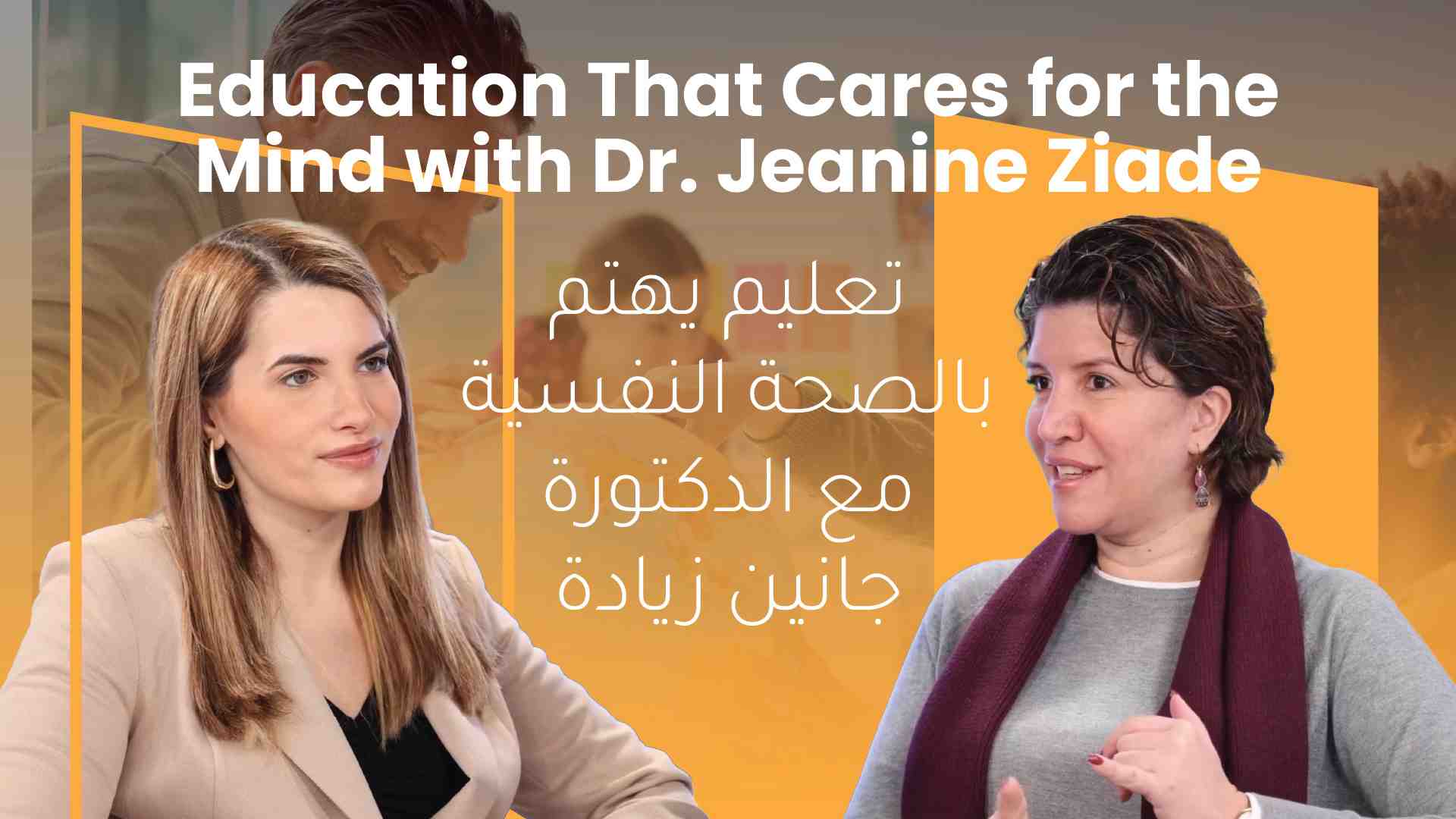
For Dr. Ahmad Oweini, Associate Professor in the Department of Education at Lebanese American University, literacy exists on several levels. Being able to recognize and decode words is only the beginning.
“Reading comprehension is communication,” Dr, Oweini said, explaining that a reader must be able to understand the message an author is trying to convey. That requires more than recognizing vocabulary: it involves interpreting, questioning and connecting information to existing knowledge and experience.
In that sense, literacy can be understood as a spectrum, with basic decoding at one end and deeper interpretation and engagement at the other.
From Reading Words to Understanding Them
The distinction matters because reading itself is changing.
A 2025 article in The Reading Teacher examining reading comprehension in an online world argues that the internet has transformed both how people read and how they acquire knowledge. It points to digital reading skills as increasingly necessary for navigating an online information society.
Another 2025 study, based on data from more than 13,000 participants across 32 countries, found that digital reading becomes considerably more difficult for weaker comprehenders. The research suggests that comprehension and problem-solving skills play an important role in navigating and processing online information.
The implication is significant: having the technical ability to navigate a screen does not necessarily mean having the cognitive skills to understand what is on it.
For Dr. Oweini, the problem is partly rooted in a fundamental shift in how information reaches us.
“We used to try to find information. All information is finding us,” he said.
Instead of deliberately seeking out a book, newspaper, or article, people are increasingly presented with information through feeds, recommendations, notifications, and search results.
But this abundance doesn't necessarily mean we retain or critically analyze the information that reaches us. On the contrary, when bombarded with a constant stream of news, facts, updates, and text messages, the average user finds himself unable to focus on one thing for too long.
The challenge, therefore, may be moving from accessing information to processing it.
The Short-Form Attention Problem
That shift has also changed expectations around attention.
Social media has normalized an environment in which content competes for attention almost instantly. A user can move from one video or headline to another with a swipe, while a book, academic article or complex argument requires sustained concentration.
Dr. Oweini argues that attention is something that must be exercised. If people are no longer accustomed to concentrating for extended periods, he believes their ability to engage with longer and more demanding material can suffer.
“Attention is attention. You just have to exercise it. It's like a muscle,” he said.
Recent research supports the need to take digital reading habits seriously, although it does not establish that short-form content alone causes declining attention.
A 2025 study of digital reading found that digital reading can have both positive and negative effects on reading literacy, with participants who primarily engaged in digital reading showing relative weaknesses in deep reading, autonomous reading motivation and reading ability.
The issue, then, may not be screens versus paper. It may be whether people retain the ability to slow down and read deliberately, regardless of the medium.
When Technology Does the Thinking
Artificial intelligence adds another dimension.
Technology can make information easier to access and tasks easier to complete. But if a tool summarizes, writes, calculates, or searches on our behalf, the user still needs to understand what the technology produces.
Dr. Oweini does not argue for abandoning technology. Instead, he advocates a balance in which technology assists rather than replaces fundamental skills. AI, for example, can be useful for brainstorming or drafting, but the user must still contribute their own thinking and judgment.
He uses the example of a calculator to clarify his point: when you have access to a calculator, it would be counterproductive to solve an elaborate math equation by hand. However, you cannot expect the calculator to do the thinking on your behalf.
That distinction is increasingly reflected in research. A 2026 study on critical GenAI literacy in higher education identified four dimensions of responsible and critical AI use: functional literacy, agency and autonomy, ethical and responsible use, and reflective use. The findings suggest that knowing how to operate AI tools is only one component of broader AI literacy.
So, Are We Becoming Less Literate?
Perhaps the question is not whether people are becoming “illiterate” in the traditional sense.
UNESCO estimates that at least 739 million young people and adults worldwide still lack basic literacy skills, while four in 10 children do not reach minimum proficiency in reading. Traditional literacy therefore remains an urgent global challenge.
But alongside that challenge is a different question: What happens when someone can read, but cannot effectively interpret what they are reading?
What happens when information is abundant but the ability to evaluate it is limited? When someone can produce a polished essay using AI but struggles to construct an argument independently? Or when a person consumes hundreds of headlines and videos but rarely stops to investigate whether the information is accurate?
These are not necessarily examples of illiteracy. They point instead to an expanded definition of literacy.
A Broader Definition of Literacy
Dr. Oweini believes the culture of reading must remain central, regardless of whether people read on paper or on a screen. He emphasizes that this issue is relatively stark when it comes to the Arabic language.
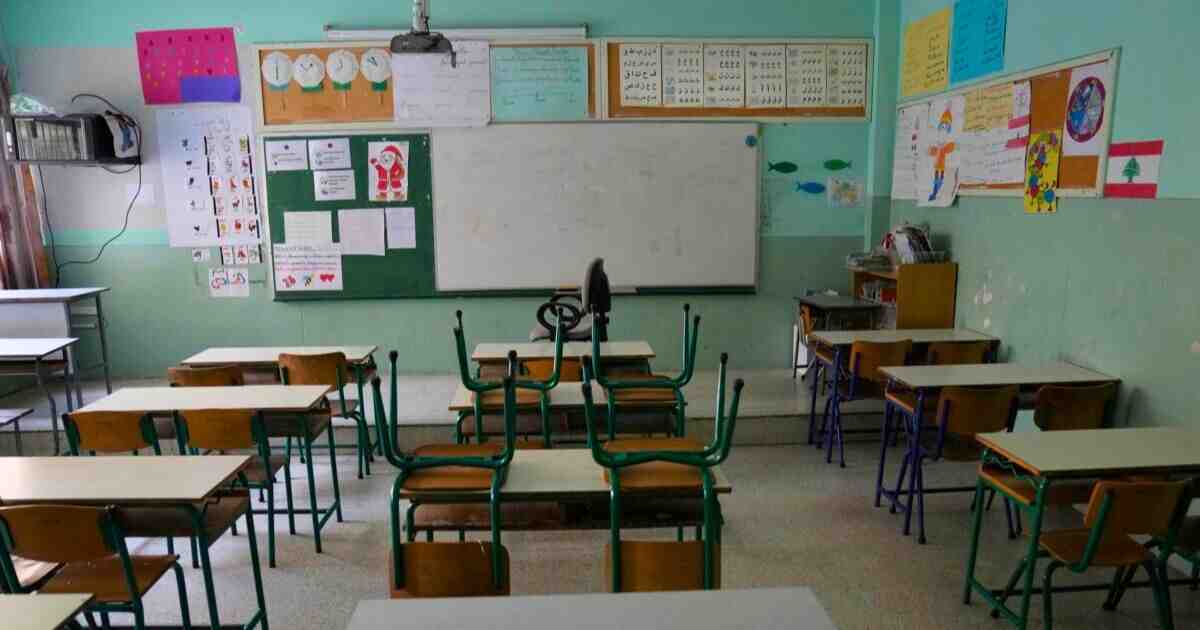
He explains that students nowadays find it increasingly difficult to read or write in Arabic, and this necessitates a new approach to how we teach Arabic in academic institutions.
“The culture of reading should never be discarded,” he said.
The challenge is therefore not to reject technology, but to preserve the cognitive skills that technology cannot replace: concentration, comprehension, interpretation, judgment and independent thought.
That may be the more relevant literacy question for 2026.
Being literate can still mean knowing how to read and write. But increasingly, it may also mean knowing how to understand what we read, question what we are told, evaluate what we encounter and think beyond the information immediately placed in front of us.
On International Literacy Day, the question is no longer simply whether we can read.
It is whether, in an age when information is constantly finding us, we still know how to think through it.