




AMERICA - As the United Nations enters the final years of the 2030 Agenda, the gap between the Sustainable Development Goals’ ambitions and the pace of global progress is becoming increasingly clear.
The latest UN assessment found that, among the 139 SDG targets with available trend data, only 36% are on track or making moderate progress. Nearly half, or 49%, are moving too slowly, while 15% have regressed compared with their 2015 baseline.
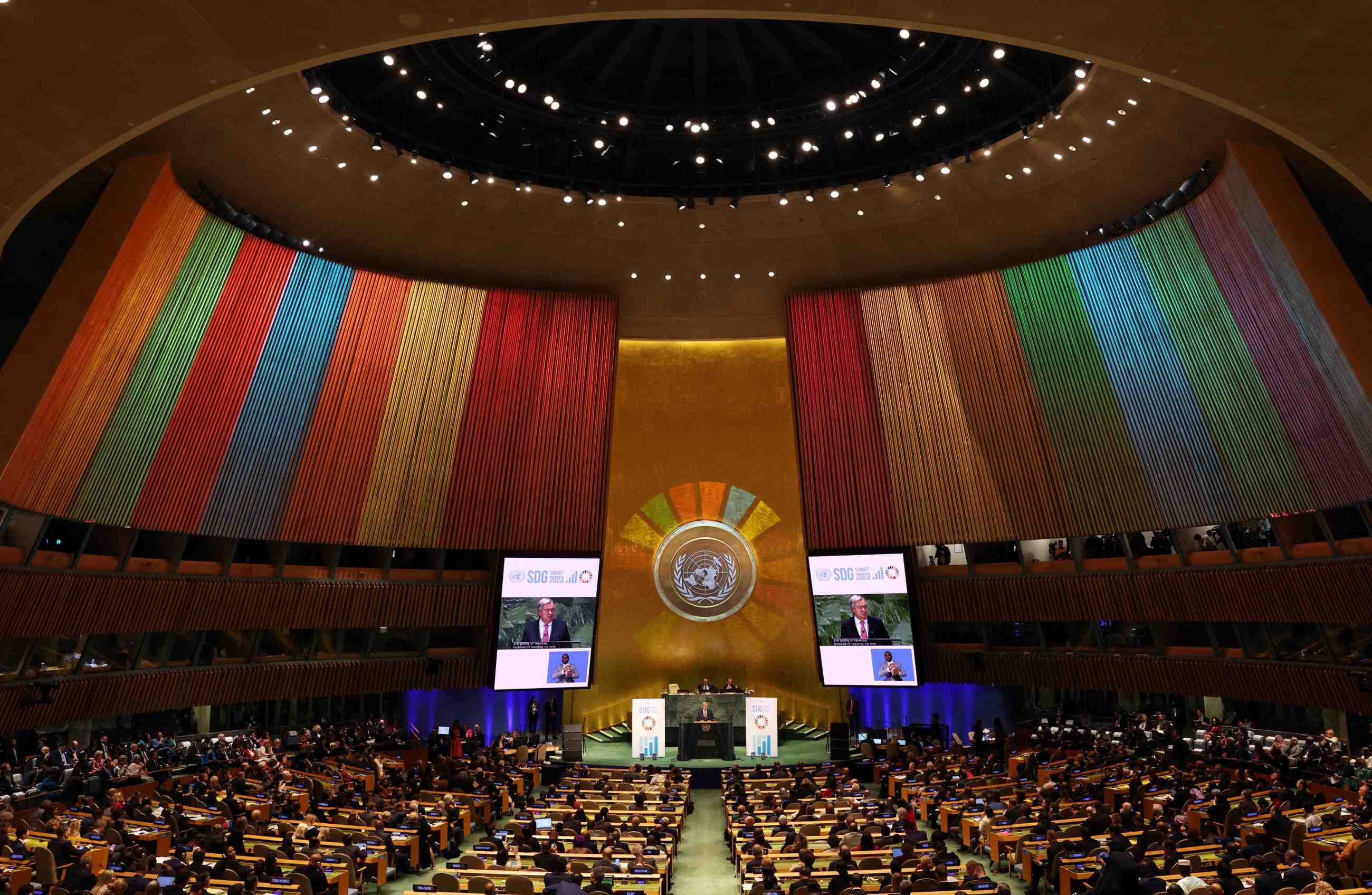
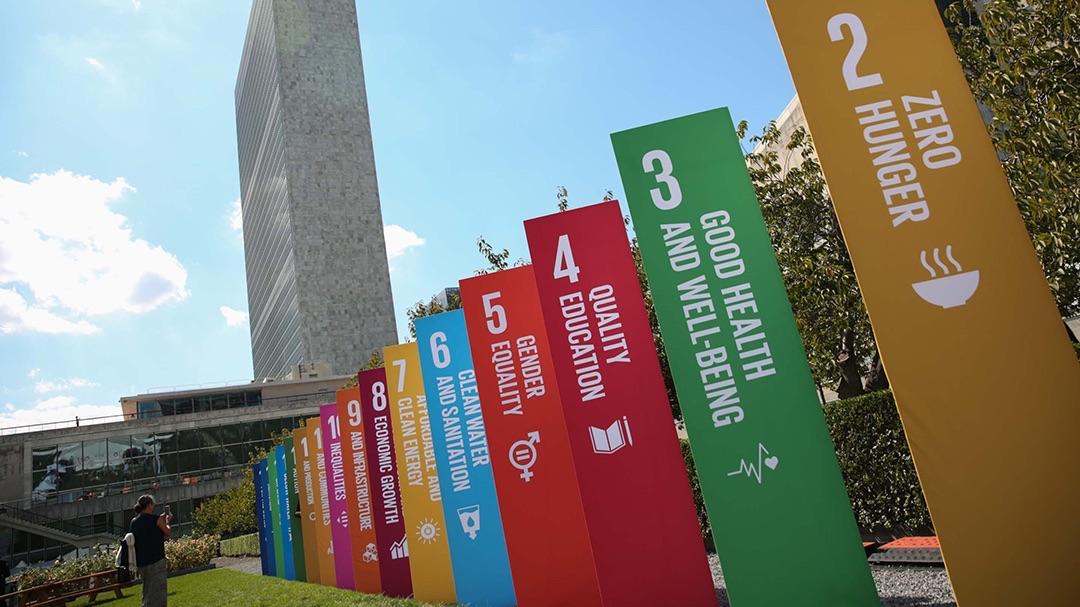
The findings provide context for discussions on the Sustainable Development Goals during the 81st session of the UN General Assembly. The 17 Goals, adopted by all UN Member States in 2015 as part of the 2030 Agenda, cover areas including poverty, hunger, health, education, gender equality, clean energy, climate action and international partnerships.
Where Progress is Being Made
The latest report also points to areas where progress has been made. Its findings track developments across the Goals, including improvements in access to basic services and advances in areas such as health, education, energy and digital connectivity. At the same time, the UN assessment stresses that progress remains uneven and insufficient to meet the 2030 targets at the current pace.
That uneven progress leaves countries facing a narrower window to accelerate implementation.
The SDG framework was designed not only as a set of global targets, but as a shared framework for national action. Each year, the UN Secretary-General's SDG Progress Report assesses progress using data from national statistical systems and other sources within the global indicator framework.
The 2026 assessment therefore measures where the world stands roughly a decade after the Goals were adopted and only a few years before their 2030 deadline.
For developing countries in particular, progress on the SDGs is closely connected to the availability of financing, infrastructure, public services and international cooperation. The broader UN development system continues to emphasize the need to mobilize resources and strengthen partnerships to advance the 2030 Agenda.
The question facing governments at UNGA 81 is consequently less about whether the SDGs remain relevant than about how quickly implementation can be accelerated.
With only four years remaining until 2030, the latest data show that progress is possible, but that existing trajectories will not be sufficient across many of the Goals.
The SDG discussions at UNGA 81 will therefore take place against a clear reality: the world has made progress since 2015, but most measurable SDG targets are not currently moving fast enough.
The remaining challenge is to translate commitments into faster progress before the 2030 deadline arrives.