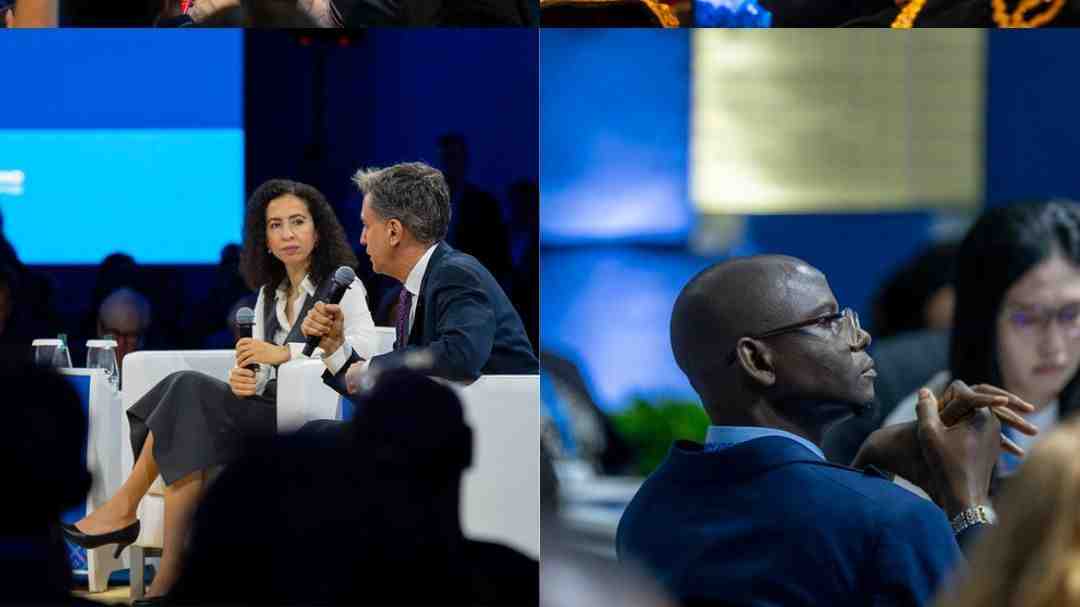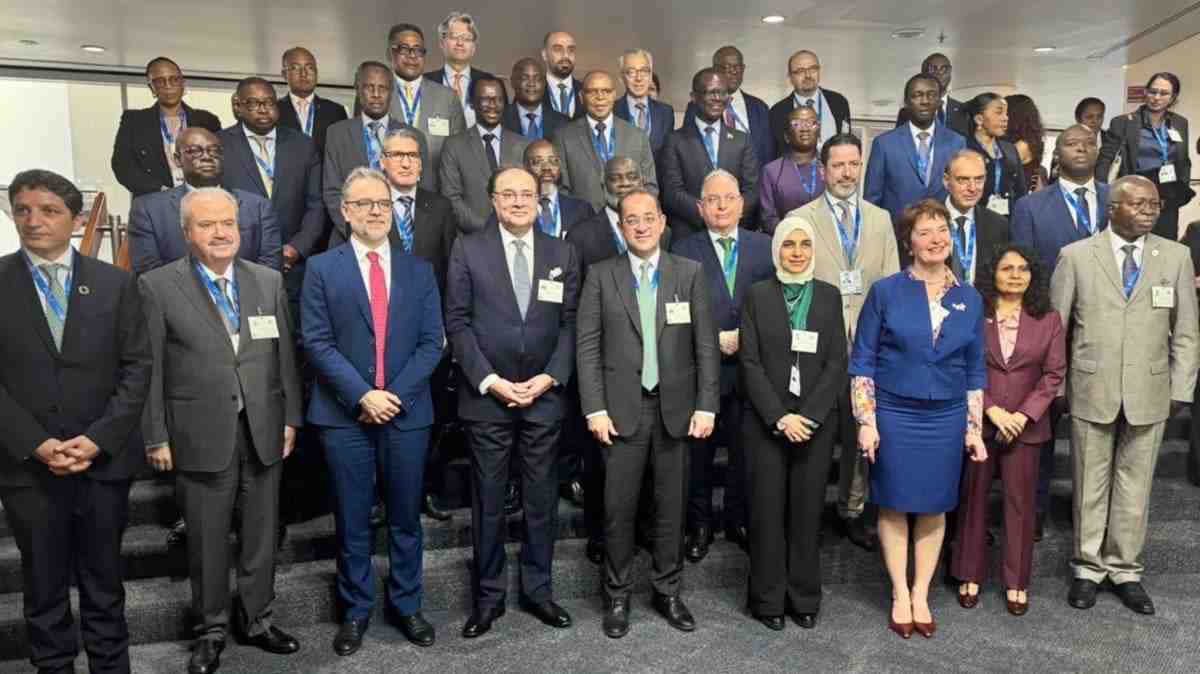
Bangkok – The 2026 Annual Meetings of the World Bank Group and the International Monetary Fund (IMF) concluded in Bangkok, bringing together more than 13,000 participants. Discussions focused on the challenges of job creation, the use of artificial intelligence, financing for small and medium-sized enterprises, and mobilizing private investment to support development.
According to the World Bank Group, approximately 1.2 billion young people in developing countries will reach working age over the next 10 to 15 years, while only around 400 million jobs are expected to be created, potentially leaving a gap of up to 800 million jobs.
During the meetings, World Bank Group President Ajay Banga stressed that job creation is closely linked to human dignity. He highlighted the importance of investing in infrastructure, education, healthcare, and skills development, as well as improving the business environment and expanding private investment.
On the financing front, the Group announced that it had mobilized a record $112 billion in private capital during fiscal year 2026, more than three times the amount mobilized four years earlier. However, private capital mobilized in low-income and fragile countries remained at around $3 billion, highlighting the persistent difficulties these countries face in attracting investment.
The Group also launched a new strategy to support micro, small, and medium-sized enterprises (MSMEs), which employ approximately 75% of workers in developing countries. The strategy aims to improve access to finance, simplify procedures for establishing and expanding businesses, and strengthen their connections to markets and supply chains.
The meetings also addressed the role of small, affordable artificial intelligence applications in improving productivity and tackling local challenges. In addition, the Group announced the launch of a new philanthropy center aimed at connecting donor organizations with development priorities and projects.
The meetings concluded with an emphasis on the central challenge of translating financing, investment, partnerships, and technology into actual jobs, amid the anticipated gap between the number of young people entering the workforce and the jobs expected to be created.