LEBANON — Lebanese Prime Minister Nawaf Salam has called for the development of a modern, reliable public transport network in Lebanon, saying improved services could reduce household expenses, expand access to jobs and education, and support economic recovery.
Speaking at a meeting titled “Towards the Development of Public Transport in Lebanon” at the Grand Serail, PM Salam said the transport crisis reflected decades of neglect of public infrastructure, delayed reforms and insufficient investment in an integrated network.
The meeting was organized by the Ministry of Public Works and Transport in cooperation with the United Nations Development Programme (UNDP), with Public Works and Transport Minister Fayez Rasamny also attending.
Economic and Social Costs
PM Salam said Lebanon’s public transport problems predated the financial collapse, tracing infrastructure damage to the 1975–1990 civil war. Subsequent decades failed to deliver a comprehensive network capable of meeting population needs and accommodating expanding cities, he added.
The financial crisis further increased transportation costs for households, reinforcing dependence on private cars.
Citing a World Bank estimate from approximately a decade ago, PM Salam said the economic cost of the transport crisis exceeded $2 billion annually.
Traffic congestion reduces productivity by wasting working hours, while transportation expenses increase costs for businesses, the movement of goods and consumer prices, he said.
PM Salam also highlighted the impact on household purchasing power, noting that fuel, vehicle maintenance and transport fares leave families with less money for essential expenses, including food, housing, education and healthcare.
High commuting costs can also discourage people from accepting jobs or prevent students from continuing their education, he said.
Plans for an Integrated Network
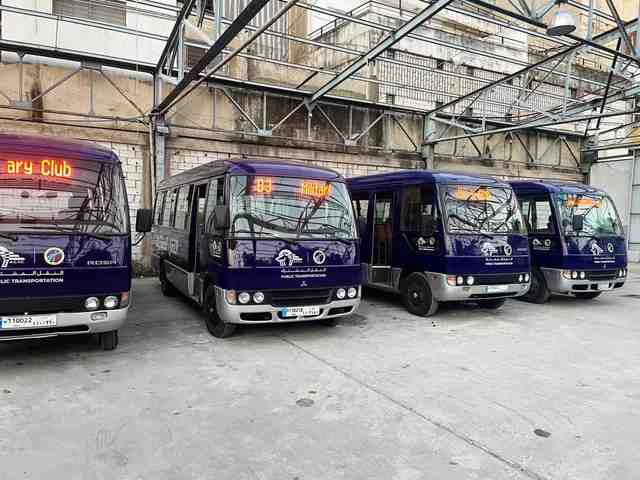
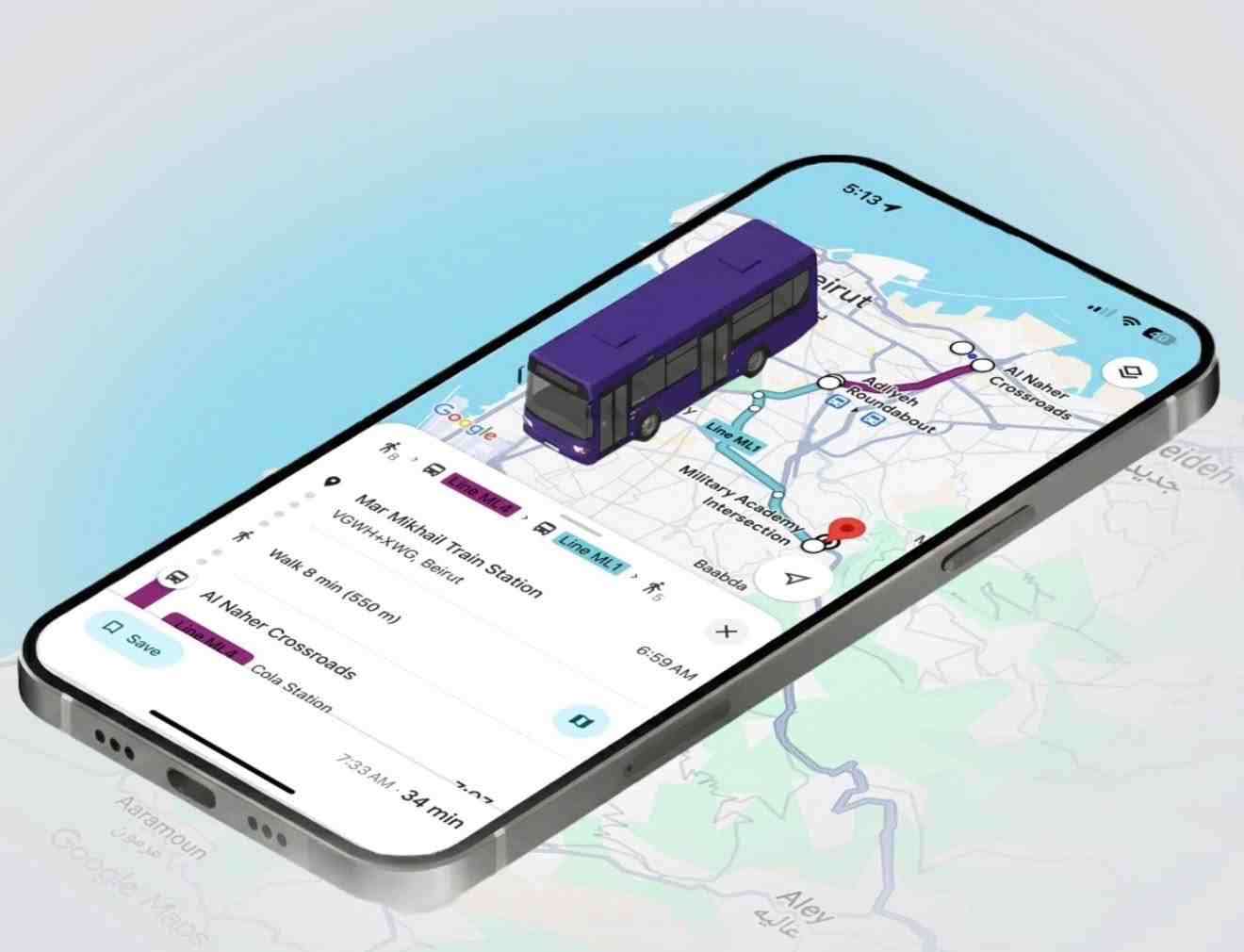
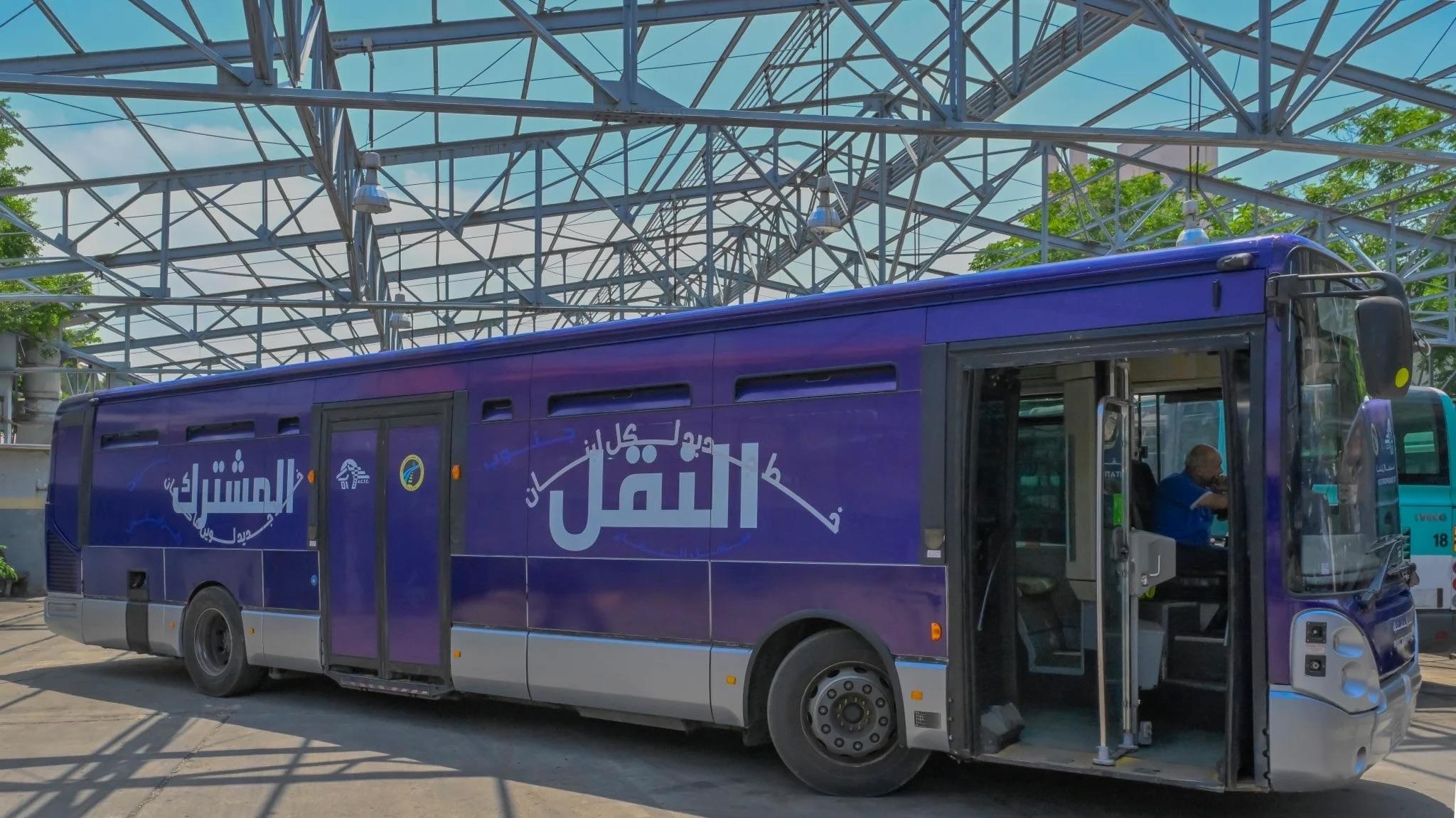
PM Salam said the government had developed a plan for a modern, regular public transport network connecting Lebanon’s regions, linking villages and towns with district and governorate centers, and improving mobility within major cities.
He called for more buses and additional routes between regions and within urban areas and their suburbs, including Beirut, Tripoli, Sidon, Tyre and Zahle.
Intercity bus services should be integrated with routes operating within individual cities to allow passengers to complete their journeys more easily and affordably, he said.
However, PM Salam stressed that expanding the bus fleet alone would not resolve the crisis. The network would also require reliable schedules, clearly defined routes, fair fares, safe stops and regular maintenance.
He added that the plan should accommodate older people and persons with disabilities, ensure passenger safety and introduce dedicated bus lanes or traffic priority where road conditions permit.
Environmental and Public Health Benefits
PM Salam said excessive reliance on private vehicles contributes to fuel consumption, air pollution and noise, particularly when vehicles remain in traffic for extended periods.
He described investment in public transport as an investment in economic productivity, household purchasing power, public health and the environment.
The success of the government's efforts, PM Salam said, should be measured by the time commuters save, the reduction in their transportation expenses and the additional opportunities they can access.
He called for the meeting to mark a practical step toward establishing public transport as a reliable public service accessible to all citizens at an affordable cost.