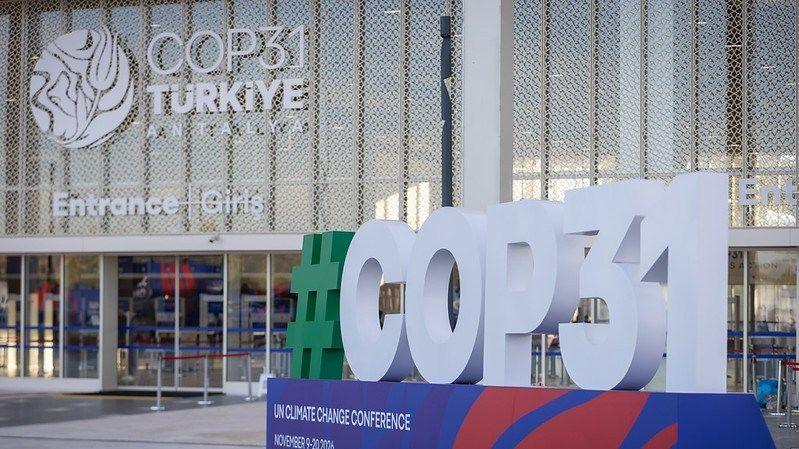
WORLD – The 31st United Nations Climate Change Conference (COP31) begins today, November 9, in Antalya, Türkiye, bringing together world leaders, government representatives, climate experts, scientists, and civil society organizations for two weeks of negotiations on the global climate crisis.
Running until November 20, the conference comes amid growing concerns over rising global temperatures, extreme weather events, and the financial challenges facing countries most vulnerable to climate change. Its central priority is to turn existing climate commitments into measurable action.
Türkiye is hosting the conference and holds its presidency, while Australia's Climate Change and Energy Minister, Chris Bowen, will lead the negotiations. A World Leaders' Summit is scheduled for November 11–12.
Lebanon is also participating in COP31, joining other countries in discussions on climate finance, adaptation, and international cooperation.
What Is on the Agenda?
COP31 will address several key areas, including climate finance, emissions reduction, adaptation, clean energy, and the implementation of national climate plans.
Climate Finance and Support for Developing Countries
Financing remains one of the main challenges in international climate negotiations. Discussions will focus on mobilizing financial resources to help developing countries adapt to climate impacts, strengthen resilience, and address climate-related loss and damage.
According to figures cited by the UN Environment Programme, developing countries will need approximately $305 billion annually for climate adaptation by 2035. However, international public adaptation finance stood at between $28.2 billion and $31.7 billion in 2024.
Clean Energy and Electrification
Türkiye has placed electrification at the centre of its COP31 agenda, introducing the proposed non-binding "35 by 35" Global Electrification Pledge.
The initiative aims to increase electricity's share of global energy demand to at least 35% by 2035, with the objective of accelerating the transition to renewable energy and strengthening energy security.
However, the proposal has also prompted debate over whether expanding electricity use will deliver climate benefits without ensuring that the additional power comes from low-carbon sources.
Climate Adaptation and Resilience
Countries will also discuss ways to strengthen their capacity to respond to climate impacts, including floods, droughts, extreme heat, and other climate-related risks.
The discussions will address climate-resilient infrastructure, urban development, food systems, and measures to protect vulnerable communities.
Food, Agriculture, and Health
Food security, sustainable agriculture, and resilient health systems are also among the conference's priorities. The opening day's programme places particular attention on how climate change affects food production, water resources, and public health, as well as financing solutions to strengthen agricultural resilience.
Turning Climate Commitments into Action
Under the theme "COP of the Future – COP of Implementation," the conference aims to move beyond national pledges and focus on their practical implementation.
The broader Action Agenda also includes zero-waste initiatives, methane reduction, green industrial development, biodiversity protection, ocean conservation, education, and climate-resilient cities.
A Critical Moment for Global Climate Action
COP31 takes place as countries face growing pressure to accelerate emissions reductions and strengthen their climate policies.
The UN Environment Programme's 2026 Emissions Gap Report projects that global temperatures could rise by approximately 2.6°C this century, even if countries fully implement their current climate pledges, exceeding the temperature goals of the Paris Agreement.
As negotiations begin in Antalya, the focus will be on whether governments can reach common ground on financing, energy transitions, and adaptation, while translating international commitments into concrete measures that address the growing impacts of climate change.