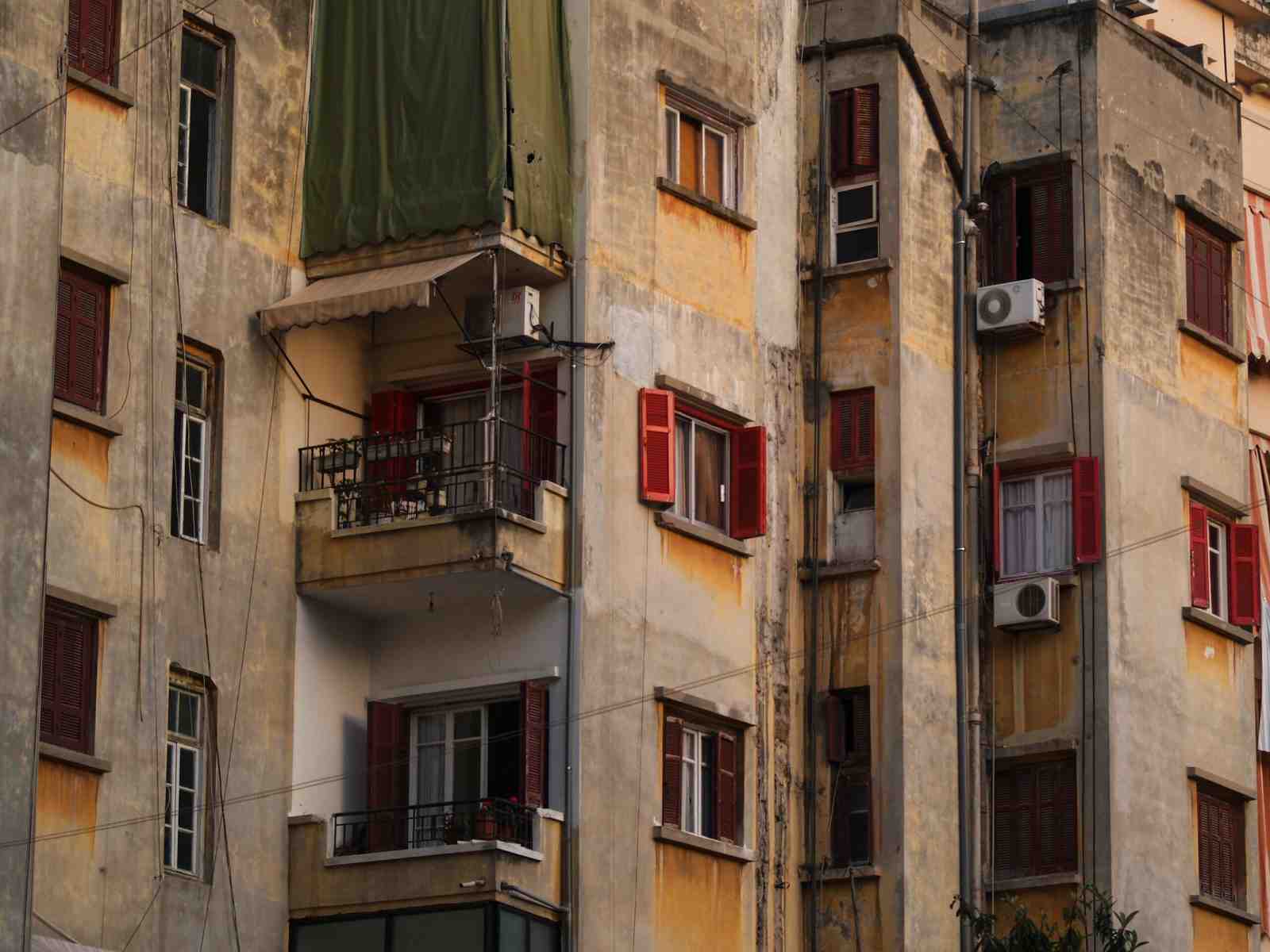
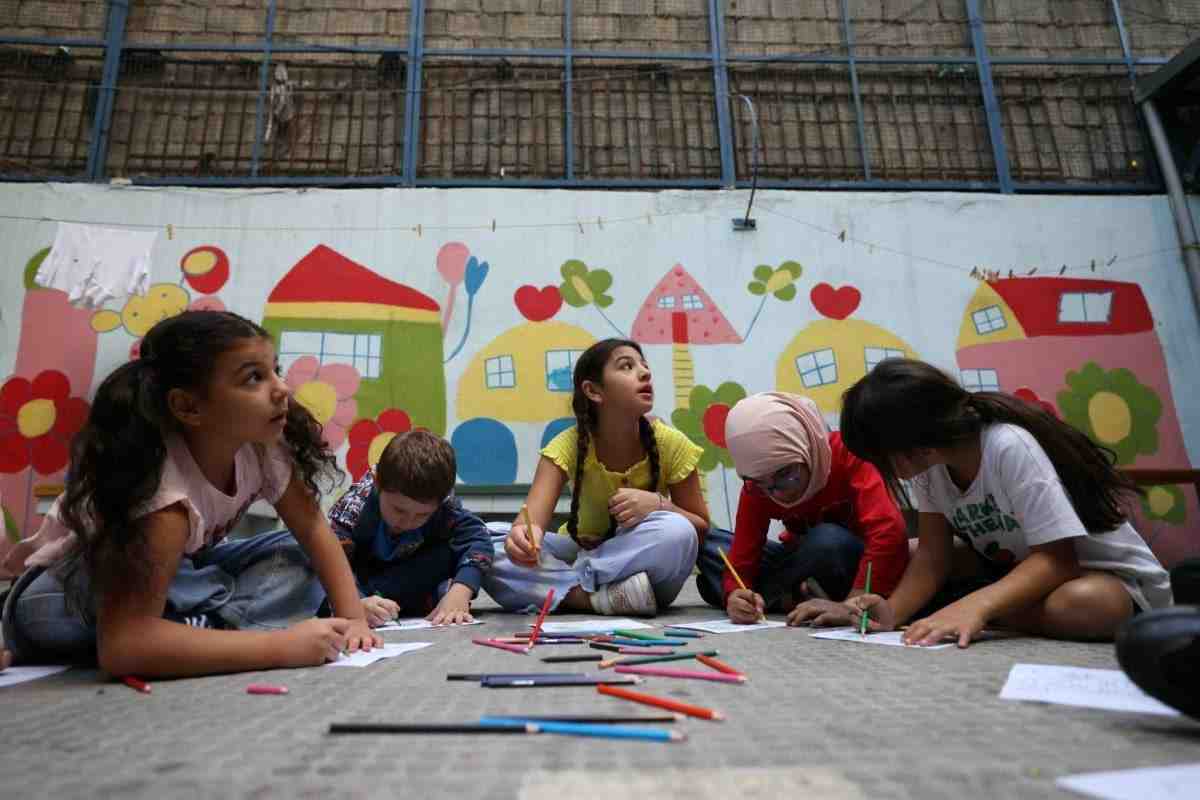
LEBANON - Lebanon’s Ministry of Social Affairs, in partnership with the United Nations High Commissioner for Refugees (UNHCR), has launched the first phase of a rental assistance program to help displaced Lebanese families who cannot return to their homes yet find safe and suitable housing.
The program will provide 2,700 families with $280 per month for six months. The first payments will go to around 1,800 families currently living in collective shelters.
Supporting Families Outside Shelters
Social Affairs Minister Haneen Sayed said the program is part of the government's efforts to move from emergency aid towards helping displaced families return home and rebuild their lives.
She said the government's plan includes several options depending on each family's situation, including repairing homes that can be lived in again, providing temporary housing and offering rental assistance to families who are still unable to return.
Minister Sayed stressed that the program is not a replacement for return or reconstruction. Instead, it aims to help families leave collective shelters and temporary living arrangements and move into safe housing until they can return home or find a longer-term solution.
She noted that the number of families in need far exceeds what the program can currently support. Around 3,000 families are still living in collective shelters, while many others are staying elsewhere but cannot afford rent or return home.
The minister said the first phase will cover only 2,700 families because of limited funding, adding that securing additional support is essential to reach more households.
How Families Are Selected
The program uses a common assessment process to identify families most in need of support. The assessment looks at household size, income, debt and housing conditions, as well as whether the family can return to its original home.
It also considers whether a household includes older people, persons with disabilities or chronic illnesses, or pregnant and breastfeeding women.
So far, 2,195 families, representing 8,406 people across 131 collective shelters, have been assessed. Of these, 1,802 families were found eligible and expressed interest in receiving rental assistance.
Once a family is approved, the implementing partner contacts it to select a property to rent. The property is then inspected to make sure it meets the programme's housing standards. An agreement is signed between the family, the landlord and the implementing partner before monthly payments begin.
Ministry Seeks More Funding
Minister Sayed said the ministry is also working to include displaced families living outside collective shelters. It will use ministry records and referrals from municipalities to identify households that need support.
She added that the government will continue working with donor countries and international partners to secure more funding and expand the programme.
UNHCR Representative in Lebanon Karolina Lindholm Billing said the programme aims not only to help families find housing but also to reduce the risk of eviction and connect them with social protection services and livelihood opportunities.
She said the support would allow families to regain some privacy and stability while they wait for the opportunity to return home.
The program is part of wider efforts to move displaced families out of emergency shelters and into more stable housing. The ministry and UNHCR said additional funding will be needed to reach more families and support them until they can return home safely or find a more permanent housing solution.