




Education has never been a choice between technology and humanity. Its true challenge has always been learning how to unite them wisely.
As artificial intelligence, augmented reality, and virtual reality enter our classrooms, the real question is not whether they belong, but how they can responsibly serve learners, teachers, and society.
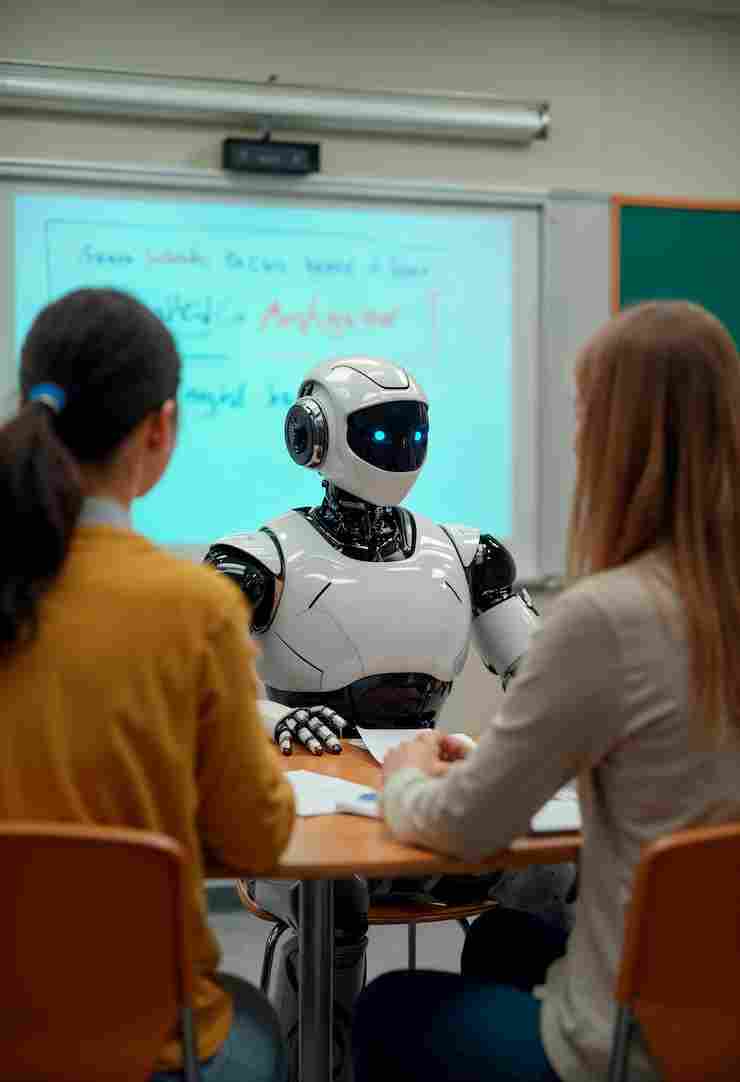
The future of education rests on a powerful balance: AI as tutor, and teachers as mentors who guide learning, empathy, and human connection. This approach does not replace educators; it amplifies their role. When designed with care, it can thrive even in the most complex and diverse learning environments.
EdTech Horizons: My Vision for AI, AR, and VR in Learning
When I think about education today, I see it standing at a fascinating crossroads. For centuries, classrooms have been shaped by chalkboards, textbooks, and face-to-face teaching. Yet as I explore the world of educational technology, it is clear that we are entering a new chapter — one in which Artificial Intelligence (AI), Augmented Reality (AR), and Virtual Reality (VR) are transforming not only how we teach, but also how children experience the joy of learning.
And honestly, given that Gen Z and Gen Alpha are already digital citizens, born into a deeply digitized world, should their education not reflect that reality?
AI: A Co-Pilot in Education
At a time when many fear that AI might replace teachers, I see something different. AI is not here to replace us, it’s here to support us. Across classrooms globally, AI systems are being used to tailor learning to individual students’ needs. But I also believe this vision is highly relevant to Lebanon and similar contexts.
Imagine feeding our national curriculum into an AI-powered learning system. This AI tutor would then be able to deliver the same curriculum content through personalized learning pathways, adapted to each student’s level, pace, and learning style.
A child who needs more time with a concept would receive additional explanations and practice, while another could move forward without frustration or boredom, all while remaining fully aligned with official educational standards.
In a country like Lebanon, where classrooms are often heterogeneous and teachers face heavy workloads, this approach can become a powerful equalizer. It ensures that no student is left behind, while preserving curriculum integrity.
I think of how much time teachers spend on grading, planning, and reporting, and how powerful it becomes when AI gives them back hours to focus on what truly matters: guiding, mentoring, and inspiring learners. But then I ask myself: is it better to leave our children alone with AI, with all its risks? Or is it wiser to teach them how to use technology responsibly, ethically, and critically?
Of course, risks exist — unequal access, bias, and misuse among them. That is why governments and schools must place equity, transparency, and teacher training at the heart of AI adoption. For me, AI is a co-pilot — amplifying human teaching, never replacing it.
Augmented Reality: When Knowledge Comes Alive
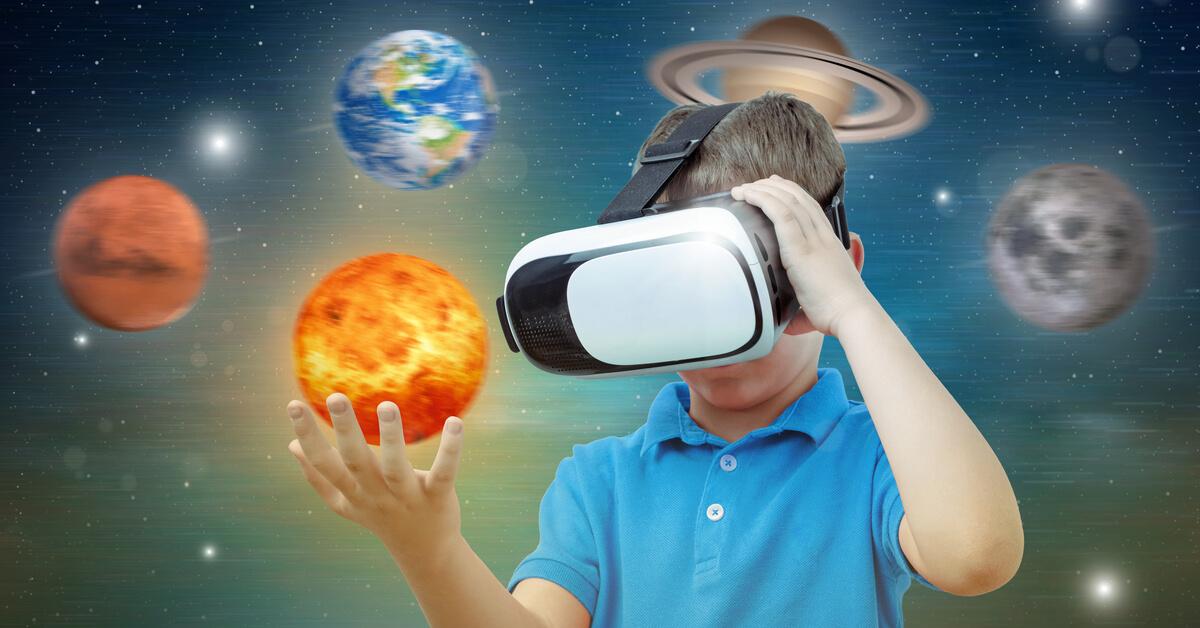
Imagine a child pointing a tablet at a static image of the solar system and suddenly seeing planets orbit in real time. AR turns abstract concepts into visual, interactive experiences, making learning more engaging and memorable. I do not see AR as a replacement for traditional teaching, but as an extension of it. It bridges theory and reality, helping learners, especially younger ones, grasp complex ideas with clarity and excitement. For students who struggle with abstraction, AR makes learning tangible, contextual, and unforgettable.
Virtual Reality: Opening Doors to New Worlds
I have always envisioned schools as spaces where learning transcends physical boundaries. With VR, this vision becomes tangible. Through a headset, students can explore ancient civilizations, dive into the depths of the ocean, or travel inside the human body. But beyond content delivery, what I value most is VR’s power to cultivate empathy and perspective.
When learners walk through a refugee camp or witness the effects of climate change firsthand, they do not just study facts, they experience stories. Education, at its best, shapes not only the mind, but also the heart.
So I ask again: if children are growing up in a digital world, shouldn’t education reflect — at least in part — the reality they inhabit?
The Power of the Right Resources: My Journey with Ata3allam
Through my journey as an educator and entrepreneur, I have learned that technology must be designed for learners, not merely for devices. This belief led me to create Ata3allam, an award-winning application dedicated to teaching Arabic in a joyful and engaging way.
When I see kindergarten and Grade 1 learners using Ata3allam, I see curiosity, confidence, and joy. What was once perceived as a difficult language becomes a playful and meaningful adventure.
Through interactive stories, songs, visuals, and games:
Children develop early literacy skills without rote memorization,
Students learn at their own pace, building autonomy and confidence,
Teachers and parents witness higher motivation and stronger retention.
Ata3allam is proof that when technology is guided by pedagogy and vision, it does not distract learners; it inspires them, while preserving cultural identity through modern tools.
The School of the Future
When I look ahead, I do not imagine classrooms filled with technology for its own sake. I envision schools where innovation is purposeful, sustainable, inclusive, and deeply human.
AI, AR, VR, and learner-centered platforms are not goals in themselves; they are tools that, when used thoughtfully, can strengthen teaching, deepen learning, and open the door to more equitable futures.
This transformation must be guided by three core principles:
Human first: Teachers remain at the heart of education, not as content deliverers, but as facilitators of learning, sources of empathy, and social connectors who cultivate critical thinking, collaboration, and emotional intelligence.
Equity always: Access to technology-enhanced learning should not be a privilege. Every child, regardless of background or context, must have the opportunity to benefit from these tools.
Transparency and ethics: Learners and families deserve clear, honest communication about how technology is used, how data is handled, and how these tools shape the learning journey.
From Tools to Transformation
AI, AR, VR, and thoughtfully designed platforms like Ata3allam are not merely tools; they represent new languages of learning.
Once, the chalkboard was revolutionary. Today, the true revolution lies in human-centered technology that respects learners, empowers teachers, and equips children with the skills and confidence to navigate a global future.
When guided by vision, responsibility, and care, this transformation becomes more than innovation. It becomes ethical, inclusive, and filled with curiosity, creativity, and wonder.
Jennifer Aouad is an award-winning entrepreneur, educator, and founder of the Arabic EdTech learning platform Ata3allam