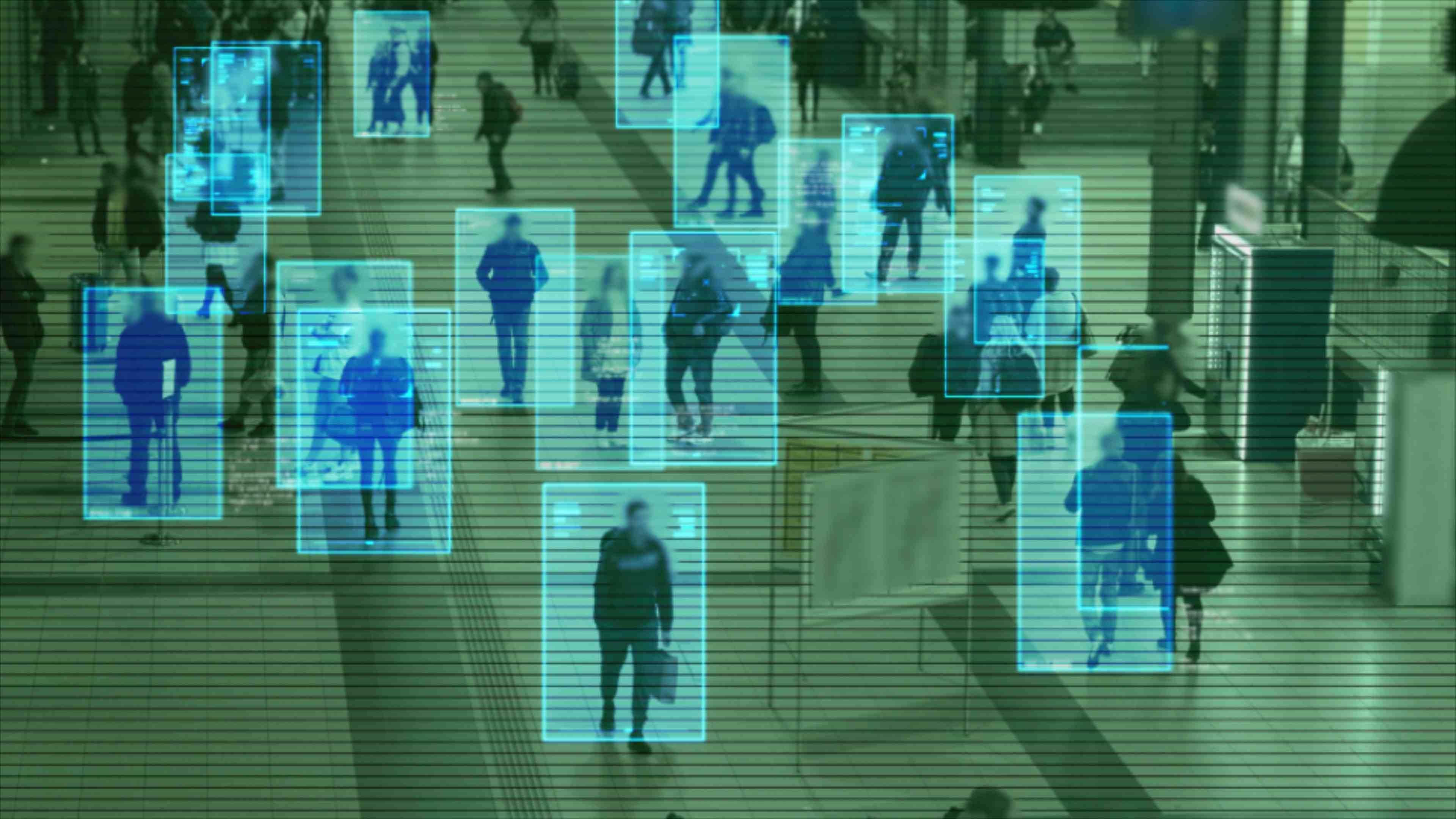







WORLD - Artificial intelligence is often described as neutral: It is not. AI systems learn from data, and data reflects power.
Power decides what is recorded. Power decides what is categorized. Power decides what becomes "normal" inside a dataset and what is not recorded rarely exists inside the system.
Artificial intelligence is not simply transforming economies. It is redefining recognition itself. Access to mobility, finance, humanitarian aid, digital platforms, and even employment increasingly depends on structured data and automated verification.
For stateless and minority communities, this shift is profound. The issue is not whether AI includes them; the issue is whether they exist inside the digital architecture being built.
When Data Becomes a Gatekeeper
Historically, political power determined recognition. Today, data infrastructure does.
AI systems rely on structured inputs. Verified identities. Historical records. Stable legal categories.But millions of people globally live outside these frameworks. Stateless communities. Displaced populations. Ethnic minorities without formal recognition. Cross-border groups whose identities do not fit neatly within a single national database.
When global AI systems are trained primarily on the data of recognized citizens inside stable states, they inherit those boundaries. Invisibility becomes embedded, not because engineers intend harm, but because absence in data produces absence in outcomes. If you do not appear clearly in the dataset, you do not appear clearly in the decision-making process.
The Global Architecture of Power
The most influential AI systems today are designed by powerful states and multinational corporations.
They define how:
Identity is authenticated
Risk is calculated
Compliance is measured
Legitimacy is verified
These systems reflect the institutional assumptions of the environments in which they were created: clear citizenship records, consistent documentation, and stable legal status. When exported globally, these assumptions travel with them.
If algorithmic risk models rely on historical financial or administrative data, what happens to those whose lives were shaped by displacement or exclusion?
AI does not invent inequality. However, it can standardize it.
Digital Identity and the New Politics of Belonging
Digital identity systems are expanding rapidly. Biometric registration is used in humanitarian operations. Automated screening tools support migration processes. Data-driven verification systems determine eligibility for aid, work platforms, and financial services.
These tools promise efficiency and transparency, but they also redefine belonging, which increasingly depends on verifiability. Communities with incomplete records, disputed status, or informal existence face a new challenge: not exclusion by decree, but exclusion by design.
AI systems are optimized for clarity, yet statelessness is rarely clear, and minority identity is rarely binary, while digital systems tend to prefer binary categories.
The Ethical Blind Spot
Global debates on AI ethics focus heavily on bias: bias by gender, race, and income. These conversations are essential, but they often assume the subject already exists inside the system.
Stateless and unrecognized communities face a deeper risk: non-existence in the system altogether.
If access to global platforms, cross-border finance, employment marketplaces, or digital public services increasingly requires structured data recognition, invisibility becomes a developmental barrier. In the digital century, visibility is power.
Communities that are not systematically recorded struggle to influence planning, access markets, or shape policy narratives.
Data is becoming the language of legitimacy, and power continues to shape who gets to speak it.
From Digital Invisibility to Digital Agency
This trajectory is not inevitable. AI can empower marginalized communities if inclusion is intentional.
Inclusive data mapping can surface underserved populations. Portable digital credentials can support displaced individuals across borders. Participatory data governance can ensure minority voices influence how systems are designed.
But inclusion cannot be an afterthought; it must be embedded at the architectural level.
Developers must test whether undocumented populations are systematically excluded. Policymakers must examine how digital verification standards affect those without formal recognition. International institutions must expand AI governance frameworks to account for statelessness and recognition gaps.
The global AI architecture is still being built. Standards are still forming. Data models are still training, and power is shaping the narrative once again.
The question is whether that narrative will include those historically left at its margins.
Artificial intelligence will continue advancing. The defining issue is not how intelligent our systems become, but whether they recognize only the formally documented or whether they can adapt to the complexity of human identity.
For stateless and minority communities, the future of AI is not only about innovation, it is about visibility. And in a world governed increasingly by data, visibility is the first form of power.