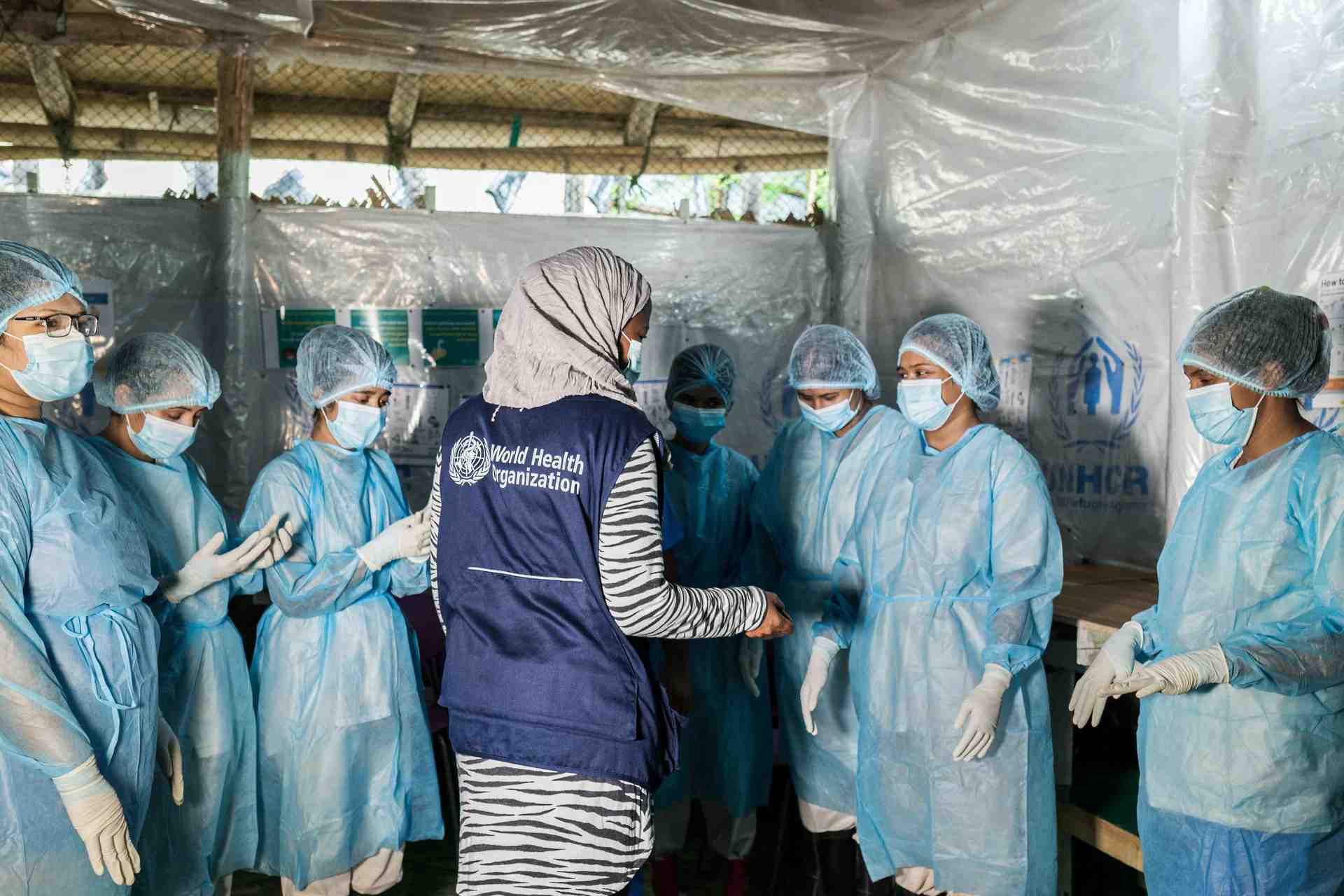







WORLD – On World Health Day, April 7th, the WHO launched its "Stand with Science" campaign, advocating for a global shift toward a shared "One Health" culture.
What is One Health?
One Health is an approach that recognizes the interconnectedness of human, animal, and environmental health. It emphasizes that addressing complex health challenges requires collaborative, cross-disciplinary, and multisectoral efforts.
Why does it matter?
Emerging infectious diseases, antimicrobial resistance (AMR), and environmental degradation are increasingly exposing the limits of traditional, siloed health systems. These challenges cross borders and require strategies that address their root causes. The COVID-19 pandemic is a clear example: a virus that jumped from animals to humans brought the world to a standstill, highlighting how vulnerable isolated health systems can be.
Where is the One Health Approach Useful?
1 – Antimicrobial Resistance (AMR)
AMR occurs when microorganisms, like bacteria and viruses, develop resistance to the drugs designed to kill them. Overuse or misuse of antibiotics in hospitals and on farms accelerates this process, creating drug-resistant pathogens.
One Health brings together healthcare professionals, veterinarians, researchers, and policymakers to tackle AMR from multiple angles. Measures include promoting responsible antibiotic use, implementing better surveillance, and encouraging collaborative research.
2 – Environmental Health
Environmental factors such as habitat destruction, climate change, and pollution negatively impact ecosystems and, consequently, human and animal health. Damaged ecosystems can give rise to new infectious diseases and alter their transmission patterns.
One Health emphasizes protecting the environment as a way to safeguard public health. Sustainable land use and responsible resource management are not just environmental goals; they are crucial to maintaining the overall health of humans and animals.
3 – Food Safety and Security
Foodborne diseases are a global concern. Pathogens can come from livestock, wildlife, or contaminated water and enter the food chain, affecting both humans and animals. One Health strengthens surveillance and response systems, allowing for early detection of potential outbreaks.
By coordinating efforts across agriculture, veterinary services, and public health, One Health can reduce food safety risks and ensure access to safe, nutritious food.
In the Context of Lebanon
Lebanon’s small size means farming areas and urban neighborhoods are closely interlinked, allowing diseases and drug-resistant pathogens to move more easily between animals and people.
Combined with polluted water sources, overstretched sanitation infrastructure, and poor waste management, these conditions can accelerate the spread of AMR.
Research has detected drug-resistant bacteria in Lebanese hospital wastewater and poultry even before they appeared in human patients, underscoring the value of early, integrated surveillance.
One Health offers practical tools for Lebanon, such as joint animal-human surveillance systems and coordinated vaccination programs to reduce disease transmission across species.
Call for Action
The core message of One Health is simple, even if the work it requires is complex: human health cannot be protected in isolation from animal and environmental health. From antibiotic resistance to pandemics to food safety crises, today’s most pressing health threats do not fit neatly into one discipline.
In Lebanon and worldwide, progress requires collaboration, where public health, veterinary science, environmental policy, and community action move together. One Health is more than a framework; it’s a recognition that our well-being has always been shared.