






MIDDLE EAST— The Israeli-U.S. war against Iran is triggering a rise of infectious diseases across parts of the Middle East, as mass displacement and strained health systems deepen humanitarian risks, the World Health Organization warned.
Health officials are already recording rising cases of communicable diseases, including chickenpox, shigella, and influenza, alongside increases in watery diarrhea, respiratory illnesses, and skin infections, according to the agency’s Eastern Mediterranean regional director, Dr. Hanan Balkhy.
The surge is closely linked to deteriorating living conditions, overcrowded shelters, and limited access to clean water and healthcare services in conflict-affected areas.
Beyond infectious diseases, Balkhy highlighted growing concerns over mental health, warning that prolonged exposure to conflict, displacement, and economic hardship could lead to a significant rise in psychological disorders.
The WHO further cautioned against emerging environmental health threats tied to the war’s evolving nature. Strikes targeting nuclear facilities, oil refineries, and desalination plants risk triggering large-scale contamination incidents.
Desalination infrastructure is critical for drinking water in several countries, including Iran and Lebanon.
While current damage has not yet severely disrupted water access, Balkhy warned that any major incident could rapidly escalate. Existing water reserves in some countries, she said, could last only days or weeks if supply systems are compromised.
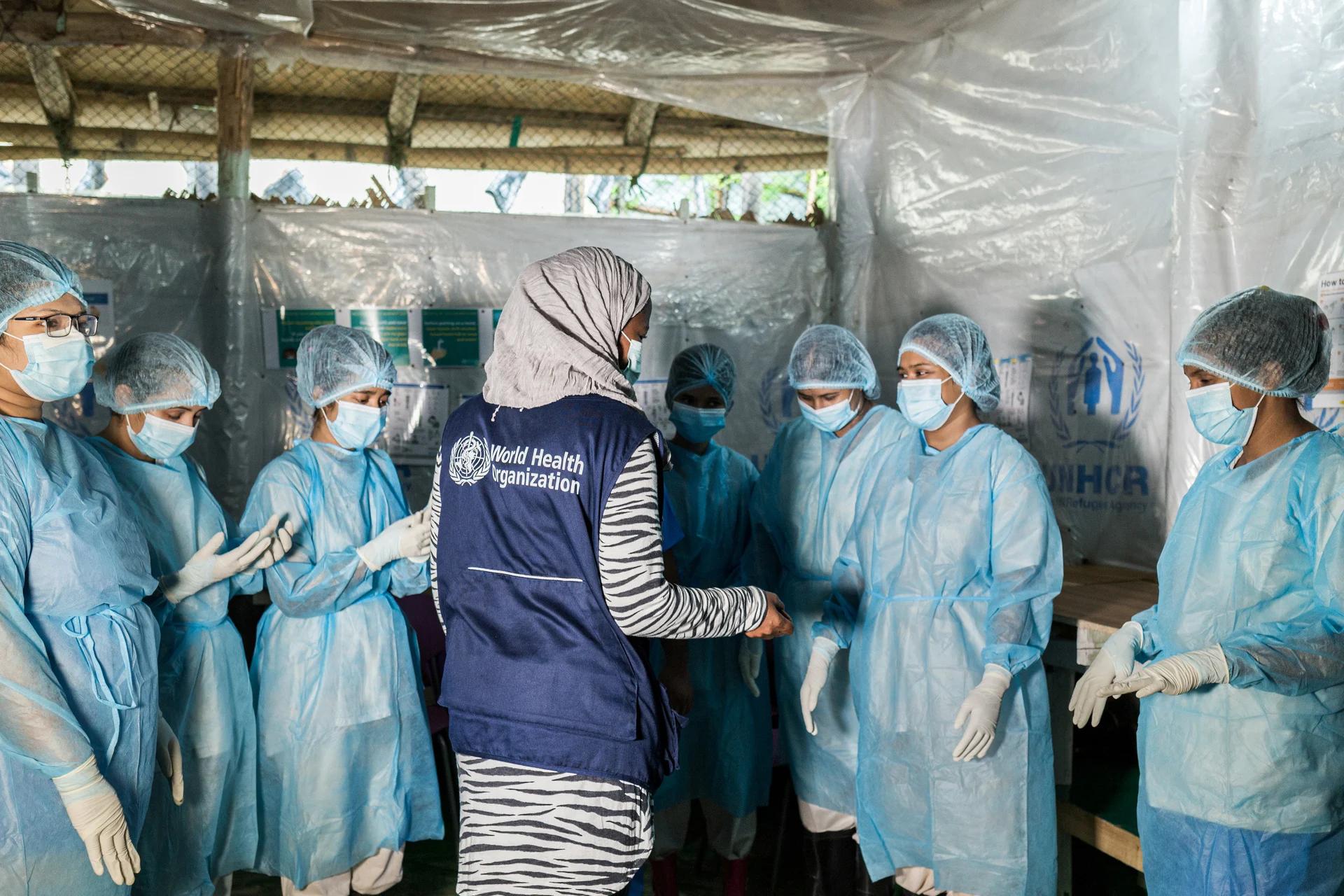
In response, the WHO is coordinating with national health authorities to strengthen disease surveillance and prepare emergency interventions, including responses to potential nuclear or water contamination events.
Logistical challenges, however, are complicating aid delivery. Airspace restrictions, border closures, and rising transportation costs have disrupted supply chains, affecting operations from the WHO’s global logistics hub in Dubai.
The agency is working with regional governments and international partners to maintain supply routes, including through land corridors and humanitarian air bridges.
Currently, the WHO has 64 pending emergency supply orders for 25 countries, valued at $4 million. Delivering these supplies remains complex, particularly for medical products that require certain temperatures during delivery.
Balkhy called for urgent action to stop the conflict, warning that years of war, sanctions, and instability have already left health systems across the region severely weakened.