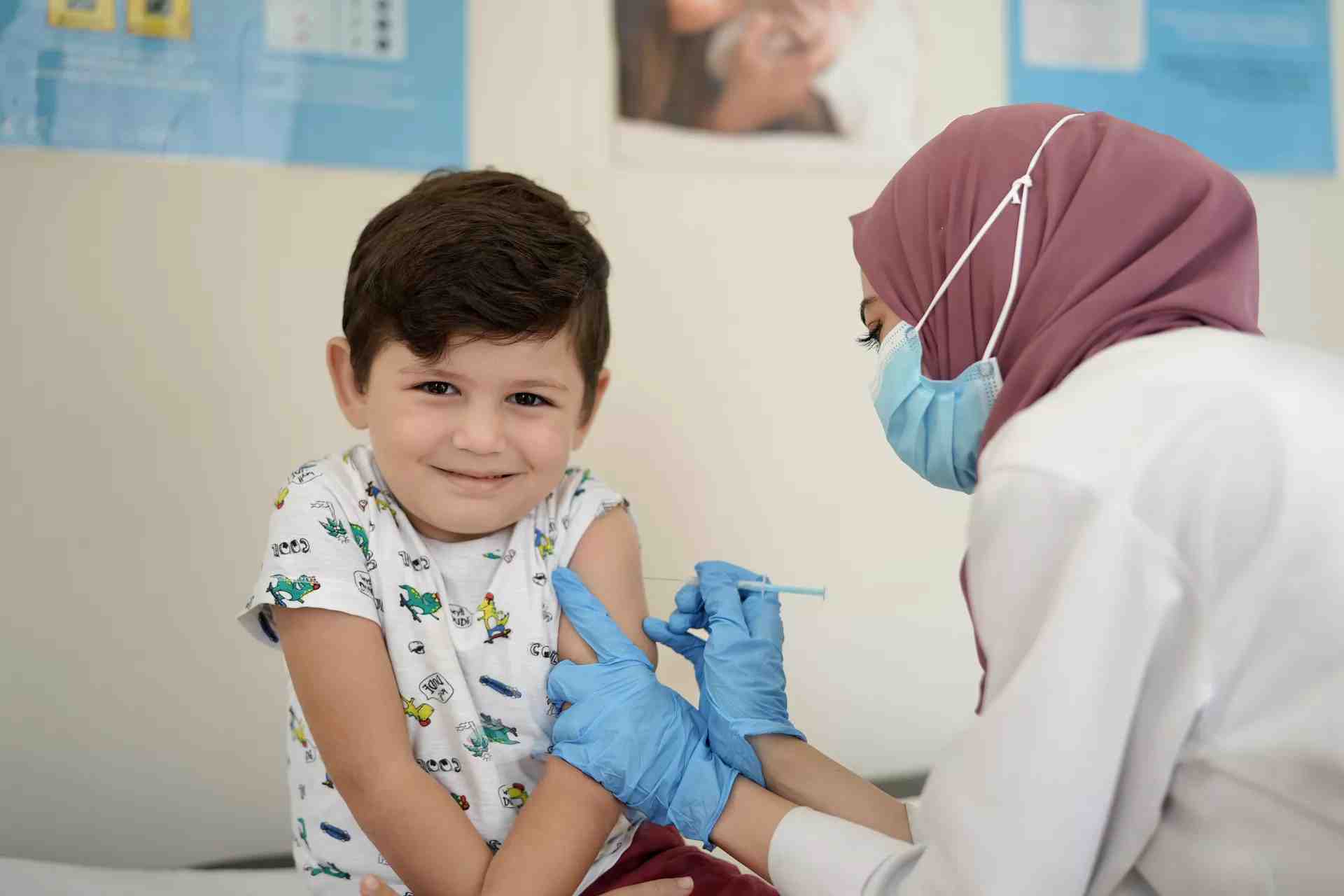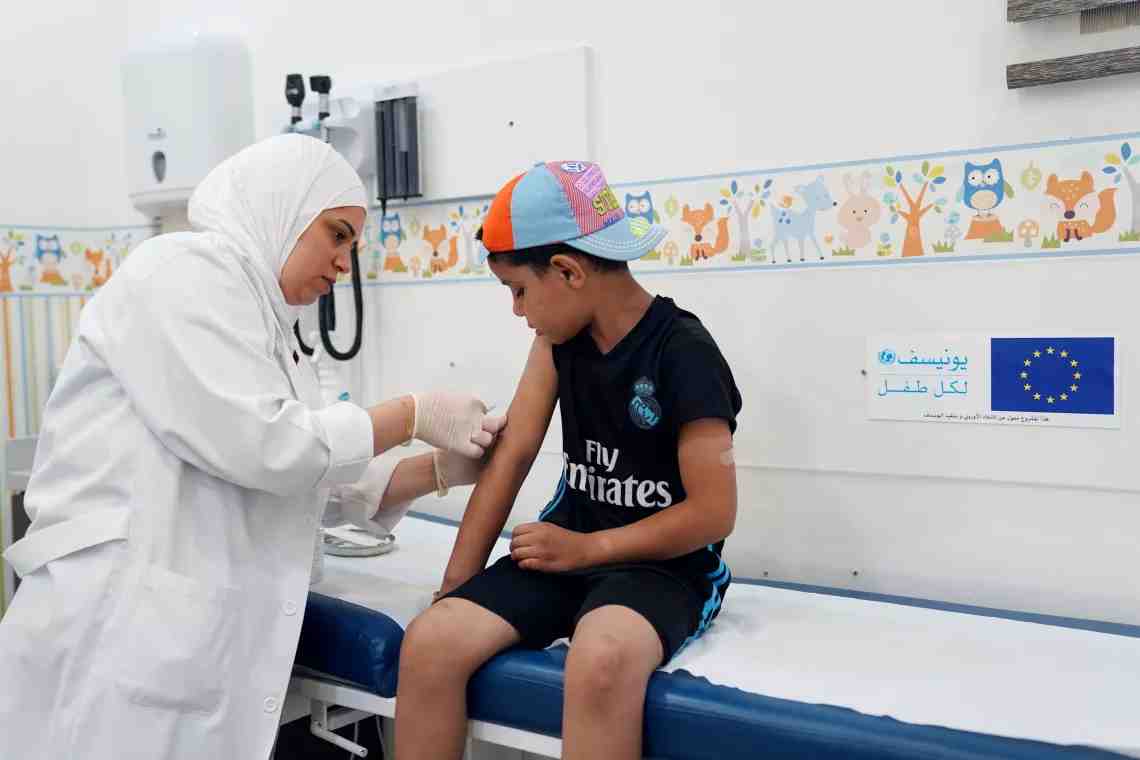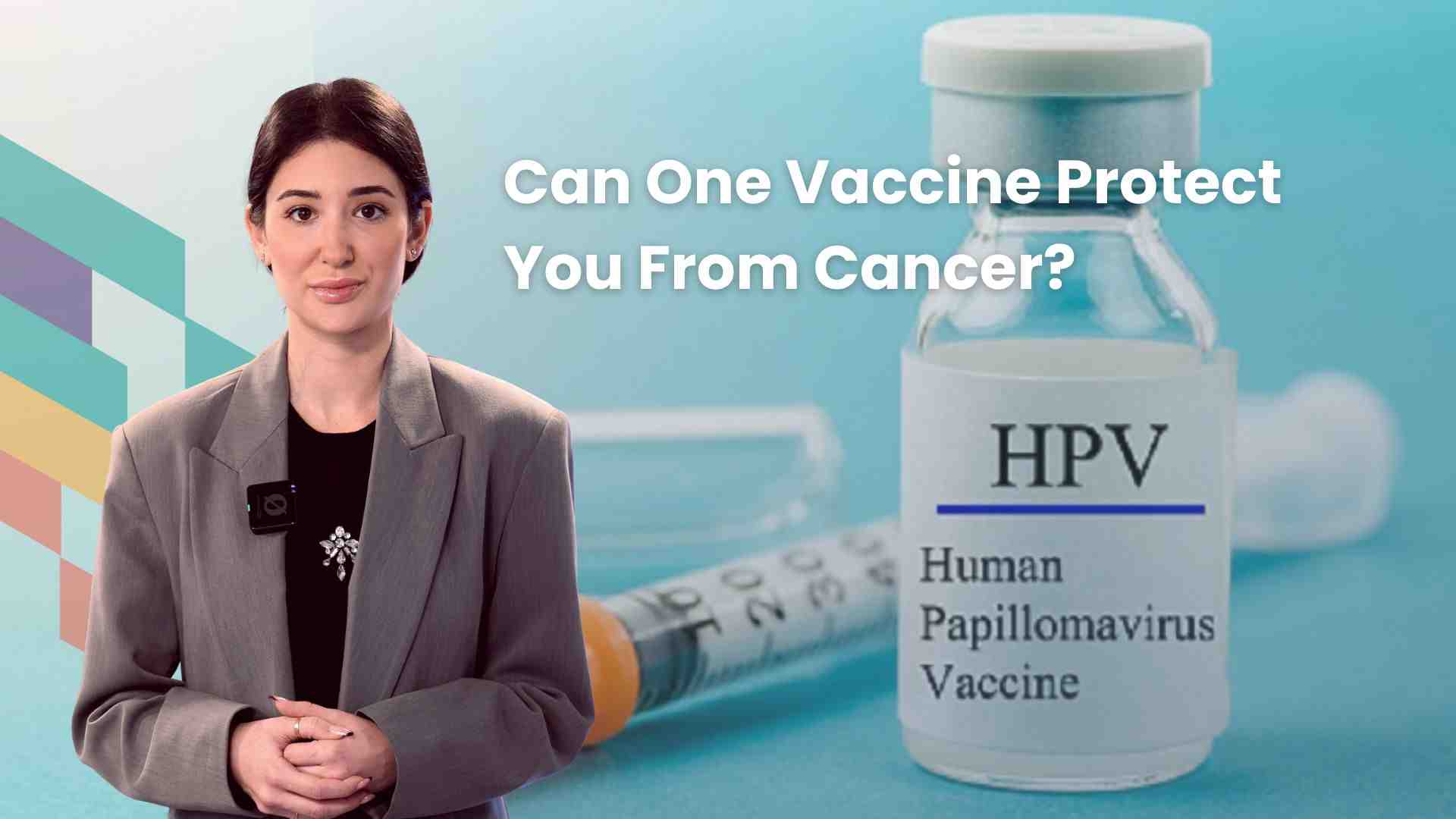






LEBANON - A decade ago, vaccines were a routine part of life. A visit to the doctor, a quick injection, and a sense of reassurance that children were protected from diseases once feared across generations. Today, that certainty is no longer guaranteed.
Across Lebanon, vaccination is no longer just a medical decision; it has become a social conversation. Parents are asking more questions, delaying decisions, and in some cases, refusing vaccines altogether. This growing phenomenon, known as vaccine hesitancy, reflects a deeper shift in how people perceive health, risk, and trust.
Vaccines themselves have not changed. They remain one of the most effective tools in public health, training the immune system to recognize and fight diseases safely. Globally, they save millions of lives each year. Yet in Lebanon, routine immunization rates have declined significantly since the COVID-19 pandemic, and outbreaks of diseases such as measles have re-emerged, reminding us that these illnesses are never truly gone.
So why is this happening?
Part of the answer lies in the 3 Cs: Confidence, Convenience, and Complacency. In a country facing overlapping economic, institutional, and social crises, confidence in public systems has been shaken. Healthcare is not immune to this reality. A recent study on Lebanese parents found that those who experienced discrimination in medical settings were significantly more likely to hesitate when it comes to vaccinating their children. When people feel unheard, mistreated, or excluded, their relationship with healthcare becomes fragile, and that fragility can extend to vaccines.
But confidence is only one piece of the puzzle.
Then there is the question of convenience. Vaccines may be officially free in Lebanon, but reaching them is not always simple. Transportation costs, time constraints, and unequal access to healthcare services, especially outside major urban centers, can all influence whether families follow through with vaccination. For some, the challenge is not whether they believe in vaccines, but whether they can realistically access them.
For many families, the decision is also shaped by complacency or how they understand risk. When diseases such as polio or measles are not immediately visible, they can feel distant or unlikely. At the same time, social media has become a powerful source of information, often blurring the line between fact and misinformation. In this environment, concerns about vaccine safety, side effects, or even their necessity can quickly gain traction.
The same study highlights the importance of vaccine literacy: parents who better understand how vaccines work are less likely to hesitate. This suggests that the issue is not simply resistance, but a gap in accessible, trustworthy information.
Taken together, these factors reveal an important truth: vaccine hesitancy is not a single issue with a single cause. It is the result of how people experience healthcare, how they receive information, and how they navigate daily challenges.
Where does that leave us?
Addressing it, therefore, requires more than awareness campaigns. It calls for rebuilding trust in healthcare systems, ensuring respectful and equitable treatment, and making information clear, accessible, and relevant. It also means meeting people where they are, whether in clinics, schools, or even on social media, and engaging in dialogue rather than simply delivering messages.
Because at its core, vaccination is not just about protection from disease. It is about confidence in a system that promises care, safety, and accountability. Rebuilding that confidence may be the most important step toward ensuring that vaccines continue to protect future generations.