







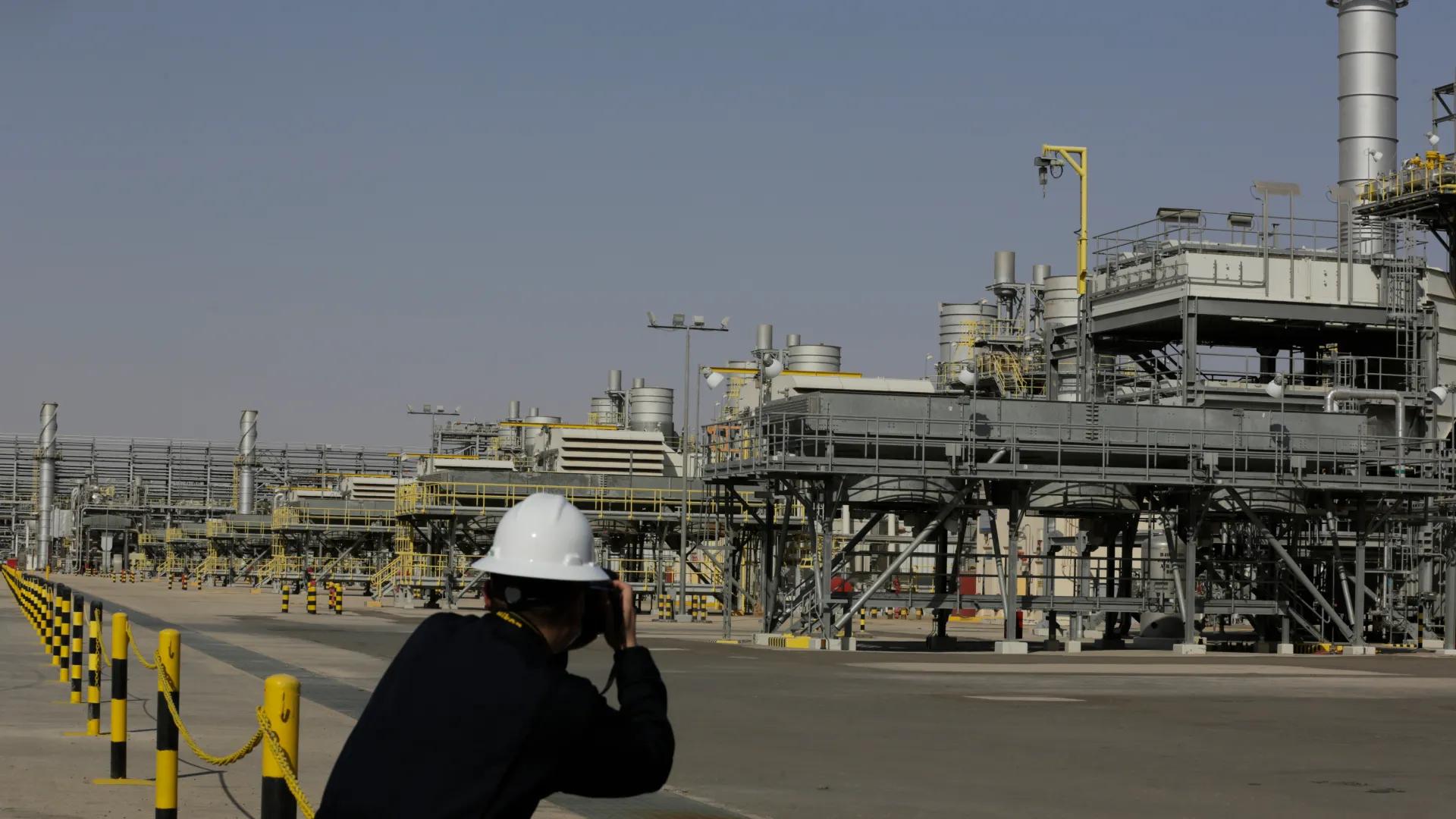
UNITED ARAB EMIRATES - The United Arab Emirates (UAE) has announced its withdrawal from the Organization of the Petroleum Exporting Countries (OPEC), with the decision set to take effect on May 1, 2026.
The UAE Minister of Energy and Infrastructure Suhail Al Mazrouei told SNA Business that the decision is "economic and not political.”
He added that the exit reflects a carefully calibrated strategy designed to balance the interests of both producers and consumers in global energy markets.
Within the region, the move has prompted cautious responses from other Gulf producers, who continue to balance their own production strategies with commitments to OPEC agreements.
A Shift in Strategy
The decision reflects a broader shift in the UAE’s long-term energy strategy, as the country continues to expand production capacity.
The Abu Dhabi National Oil Company (ADNOC) has said it expects to raise production capacity from around 3.4 million barrels per day prior to the beginning of the Iran war to approximately 5 million barrels per day by 2027.
After the closure of the Strait of Hormuz, UAE output reportedly fell by around 44 percent to approximately 1.9 million barrels per day in March, highlighting the vulnerability of supply routes.
The broader impact on global supply was also significant. OPEC production dropped by an estimated 7.88 million barrels per day in March, representing a 27 percent decline to 20.79 million barrels per day: one of the largest monthly declines in the group’s output in recent decades, according to industry estimates.
Despite these uncertainties, the UAE government has emphasised continuity in its energy exports and reliability as a global supplier, stressing that long-term commitments to international partners will remain intact.
![The UAE announced its departure from OPEC on April 28, 2026, effective May 1. [File: Ramzi Boudina/Reuters]](/_next/image?url=https%3A%2F%2Fenmaeya-production.s3.eu-west-1.amazonaws.com%2Fglobal%2Fimage%2FIfIDuGHfHZuFB9FPttkZZgYm_1777457219464_ZcgKf.webp&w=3840&q=25)