LEBANON - Lebanon’s economy is entering a critical phase in 2026, according to the latest first-quarter report by Bank Audi, as the impact of recent conflict continues to weigh heavily across all sectors.
The report says the country is at a “precarious juncture,” with a U.S.-mediated ceasefire offering some relief after weeks of disruption. While the truce is holding for now, the economic outlook depends largely on whether it lasts and how much the conflict continues to affect daily activity.
If the ceasefire continues, the economy is expected to stall in 2026, with zero growth forecast. This marks a sharp slowdown from around five percent growth in 2025. Still, avoiding a contraction is seen as a positive sign, with hopes that the summer and holiday seasons could help support a modest recovery.
The Lebanese pound has remained relatively stable so far, despite significant losses caused by Israeli strikes. However, the Banque du Liban saw its liquid foreign currency reserves drop by about $539 million between mid-February and the end of March.
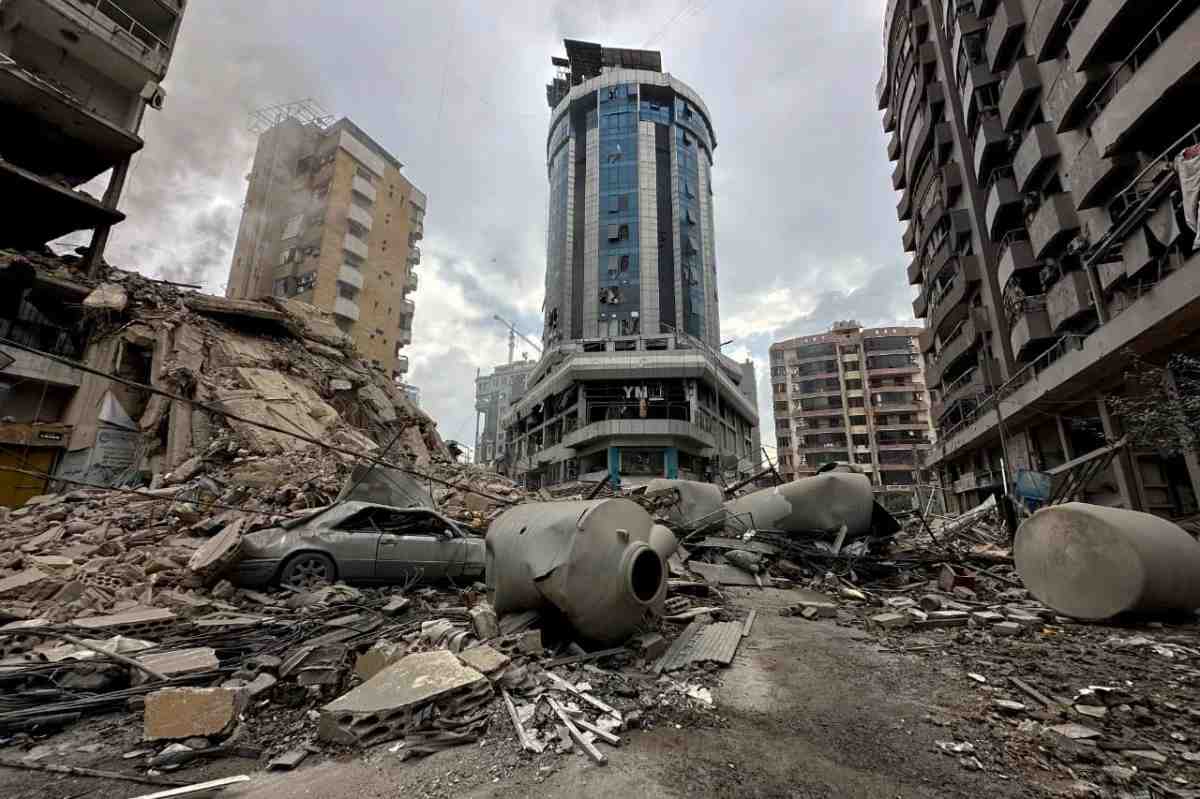
The cost of the conflict has been steep. Daily economic losses are estimated between $60 million and $80 million, in addition to billions of dollars in damage to infrastructure and property. Investor confidence has taken a hit, with investment dropping sharply from 20 percent of GDP in 2025 to below 10 percent after the fighting began.
At the same time, Lebanon is facing stagflation, which is a mix of economic slowdown and rising prices. Consumer prices rose by 15 percent in March compared to a year earlier, driven mainly by global energy costs. International oil prices jumped by nearly 50 percent, pushing transport costs up by 21 percent.
Several key sectors have been badly affected. Tourism saw a sudden drop, with airport activity falling by 65.5 percent in March alone. Agriculture has also suffered, especially in southern areas, raising concerns about food security.
Industrial activity has declined by about 60 percent due to damaged infrastructure and disrupted supply chains. In real estate, demand has weakened, with property sales falling significantly despite an increase in construction permits.
Looking ahead, the report outlines two possible paths. If the ceasefire holds, inflation could reach 20 percent this year, while foreign reserves stabilize between $11 billion and $12 billion. But if fighting resumes, the country could face a much deeper economic crisis, highlighting how fragile the recovery remains.