







WORLD - Global development finance is entering a period of strain. In 2025, Official Development Assistance (ODA) fell by 23.1% compared to the previous year, marking the largest single-year contraction on record.
This sharp decline is happening at the same time as developing countries face an estimated $4.3 trillion annual financing gap needed to achieve sustainable development goals, including climate adaptation, healthcare, education, and infrastructure.
The growing gap between declining public resources and expanding global needs has intensified a debate in development policy: whether private capital can realistically compensate for declining aid, or whether the current approach risks overlooking the fundamental limits of market-driven finance in delivering essential public services.
What Official Development Assistance (ODA) Is
Official Development Assistance refers to public funding provided by governments in wealthier countries to support economic and social development in lower-income countries. It is one of the most established instruments of international solidarity and global redistribution.
Unlike private investment, ODA is not designed to generate financial returns. Instead, it finances areas that are essential for development but often unattractive to markets.
This includes primary healthcare systems, education infrastructure, humanitarian relief, climate adaptation, and support for fragile or conflict-affected states.
Because it is publicly funded, ODA provides a relatively stable source of long-term financing for countries that lack the fiscal capacity to meet these needs domestically.
The 23.1% drop in 2025 therefore represents more than an adjustment; it signals a weakening of a core pillar of predictable development finance at a moment when global needs are rising.
The Scale of the $4.3 Trillion Financing Gap
The decline in ODA becomes more consequential when viewed against the scale of global financing needs. Developing countries now face an estimated $4.3 trillion annual shortfall required to meet sustainable development objectives.
This gap reflects multiple overlapping pressures. A significant share is linked to climate investment needs, including both mitigation and adaptation, which alone account for roughly $1.8 trillion annually.
Beyond climate, substantial financing is required to expand healthcare access, strengthen education systems, build resilient infrastructure, and maintain social protection systems in countries facing persistent poverty and instability.
At the same time, rising debt burdens, higher borrowing costs, and repeated climate shocks are reducing fiscal space in many developing economies.
The G7 and Its Influence on Global Development Finance
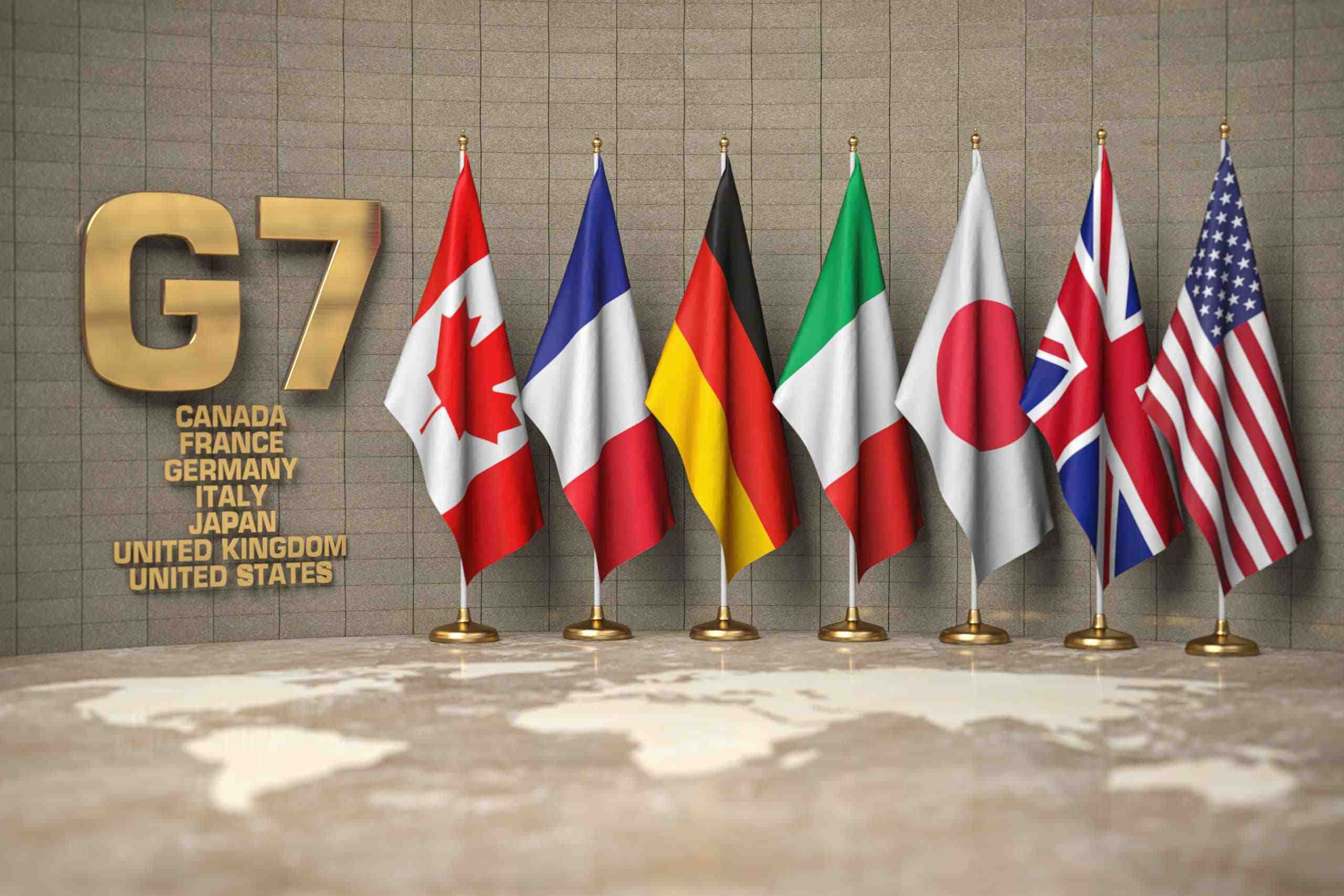
The G7 is composed of seven major advanced economies: Canada, France, Germany, Italy, Japan, the United Kingdom, and the United States, with the European Union also participating in discussions.
Although it represents a relatively small share of the global population, it accounts for a significant share of global economic output and plays an outsized role in shaping international financial priorities.
Decisions taken within this forum often shape broader global trends in ODA levels. In this context, G7 discussions increasingly shape how the global system responds to rising development needs.
The Growing Reliance on Private Capital Mobilization
As ODA declines, policymakers are increasingly looking to private capital to help fill the financing gap. The idea is that large investors, such as pension funds, banks, and other private financial institutions, can be encouraged to invest in developing countries if the risks are reduced.
This is often done by using public money to “de-risk” projects or by combining public and private funding in the same investment.
In 2023, approximately $87.9 billion in private capital was mobilized for low- and middle-income countries through such mechanisms.
However, this remains small relative to the scale of annual needs, which run into the trillions. The gap between mobilized private finance and total financing requirements highlights a core limitation of this strategy.
Why Private Finance Cannot Replace Public Aid
The distinction between private capital and public development finance is not only one of scale but also of function. Risk-adjusted returns, liquidity considerations, and predictable revenue streams primarily drive private investors.
As a result, investment tends to concentrate in sectors such as energy generation, telecommunications, or commercially viable infrastructure.
However, many essential development needs do not generate sufficient financial returns to attract private investment without substantial public support.
Primary healthcare systems, rural education, climate adaptation in high-risk areas, disaster response, and social protection systems all fall into this category.
These services are critical to development outcomes but are not structured to be profit-generating. This creates a structural gap that private finance alone cannot fill.
When ODA declines, these are often the first areas to experience funding pressure, with direct consequences for poverty reduction and resilience in vulnerable communities.
The Core Tension Between Aid and Investment
The current global debate is shaped by a tension between two approaches to development finance. On one hand, shrinking aid budgets are pushing governments to seek greater involvement from private investors.
On the other hand, the nature of essential development needs limits the extent to which market-based finance can substitute for public funding.
This creates a risk of overestimating what private capital can achieve while underestimating the continued importance of ODA.
The result is not a simple choice between public and private finance, but a growing need to rethink how both interact within a coherent system.
The Future of Development Finance
A key shift in development finance is the move beyond a narrow focus on aid toward a broader approach that includes trade, investment, and long-term economic transformation.
This is especially important in the context of green industrialization, where developing countries risk being left out of emerging global opportunities if they are not better integrated into new low-carbon value chains and investment flows.
As a result, development partnerships are increasingly seen less as one-way transfers of money and more as strategic relationships.
The emphasis is shifting toward shared priorities, stronger alignment with country needs, and measuring real impact, rather than focusing only on the volume of aid provided.
At the same time, the development finance system has become more complex. Alongside governments, there are now multilateral institutions, development banks, private investors, and philanthropic actors all involved.
This makes coordination more difficult but also more necessary, especially as traditional aid budgets tighten and need to be used more strategically.
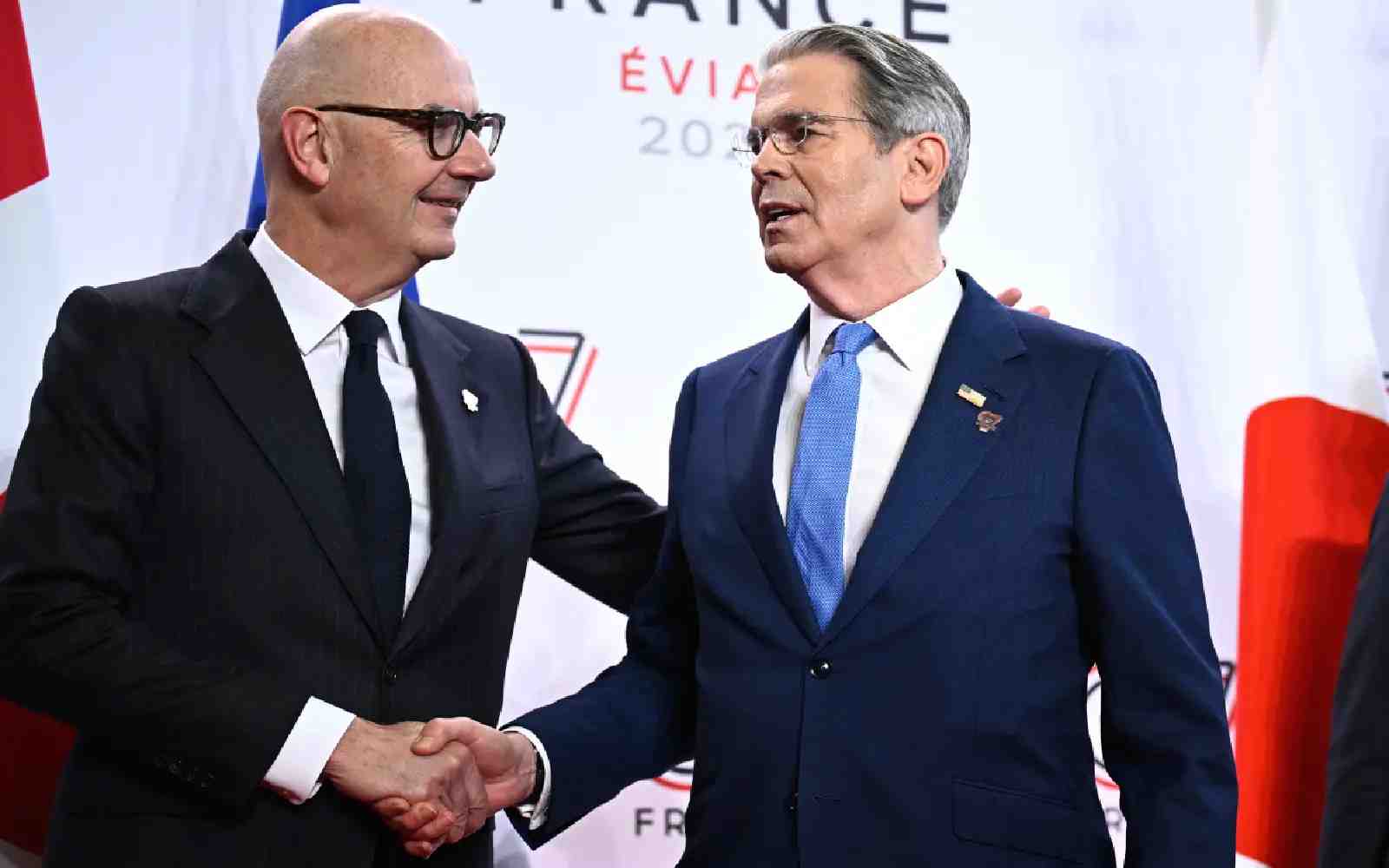
Within this context, the French G7 presidency has chosen to focus on two key risks to economic stability and security, even though the political space for agreement is limited due to ongoing global conflicts.
The first is the rise of major macroeconomic imbalances between leading economic blocs, which are increasingly shaping their industrial policies.
The second is the risk that, as a result, it will become harder for the rest of the world to finance the investments needed for sustainable development and industrialization.
Public development banks are becoming central players in this evolving system. They do more than provide financing; they also understand local conditions and help prepare and structure projects.
Climate and disaster risks add further pressure. More frequent extreme weather events are making some regions partially or fully uninsurable, including in advanced economies. This creates risks not only for vulnerable countries but also for the fiscal stability of wealthier states.
Addressing this requires better data on physical risks, improved transparency, and fairer ways to share costs between public and private actors, while still keeping investment viable in high-risk environments.
Biodiversity is also becoming a more important part of development finance, even though funding remains uneven and difficult to compare. New reporting systems are helping standardize how nature-related risks are measured.
There is also a growing shift toward seeing nature finance as an opportunity rather than a cost, strengthening environmental safeguards in public investment, and improving global transparency and accountability.
Overall, the future of development finance will depend on whether international cooperation can adapt to a more fragmented and uncertain global environment.