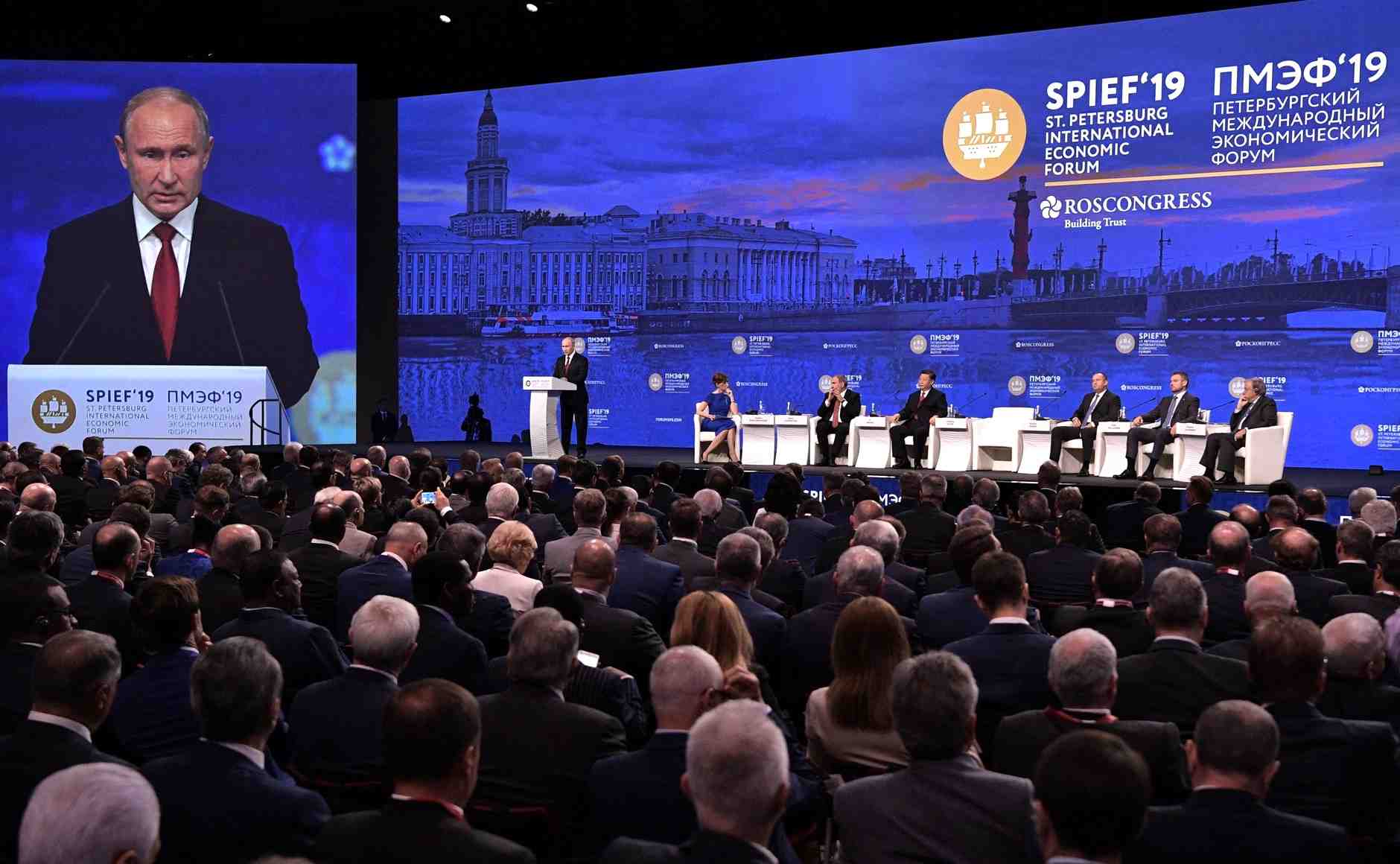








CAIRO — The Economic Research Forum (ERF) launched its 32nd Annual Conference in Cairo from June 14 to 16 under the theme "After the Shock: Reform, Resilience, and Economic Transformation in MENA," bringing together researchers, policymakers, private sector leaders, and development practitioners from across the region.
The conference comes at a time when the Middle East and North Africa (MENA) region faces mounting economic challenges driven by geopolitical tensions, regional conflicts, and growing uncertainty in global markets.
According to the organizers, recent developments have exposed structural vulnerabilities across trade systems, financial channels, labor markets, public finances, businesses, and households. The conference seeks to move beyond crisis management and explore long-term strategies that can strengthen economic resilience and support sustainable development.
Strengthening Resilience in a Changing Environment
Participants are examining how economic disruptions spread through key sectors, including trade, energy markets, shipping, finance, and investment. Discussions focus on how governments and institutions can better respond to shocks while protecting vulnerable populations and maintaining economic stability.
The conference highlights the need for reforms that improve policy coordination, institutional effectiveness, and the ability of economies to adapt to rapidly changing conditions.
Five Pillars of Economic Transformation
The three-day event is structured around five major themes:
Shock transmission and systemic vulnerability
Economic resilience
Policy and institutional reform
Private sector adaptation
Inclusive economic transformation
These themes aim to identify practical pathways for improving economic performance while expanding opportunities and strengthening social cohesion across the region.
Research and Policy Dialogue
The conference program includes 85 competitively selected research papers presented across 29 thematic sessions. The discussions cover a broad range of topics, including labor economics, international economics, macroeconomics, financial economics, political economy, poverty and inequality, climate change, energy transition, and microeconomics.
Organizers say the event is designed to bridge academic research and policymaking by providing evidence-based recommendations for governments and stakeholders seeking to navigate ongoing economic challenges.
Looking Beyond Crisis Management
As MENA economies continue to face geopolitical uncertainty and economic pressures, conference participants are emphasizing the importance of long-term reforms that promote resilience, productivity, and inclusive growth.
The ERF conference aims to contribute to a broader regional dialogue on how economies can move from responding to crises toward building more sustainable and adaptable development models for the future.