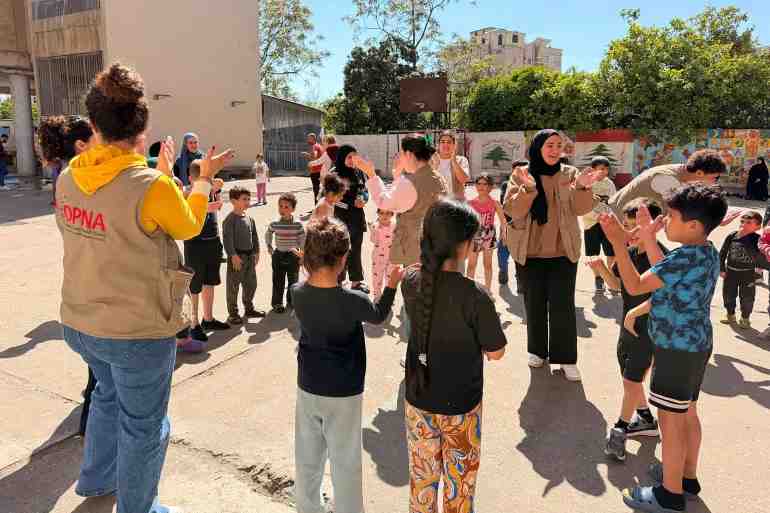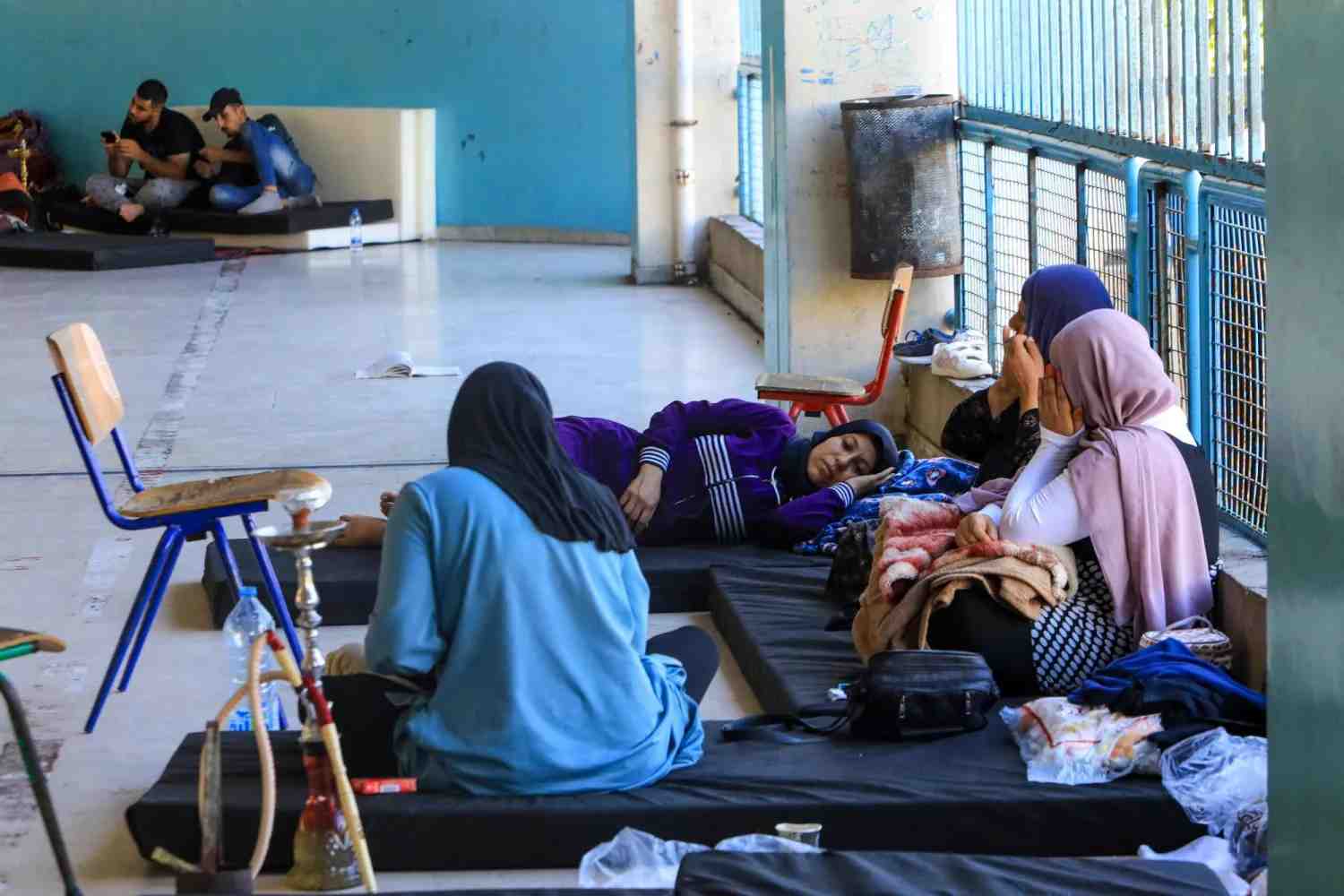







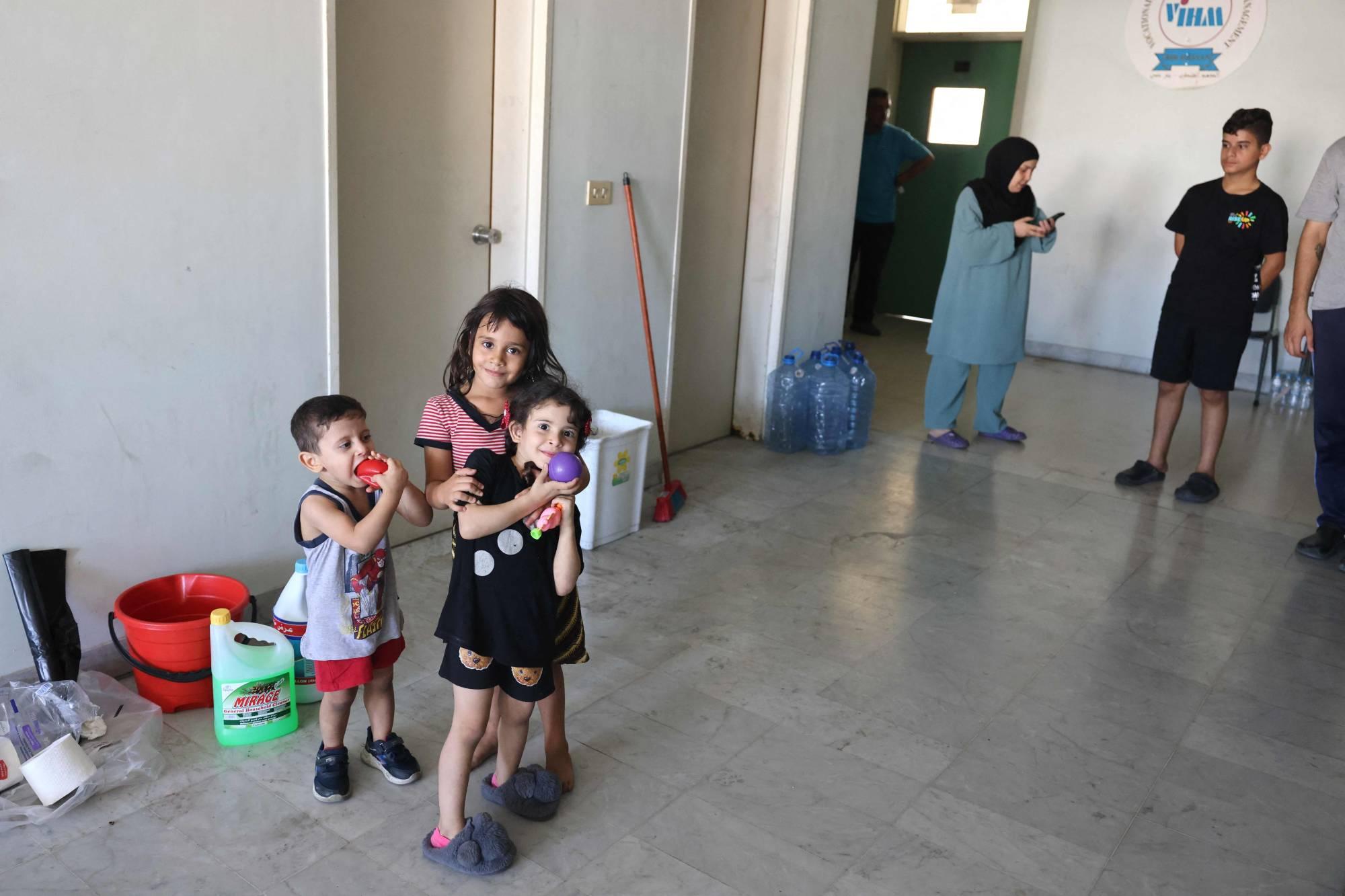
LEBANON - Humanitarian agencies in Lebanon are raising urgent concerns over child nutrition as ongoing emergency assistance continues to meet only immediate caloric needs, while failing to provide adequate dietary diversity for growing children and adolescents.
In a joint guidance note titled “Supporting healthy diets for children”, UNICEF, the World Food Programme (WFP), and the Lebanon Nutrition Sector warned that displaced families are increasingly exposed to environments dominated by inexpensive, ultra-processed foods, contributing to growing health risks among children.
Emergency Aid Meets a Nutrition Gap
According to the agencies, emergency food assistance in Lebanon is primarily designed to ensure basic caloric intake through dry food parcels or ready-to-eat rations. However, operational constraints such as limited refrigeration, lack of cooking facilities, and food safety requirements restrict the inclusion of fresh, nutrient-rich foods.
The guidance notes that this creates a significant nutrition gap for children and adolescents, who require diverse diets rich in vitamins and minerals to support development and immune health.
“Food assistance is primarily designed to address immediate caloric needs,” the brief states, warning that limited dietary diversity increases the risk of malnutrition and long-term developmental challenges.
Growing Exposure to Ultra-Processed Foods
The agencies also highlighted the increasing exposure of displaced families to “obesogenic” environments, particularly around shelters and schools, where cheap and heavily marketed ultra-processed foods are widely available.
The situation is further compounded by unsolicited food donations that often include items high in sugar, salt, and unhealthy fats.
The report warns that Lebanon is already facing a dual burden of malnutrition, with rising rates of childhood overweight and obesity alongside persistent micronutrient deficiencies. It notes that up to one-third of adolescent girls are affected by overweight or obesity.
Nutrition Guidance for Families and Caregivers
To address these challenges, the guidance outlines practical recommendations for caregivers and humanitarian partners, encouraging more balanced and affordable food choices when market access is possible.
Recommended food groups include dairy products such as yogurt, labneh, cheese, and ayran; affordable protein sources such as lentils, chickpeas, and beans; and seasonal fruits and vegetables where available.
The document also provides guidance on healthier snack options, including fresh fruits and vegetables, dried fruits without added sugar, roasted legumes, unsalted nuts, hummus, popcorn, and unsweetened yogurt.
In contrast, it advises limiting or avoiding highly processed snacks, sugary drinks, sweets, pastries, and packaged ultra-processed foods.
Strengthening Oversight of Shelter Donations
The Nutrition Sector has called for stricter screening of food distributed in shelters, including donated items, to ensure aid remains needs-based rather than donor-driven. It also announced that highly processed snacks and sugary beverages will be restricted in shelter-level distributions.
Humanitarian agencies emphasized the importance of delivering nutrition guidance with sensitivity, urging aid workers to use non-judgmental language and focus on practical, affordable solutions for families facing severe economic and psychological pressures.
The warning comes as Lebanon continues to grapple with overlapping humanitarian and economic crises, placing increasing pressure on already vulnerable displaced communities.