







LEBANON - A new policy brief issued Monday by the UN Economic and Social Commission for Western Asia (ESCWA) warns that Lebanon’s recent conflict has triggered large-scale displacement and is placing older persons at heightened risk, amid what it describes as insufficient humanitarian responses tailored to their needs.
Rising Displacement and Strain on Health Services
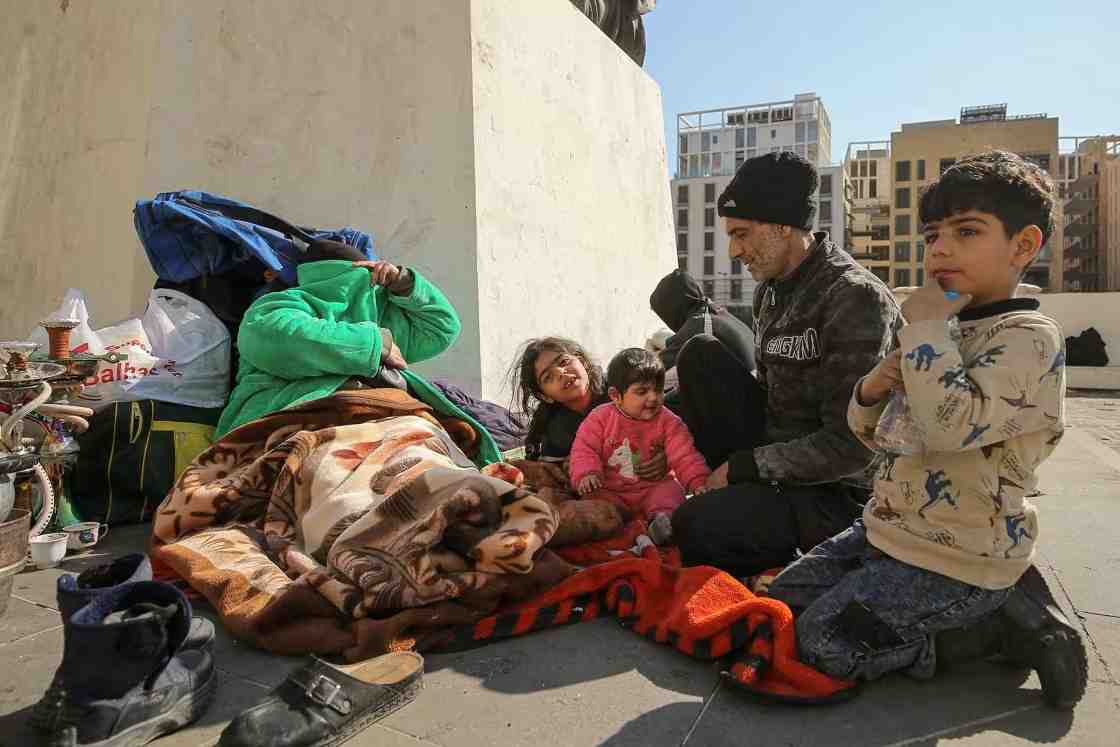
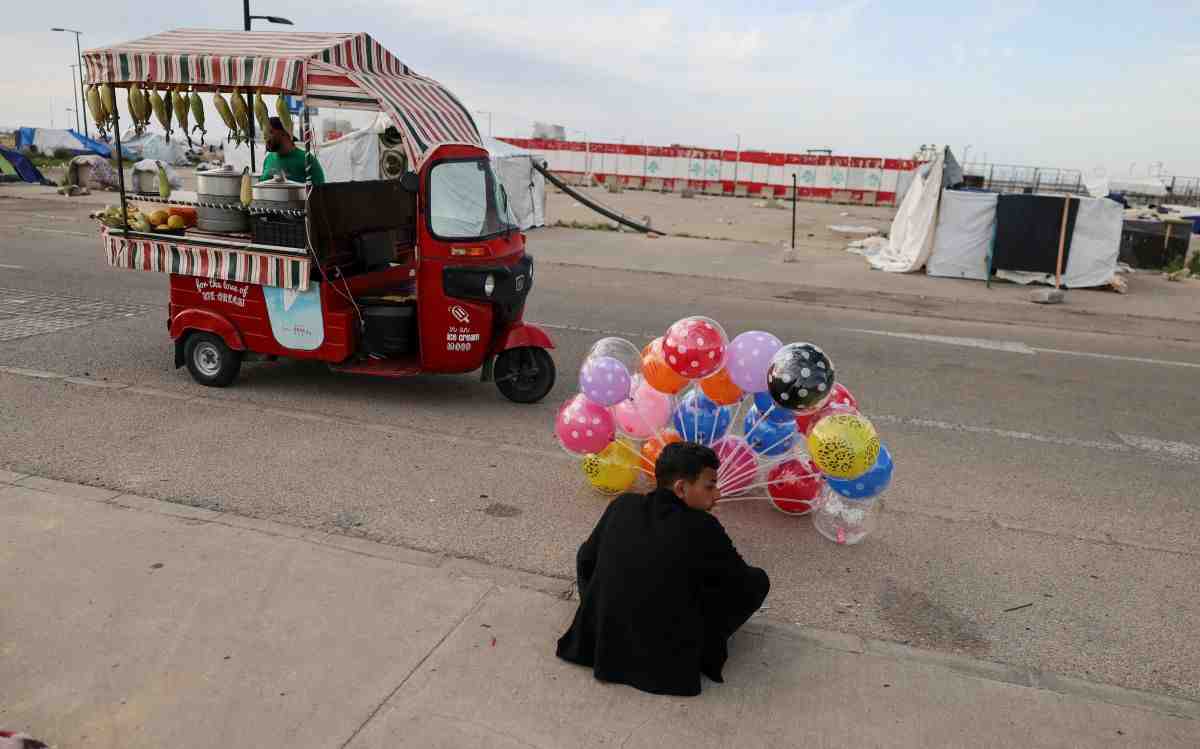
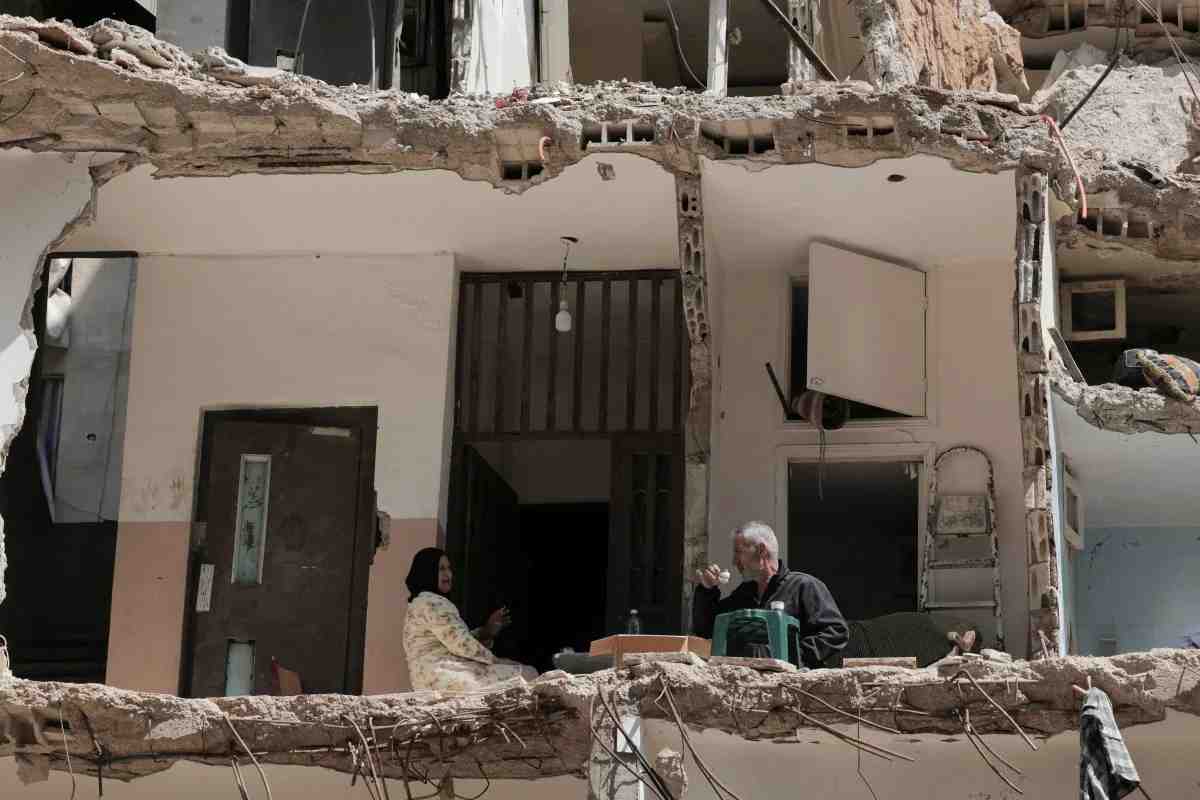
The brief, titled “Conflict and its Impacts: Older Persons Between War and Displacement in Lebanon,” estimates that roughly 20% of Lebanon’s population has been displaced as a result of the latest war, including about 140,000 older people.
It notes that many of them are now living in precarious conditions, either in unsafe areas or in displacement settings that are not equipped to accommodate their physical or medical needs.
According to the report, the situation has been compounded by severe strain on the country’s health system. Six hospitals have closed, while 23 primary healthcare centers have been damaged or targeted.
Hundreds of health workers have been killed or injured, further reducing access to essential services. These disruptions have particularly affected older persons with chronic illnesses who require regular treatment and continuous care.
The brief highlights that many elderly people are unable to access healthcare due to transportation costs, limited mobility, or lack of information about available services. Despite government efforts to organize emergency health responses, significant gaps remain in reaching vulnerable groups, it adds.
ESCWA’s Population Affairs Officer Sara Salman said the war, combined with ongoing anxiety and accumulated trauma, has led to a deterioration in the mental health of older persons, including increased rates of depression and social isolation.
She warned that older people are experiencing “compounded marginalization” during crises, as they not only lose homes and income but also access to essential services and social recognition.
Economic Hardship and Call for an Inclusive Response
The report also points to worsening economic conditions among older populations, noting that many have lost sources of income or property, increasing dependence on relatives or aid. In displacement sites, many are reported to lack basic dignity, with some forced to sleep on floors or live without adequate sanitation or care.
It further criticizes humanitarian assistance for often failing to account for the specific dietary and health requirements of older people.
Standardized food distributions, the brief says, can unintentionally exclude those with medical conditions requiring adapted diets.
At the same time, Salman emphasized that older persons should not only be viewed through a vulnerability lens. She said they play a key role in supporting families and communities and are central to social cohesion and resilience during crises and recovery periods.
The brief calls for a more inclusive humanitarian response that systematically integrates the needs of older persons. It recommends ensuring continuity of healthcare services, especially for chronic diseases, improving displacement conditions, and developing targeted social protection and economic support mechanisms.
It also urges the design of age-sensitive food assistance and greater inclusion of older persons in planning and implementing response programs.
The findings underline the urgent need for coordinated action as Lebanon’s humanitarian system faces mounting pressure and vulnerable groups continue to bear disproportionate impacts of the ongoing crisis.