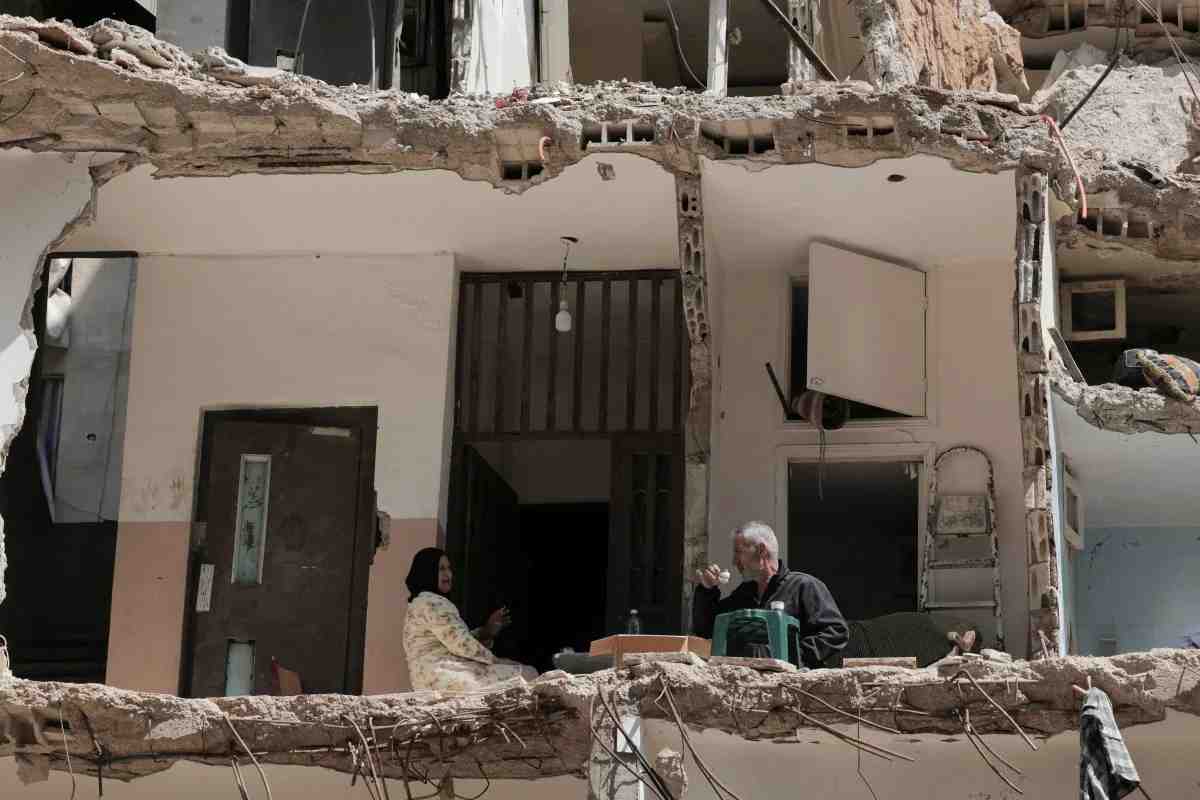








LEBANON - Lebanon’s Minister of Social Affairs, Haneen Al-Sayyed, announced that approximately 400,000 people, around 40% of those displaced outside shelters, have returned to their homes, according to data from the International Organization for Migration (IOM).
Speaking from the government palace, Minister Al-Sayyed described the figures as “an indication of clear return movement,” while stressing that state operations remain active to support both returnees and those still unable to go back to their homes.
According to updated figures shared by the Ministry and the Lebanese Red Cross in coordination with the national Disaster Risk Management Unit, the number of individuals remaining in emergency shelters has dropped significantly.
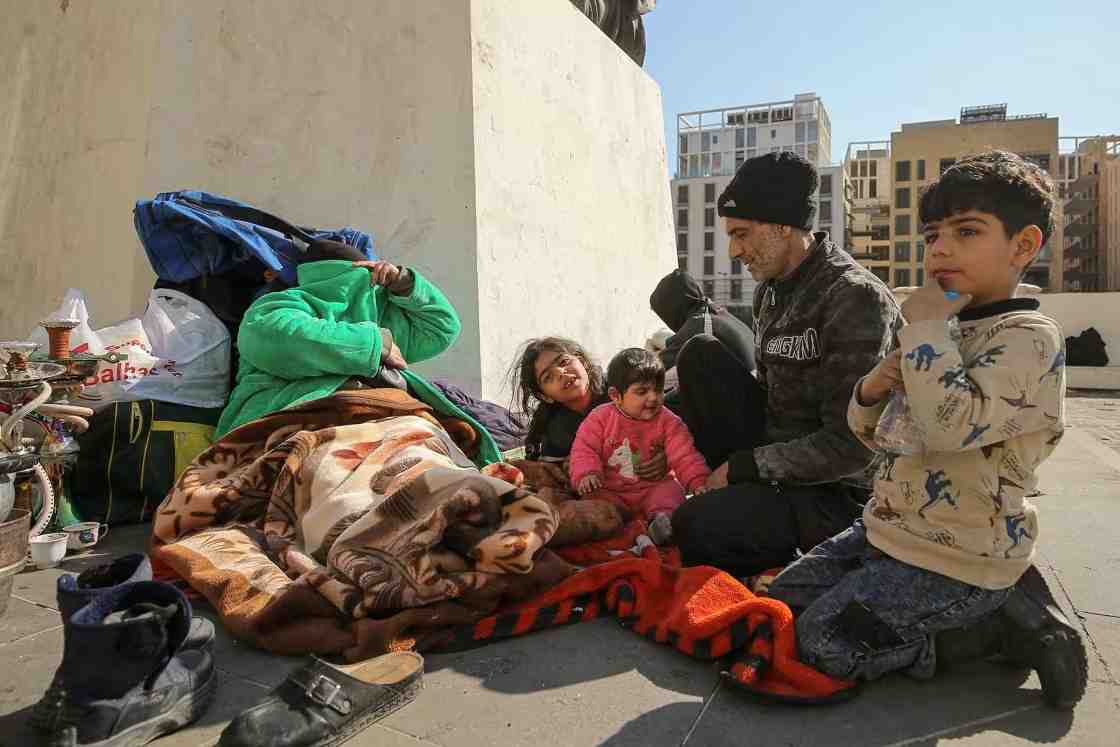
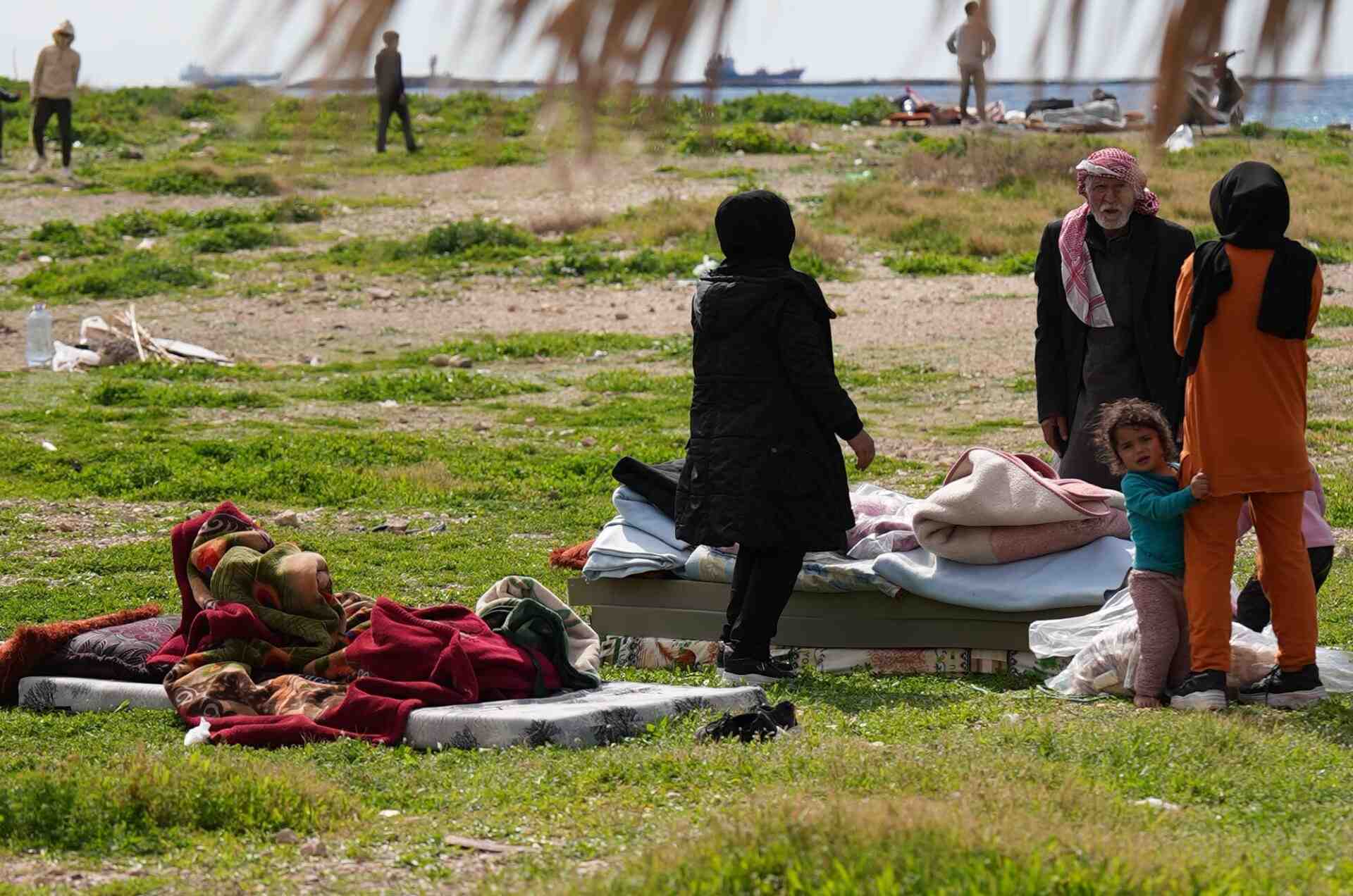
The displaced population in collective shelters now stands at 13,896 families, or 52,243 individuals, compared to a peak of 37,439 families, approximately 141,440 individuals. This represents a decline of roughly 63% in shelter-based displacement.
The Ministry also reported a parallel reduction in the number of active shelters nationwide. At the height of the displacement crisis, 692 shelters were operational.
That number has now fallen to 479, following the closure of 213 centers. In Beirut alone, shelters decreased from 150 to 100, while Mount Lebanon saw a reduction from 258 to 202.
Most governorates recorded similar declines, with the exception of Nabatieh, where additional shelters were opened to accommodate residents seeking proximity to their villages and communities.
Progress Made, But the Mission Is Far From Over
Minister Al-Sayyed emphasized that while the data reflects progress, it does not signal the end of government responsibility. “These numbers are positive, but they do not mean the mission is complete,” she said.
She also noted that the Ministry continues to monitor conditions daily in coordination with local authorities, municipalities, governors, the Red Cross, and shelter management teams.
She highlighted that many displaced families are no longer in official shelters but are instead staying with host communities, relatives, or in temporary arrangements. These groups, she said, remain a priority in ongoing humanitarian assistance programs.
The Ministry confirmed that emergency cash assistance and in-kind support distributions are continuing for families both inside and outside shelters.
Coordination efforts with international and local donors are also ongoing to ensure sustained assistance until durable solutions are achieved.
Return and Recovery Plan
Minister Al-Sayyed outlined the government’s broader “Return and Recovery Plan,” which is being implemented under the supervision of Prime Minister Nawaf Salam.
The plan is structured around multiple pillars, including ensuring safe return for households able to go back, providing rental assistance for vulnerable families unable to return immediately, and supporting partial home repairs for lightly damaged housing stock.
Additional components include temporary alternative housing solutions, such as prefabricated units where necessary, rehabilitation of critical infrastructure, and restoration of essential public services.
The plan also incorporates economic recovery measures aimed at stimulating local economies through support for small and medium-sized enterprises and cash-for-work programs.
According to the Minister, the framework differentiates between households requiring minor repairs, those needing transitional rental support, and those requiring longer-term temporary housing arrangements.
She also confirmed that a broader national reconstruction strategy is being developed in parallel. The strategy will focus not only on managing displacement but also on rebuilding damaged housing, restoring infrastructure, and re-establishing basic services to ensure sustainable return conditions.
“The objective is not simply return, but dignified and stable resettlement,” the minister said, adding that the government’s position is clear: returns will not be encouraged unless safety conditions are met, and shelter closures will not proceed without viable alternatives for affected families.
The Ministry reiterated that some shelters will remain operational for those unable to return in the near term, as authorities continue to assess evolving conditions on the ground.