





LEBANON - The revised Lebanon Flash Appeal for March-August 2026 estimates that a total of $639.9 million is required to sustain the humanitarian response, of which $185.9 million had been received as of 31 May 2026.
Between 2 March and 31 May, humanitarian partners reached more than 680,000 people with at least one form of assistance. However, updated assessments indicate that 1.4 million people are now directly affected by the crisis and require humanitarian support.
The revised appeal is based on analysis from food security assessments, protection monitoring, health and water evaluations, emergency needs assessments, gender-based violence reports, and operational data from humanitarian partners.
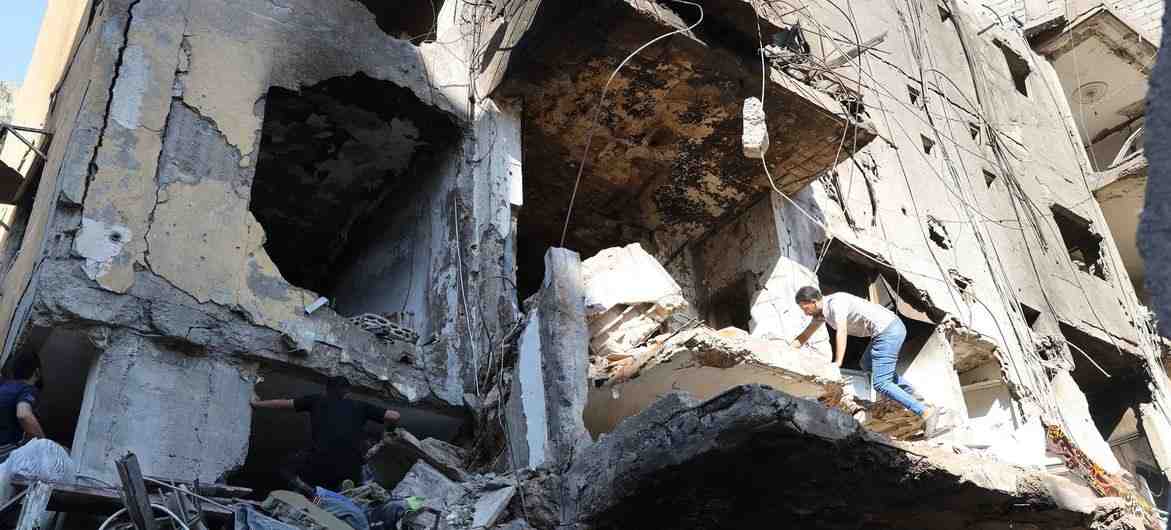
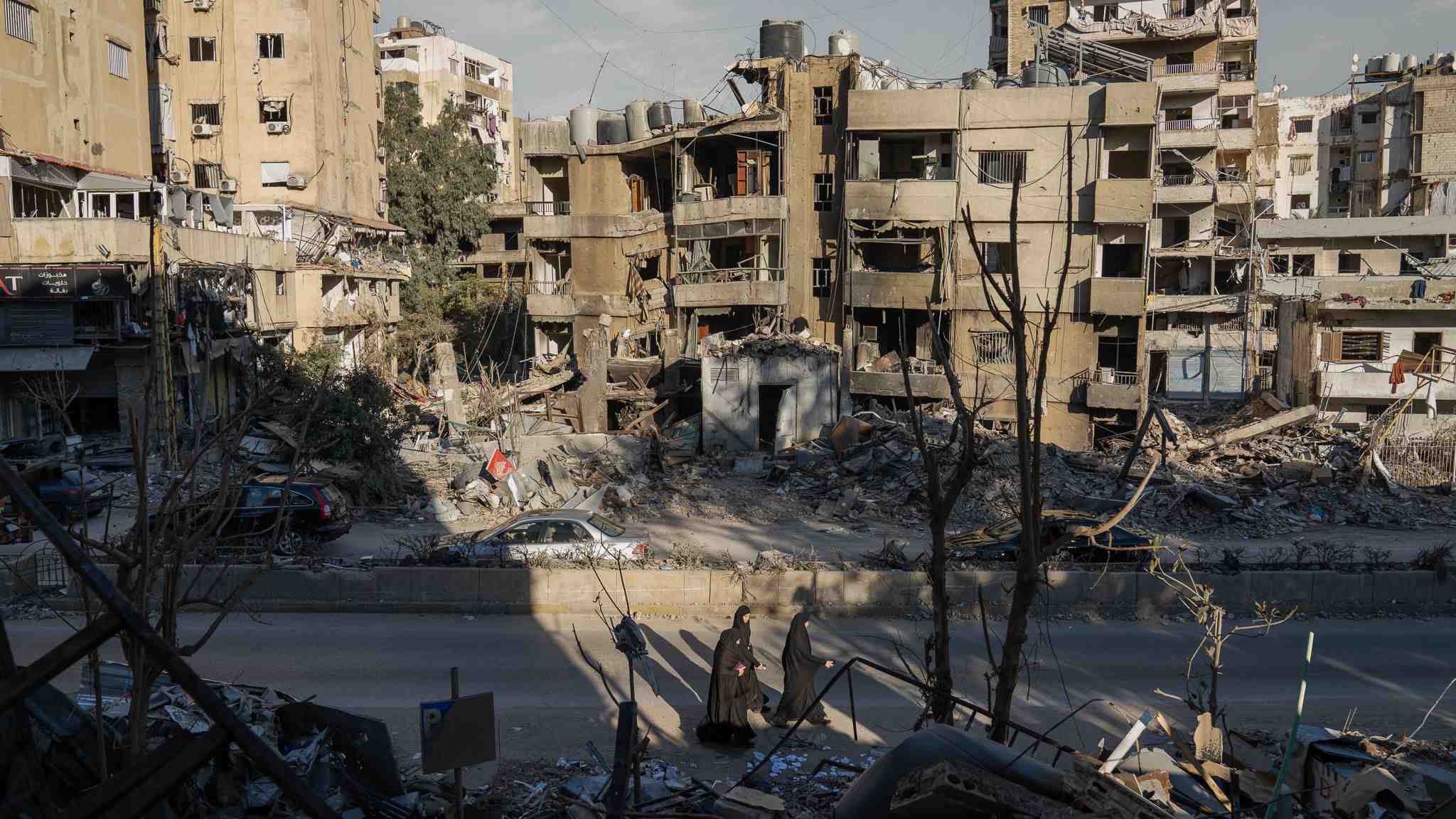
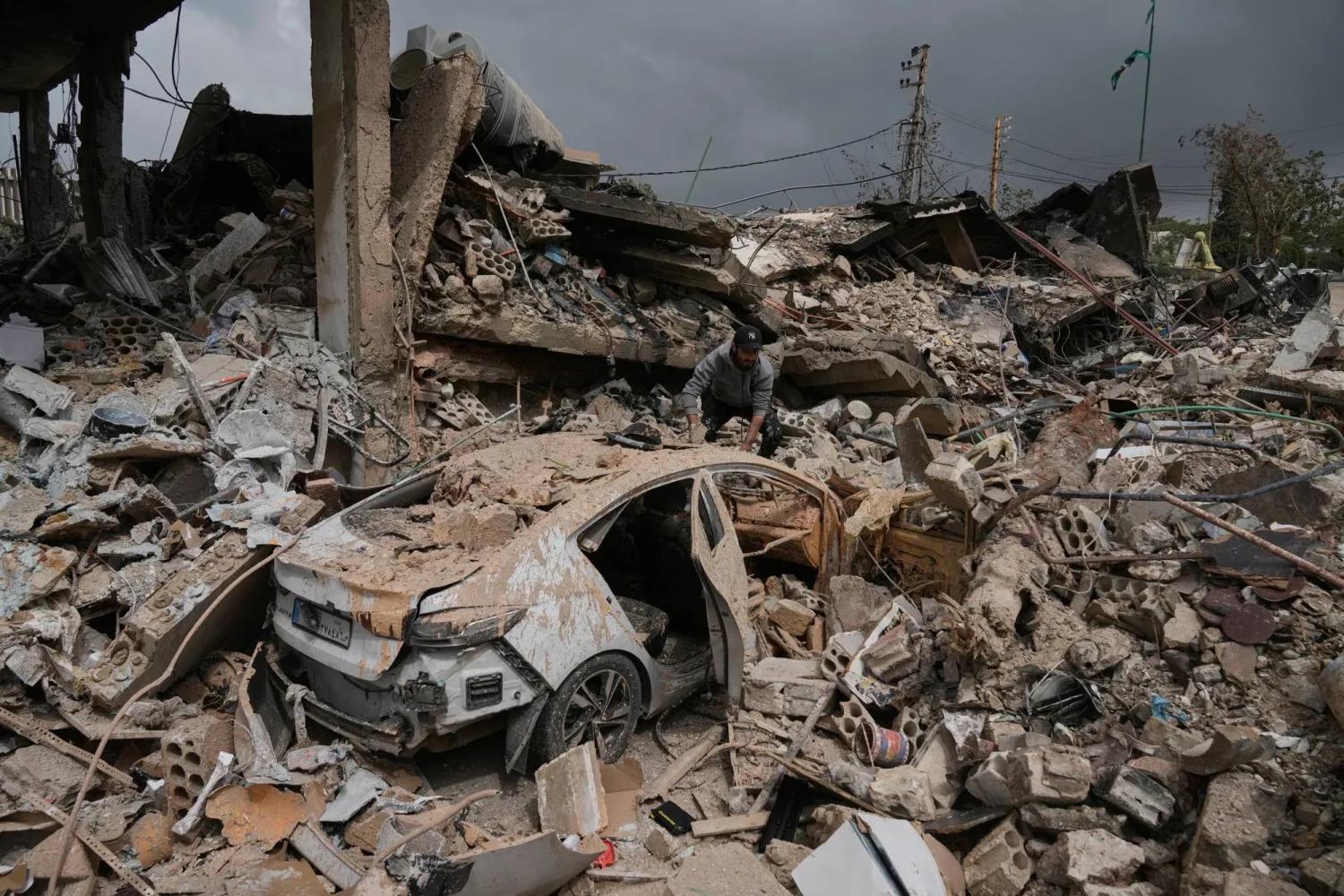
The escalation began on 2 March 2026, when renewed hostilities caused Lebanon’s most serious deterioration in security conditions since the November 2024 ceasefire.
Prolonged Displacement
Within days, hundreds of thousands of people were forced to flee their homes, while repeated ceasefire announcements failed to halt violence and displacement.
The prolonged displacement has shifted humanitarian needs beyond emergency shelter. Assessments found that displaced families outside collective shelters are facing increasing financial pressure, with rent costs emerging as a major concern. Cash assistance, particularly support for rent and basic needs, was identified as a priority in many affected areas.
Water Systems Under Pressure
Water systems remain under significant pressure, with damage to infrastructure and rising demand threatening access to safe water for millions of people.
Around 700,000 displaced people are concentrated in five districts already hosting approximately 1.4 million Lebanese residents, placing additional strain on aging water networks.
Millions At Risk of Food Insecurity
Food insecurity is also worsening. According to the latest Integrated Food Security Phase Classification (IPC) analysis, around 1.24 million people are projected to face crisis or emergency levels of acute food insecurity between April and August 2026.
The revised Flash Appeal complements the 2026 Lebanon Response Plan, which remains the main framework for humanitarian and stabilization efforts led jointly with the Government of Lebanon.
The Ministry of Social Affairs continues to coordinate the government-led emergency response, including shelter management, support for public services, and mobilization of civil defence, municipalities, and disaster response teams.