




WORLD - For decades, governments have relied on Gross Domestic Product (GDP) as the primary measure of economic success. However, GDP was never designed to capture broader aspects of human well-being, equity, environmental sustainability, or resilience.
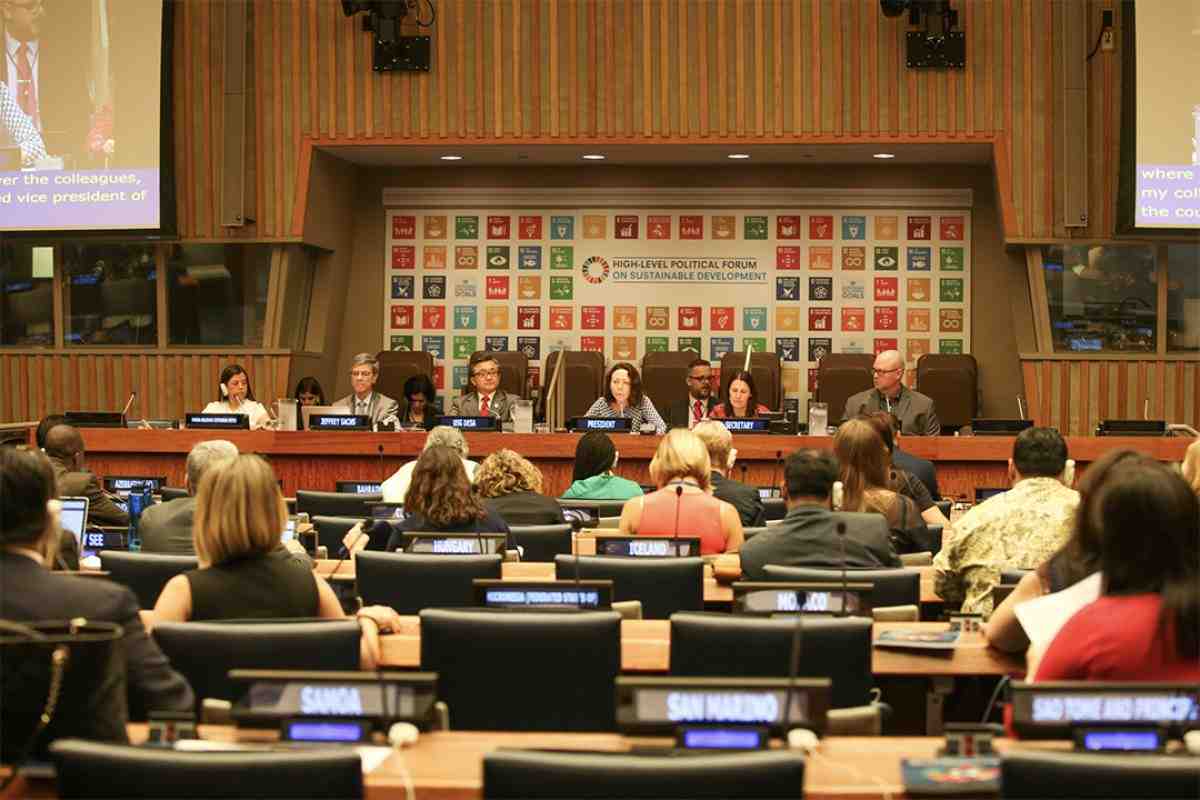
As a result, economic growth can coexist with rising inequality, poor health outcomes, and environmental degradation. The discussions at the 2026 United Nations High-Level Political Forum (HLPF) highlighted growing recognition that measuring progress differently is essential if governments are to address contemporary global challenges more effectively.
Complementary Frameworks
Two recent initiatives represent a significant step toward redefining economic governance. The United Nations High-Level Expert Group’s Beyond GDP report proposes a multidimensional framework that includes well-being, sustainability, resilience, and equity into national measurement systems. It seeks to integrate these indicators into budgeting and policymaking rather than treating them as supplementary statistics.
Similarly, the World Health Organization’s draft Economics of Health for All strategy argues that health and well-being should become central objectives of economic policy.
Rather than viewing health as a by-product of growth, the strategy emphasizes the role of taxation, trade, labor markets, and industrial policy in directly shaping population health outcomes.
Together, these frameworks aim to align how progress is measured, how policies are designed, and how resources are allocated.
Bridging the Gap Between Measurement and Policy
A key strength of these initiatives is their recognition that changing indicators alone is insufficient. Previous attempts to move beyond GDP often generated new dashboards without influencing decision-making processes.
The political and institutional dominance of GDP remains deeply embedded in international financial systems, credit assessments, investment decisions, and public discourse.
The Beyond GDP report addresses this challenge by advocating for the inclusion of broader indicators in international financial institutions’ lending and debt assessment frameworks.
Meanwhile, WHO promotes whole-of-government approaches that encourage collaboration among finance ministries, health agencies, and private-sector actors. This integration helps bridge the traditional divide between measurement reform and policy reform.
Implications for Global Development and Health
The convergence of these agendas has important implications for international cooperation. Historically, public health and economic development have operated in separate policy spheres, despite widespread acknowledgment that health is a fundamental driver of development.
The recent Ebola outbreak in the Democratic Republic of Congo demonstrates how weak health systems, economic pressures, and inadequate international coordination can reinforce one another.
By linking health outcomes with broader development goals, these frameworks could reshape how development finance is distributed, how risks are managed, and how global public goods, such as climate stability, infrastructure, and health security, are funded. The HLPF discussions underscored that closing gaps in cooperation and implementation is as important as addressing financing shortages.
A Transformation in Global Governance
The growing alignment between the UN’s Beyond GDP agenda and WHO’s Economics of Health for All strategy signals a potential transformation in global governance.
Moving beyond GDP is no longer solely about improving measurement; it is about reorganizing economic systems around well-being, sustainability, and equity.
If successfully implemented, these frameworks could provide the foundation for a new generation of well-being economies that prioritize what truly matters for people and the planet.