






LEBANON - On July 31, the Lebanese Ministry of Education and Higher Education introduced a Learning Continuity Plan for the 2026-2027 academic year. The initiative aims to help students continue learning despite the disruptions the country has faced in recent years, from economic hardship to conflict.
The announcement comes at a time when the global education community is sounding the alarm. UNESCO's 2026 Global Education Monitoring (GEM) Report warns that the world is not on track to achieve Sustainable Development Goal 4 (SDG 4): ensuring inclusive, equitable and quality education for all by 2030.
So, what does the report reveal, and where does Lebanon stand?
What is SDG 4?
Adopted by all United Nations member states in 2015, the Sustainable Development Goals are a set of 17 global targets designed to improve people's lives and protect the planet by 2030.
SDG 4 focuses on education. It calls for every child to have access to free, quality primary and secondary education, equal learning opportunities regardless of gender or background, improved literacy, qualified teachers and safe learning environments.
Education is also closely linked to the success of the other Sustainable Development Goals. Better education contributes to improved health, reduced poverty, gender equality, economic growth and stronger communities.
Why Does UNESCO Say the World Is Falling Behind?
According to UNESCO's latest GEM Report, progress in education has slowed considerably, leaving the world off course to meet its 2030 target.
While millions more children attend school today than two decades ago, significant challenges remain. Millions of children and young people are still out of school, and many who are enrolled are not acquiring basic reading and mathematics skills.
The report points to several reasons behind the slowdown, including armed conflicts, humanitarian crises, economic instability, widening inequalities and insufficient investment in education systems. Population growth in many countries has also made it more difficult for governments to expand access at the pace needed.
UNESCO warns that without stronger investment and sustained reforms, millions of children could continue to miss out on quality education long after 2030.
Years of Disruption
Lebanon's education sector has experienced repeated interruptions over the past several years.
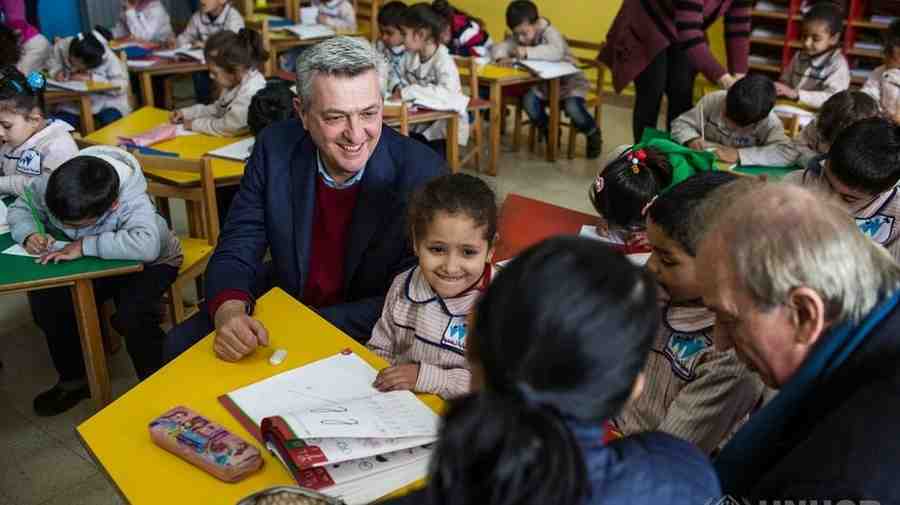
The country's financial crisis has strained public education, while teacher strikes, inflation and funding shortages have affected classroom learning. More recently, conflict and displacement have disrupted education for thousands of students, with some schools damaged or converted into shelters during periods of escalation.
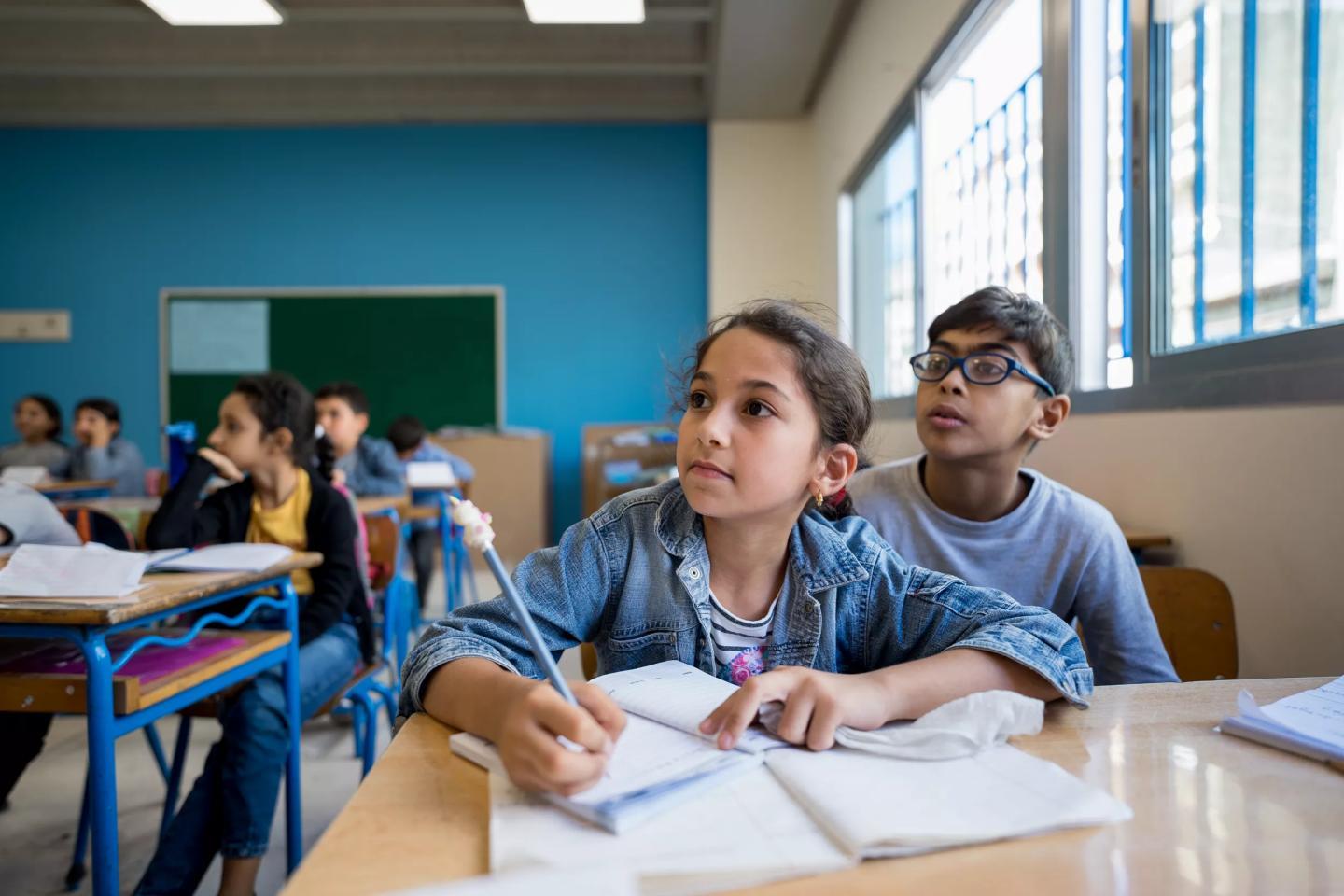
Despite these challenges, Lebanon continues to maintain relatively high school enrolment compared with many countries facing similar crises. However, ensuring that students remain in school and recover lost learning remains one of the country's biggest challenges.
Learning continuity has therefore become a key priority rather than simply reopening classrooms.
What Is Lebanon's New Learning Continuity Plan?
To help address these challenges, the Ministry of Education and Higher Education recently launched its Learning Continuity Plan for the 2026-2027 academic year under the theme "A School for Every Local Community, and a Learning Space for Every Learner."
The plan seeks to ensure that learning can continue even if schools face disruptions. Among its objectives are expanding access to education, making greater use of alternative learning spaces where needed, supporting vulnerable learners, and strengthening preparedness for emergencies.
Rather than responding only after disruptions occur, the initiative aims to build a more resilient education system capable of adapting to future crises.
The plan also reflects a broader shift seen internationally, where governments are increasingly designing education systems that can continue functioning during conflicts, natural disasters or other emergencies.
Can Lebanon Help Close the Gap?
UNESCO's report makes clear that improving access to education is only part of the challenge. Ensuring that children actually learn, remain in school and receive quality teaching is equally important.
Lebanon's Learning Continuity Plan represents one step towards protecting education during uncertain times. However, its success will depend on effective implementation, adequate funding, support for teachers and continued collaboration with international partners.
As the countdown to 2030 continues, Lebanon faces the same question confronting many countries around the world: how to ensure that every child not only returns to school, but receives the quality education needed to thrive.
Whether the country can turn recent reforms into lasting improvements may ultimately determine how closely it aligns with the global education goals UNESCO says remain increasingly out of reach.