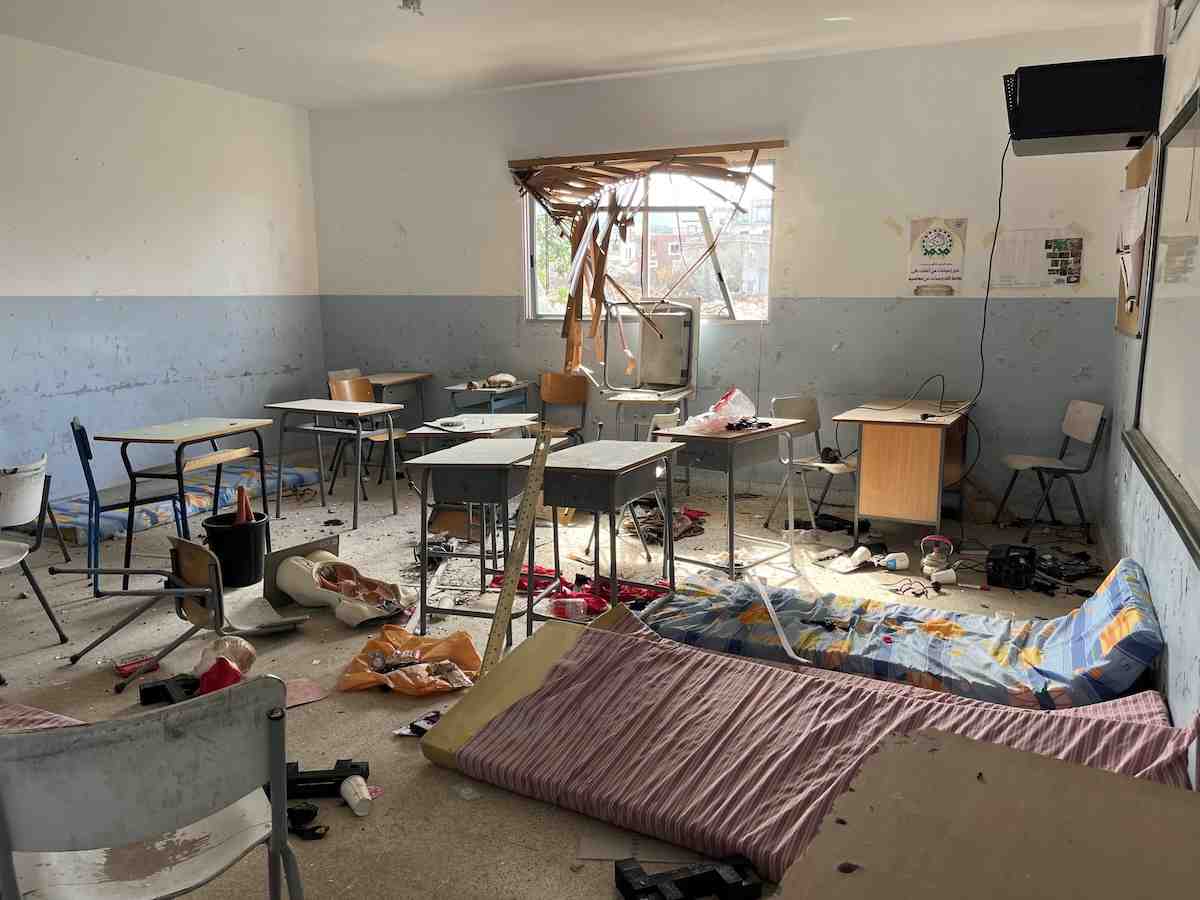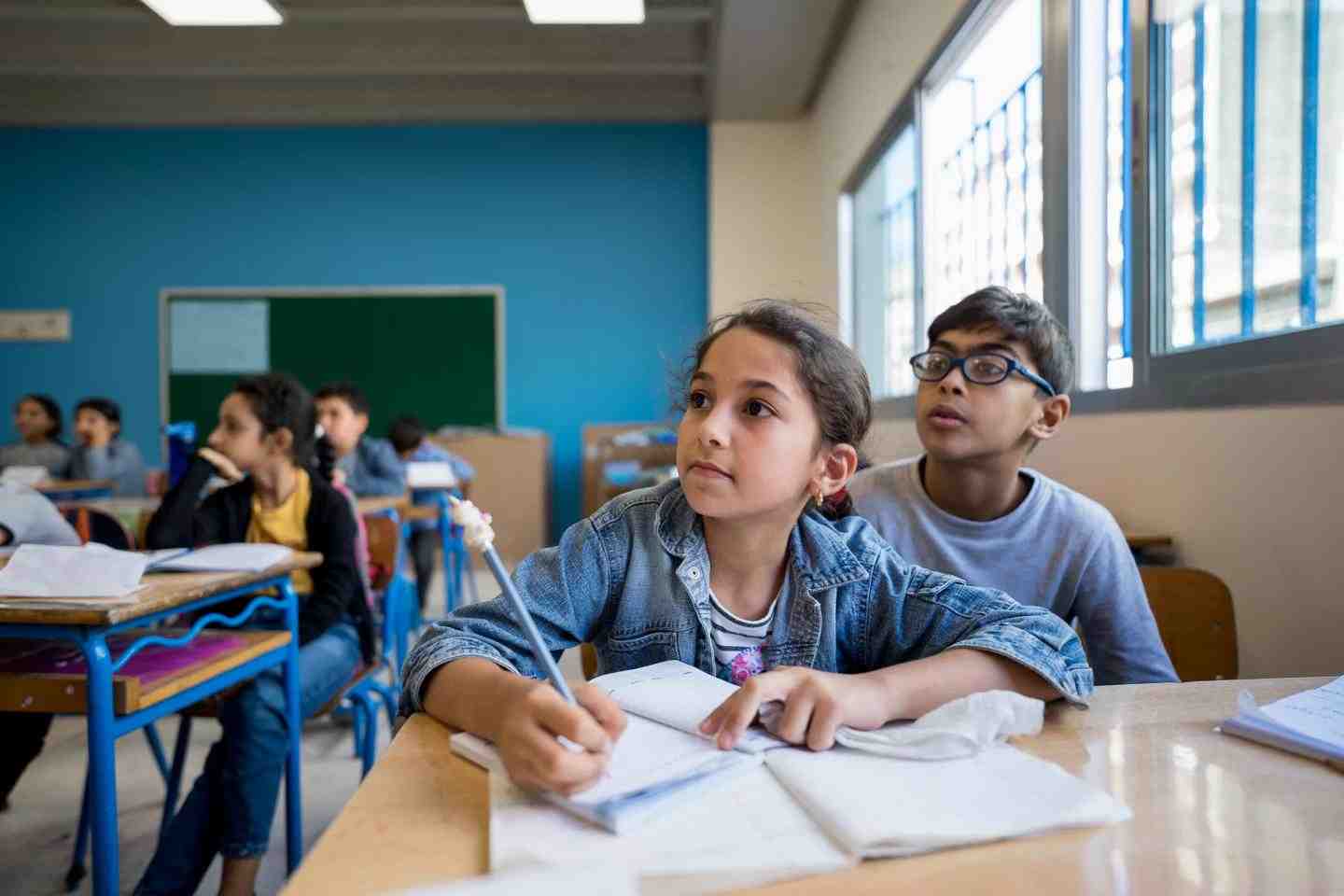








WORLD - The global education crisis is worsening as conflicts, displacement, climate shocks and prolonged emergencies disrupt learning for an estimated 258 million school-aged children and adolescents across 87 countries, according to the 2026 Global Estimates Report by Education Cannot Wait (ECW).
The report, titled “Breaking Barriers: Understanding Educational Exclusion in Crises,” found that 93 million children affected by crises are completely out of school, while another 165 million remain enrolled but face conditions that disrupt learning, slow academic progress and increase the risk of dropping out.
The number of crisis-affected children has increased by 21 million in just 18 months, reflecting the growing impact of conflicts and humanitarian emergencies on education systems worldwide.
Education Exclusion Concentrated in Major Crisis Zones
The report found that education exclusion is heavily concentrated in the world’s most severe crises, with nearly 80% of all out-of-school crisis-affected children living in only 20 countries.
These countries are home to 182 million crisis-affected children, including 74 million children who are entirely excluded from education.
Among the countries facing some of the largest education challenges are Afghanistan, Bangladesh, the Democratic Republic of the Congo, Ethiopia, Myanmar, Nigeria, Pakistan, Sudan and Yemen. Prolonged conflicts, displacement and economic instability have severely weakened education systems in these contexts.
Learning Losses Threaten Children’s Future
Beyond access to classrooms, ECW warned of a growing learning crisis, particularly among younger children who are unable to develop essential foundational skills during early years of education.
The report noted that missed learning opportunities can accumulate over time, increasing the likelihood that children will fall behind academically or leave school permanently, particularly as they enter adolescence.
The crisis also highlights major inequalities among vulnerable groups. Refugee and internally displaced children face some of the greatest barriers to education, while children with disabilities experience significantly higher exclusion rates compared with their peers.
Girls Face Additional Barriers in Crisis Settings
Girls remain among the groups most affected by education disruptions, particularly in countries where conflict and social restrictions limit their access to schools.
The report highlighted that displacement, poverty, gender-based violence and discriminatory norms create additional obstacles for girls’ education. Afghanistan remains one of the most severe examples, with girls continuing to face restrictions on secondary education.
Urgent Funding Needed to Prevent Permanent Exclusion
Despite the scale of the crisis, the report emphasized that families continue to value education even during emergencies. Financial hardship and school closures linked to conflict were identified as the leading reasons children leave education, accounting for nearly 80% of withdrawal cases combined.
ECW called for increased international investment in education during humanitarian crises, warning that insufficient support could deepen inequality and limit future economic and social development.
The organization stressed that sustained funding, stronger coordination and emergency education programs are essential to ensure that children affected by crises are not permanently denied their right to learn.