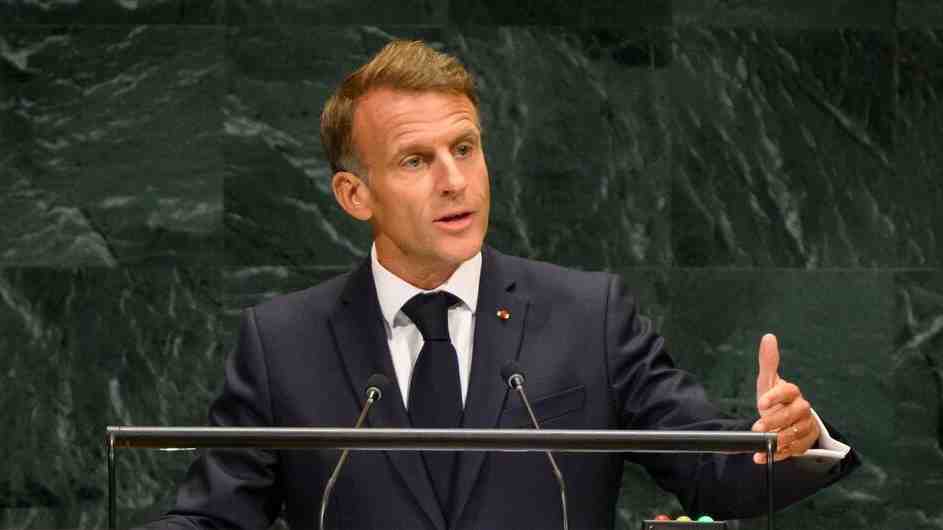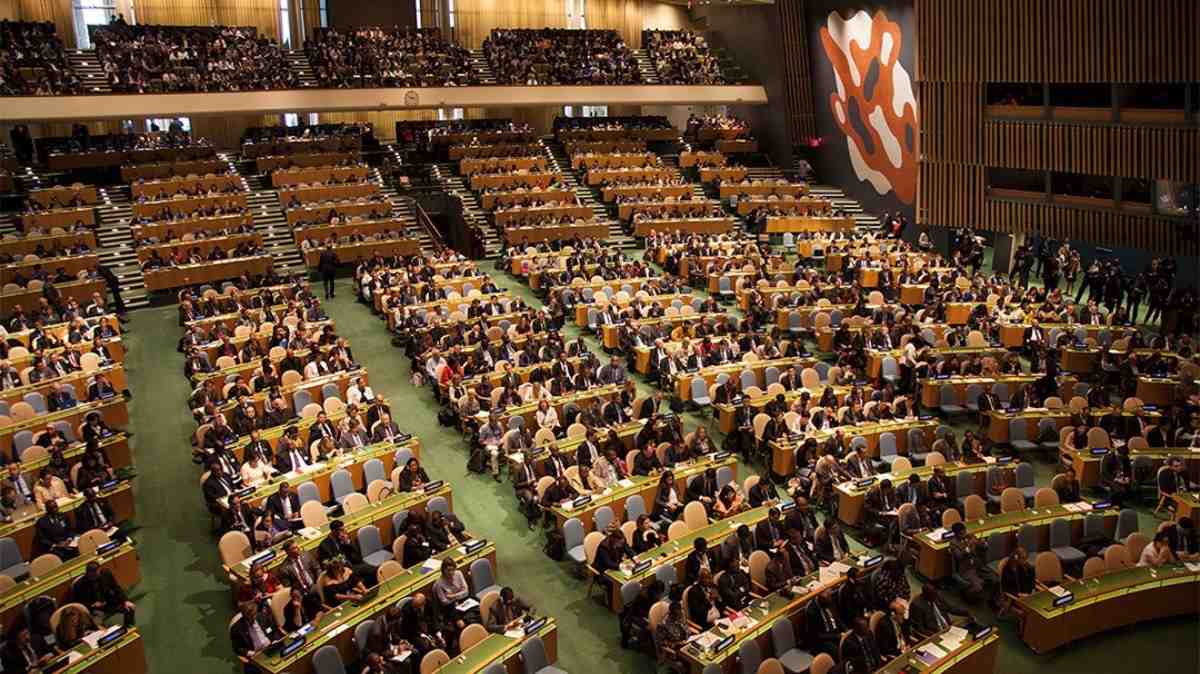








AMERICA - Prime Minister Nawaf Salam highlighted Lebanon’s efforts to rebuild public trust, strengthen institutions and support economic recovery during his address to the 81st United Nations General Assembly in New York.
Speaking during the General Debate, Prime Minister Salam said Lebanon’s recovery depends on rebuilding confidence in public institutions and creating better economic opportunities, particularly for younger generations.
Rebuilding Trust
“Trust rebuilt. Decision-making reclaimed. Land liberated. That is the equation for Lebanon’s recovery,” Prime Minister Salam said.
He said the trust Lebanon seeks to restore is not trust in political statements, but in institutions capable of protecting rights and delivering effective public services.
PM Salam also highlighted the importance of a functioning judiciary, saying confidence in the justice system is essential to restoring public trust.
He linked institutional reform to economic recovery, saying Lebanon needs an economy that can restore prosperity and provide young people with opportunities for a better future.
His remarks come as Lebanon continues efforts to address the economic and financial consequences of the country’s prolonged crisis, including reforms aimed at strengthening public institutions and restoring confidence in the economy.
Focus on Economic Recovery
PM Salam emphasized that institutional reform and economic recovery are closely connected.
Lebanon has been working with international partners on reforms intended to strengthen public finances, improve governance and address the country’s financial crisis.
The International Monetary Fund has also continued discussions with Lebanese authorities on an economic reform program, with reforms in the financial sector remaining an important part of efforts to restore economic stability.
For Lebanon, the prime minister said, rebuilding trust requires institutions that can provide greater predictability and create conditions for sustainable economic activity.
Climate Change and Equitable Support
PM Salam also addressed the global impact of climate change, highlighting the unequal effects of a crisis that affects countries differently.
“Climate change threatens the lives and livelihoods of millions,” he said, noting that countries that have contributed least to climate change can face some of its most severe consequences.
He called for greater attention to equitable climate adaptation, financing and technology transfer to help vulnerable countries respond to climate-related risks.
The issue is particularly relevant for developing countries, where limited financial and technical resources can constrain their ability to invest in climate resilience and adaptation.
Avoiding an AI Divide
Artificial intelligence was another major focus of Salam’s address.
He said the AI revolution is creating new opportunities for progress across different areas of life, while also raising questions about the future of work, human rights and fundamental freedoms.
PM Salam warned against allowing a new technological divide to deepen existing economic and development inequalities.
“Above all, we must not allow an artificial intelligence divide to emerge on top of the existing gaps in wealth and development,” he said.
His remarks placed access to technology, alongside climate finance and institutional development, within the broader question of how countries can ensure that technological and economic transformation benefits wider populations.
For Lebanon, the issues are also linked to the country’s efforts to strengthen its digital economy, improve opportunities for young people and support development through technology.
PM Salam’s address therefore connected Lebanon’s recovery priorities — institutional trust, economic opportunity and youth prospects with wider international discussions on climate resilience and the social impact of emerging technologies.