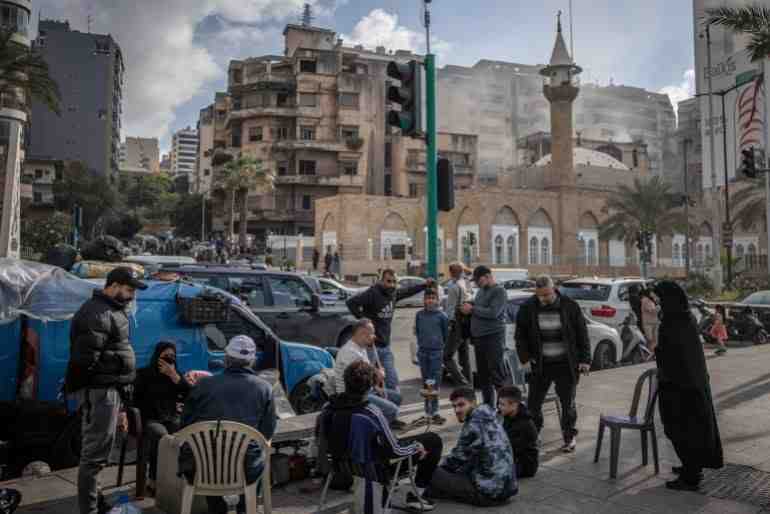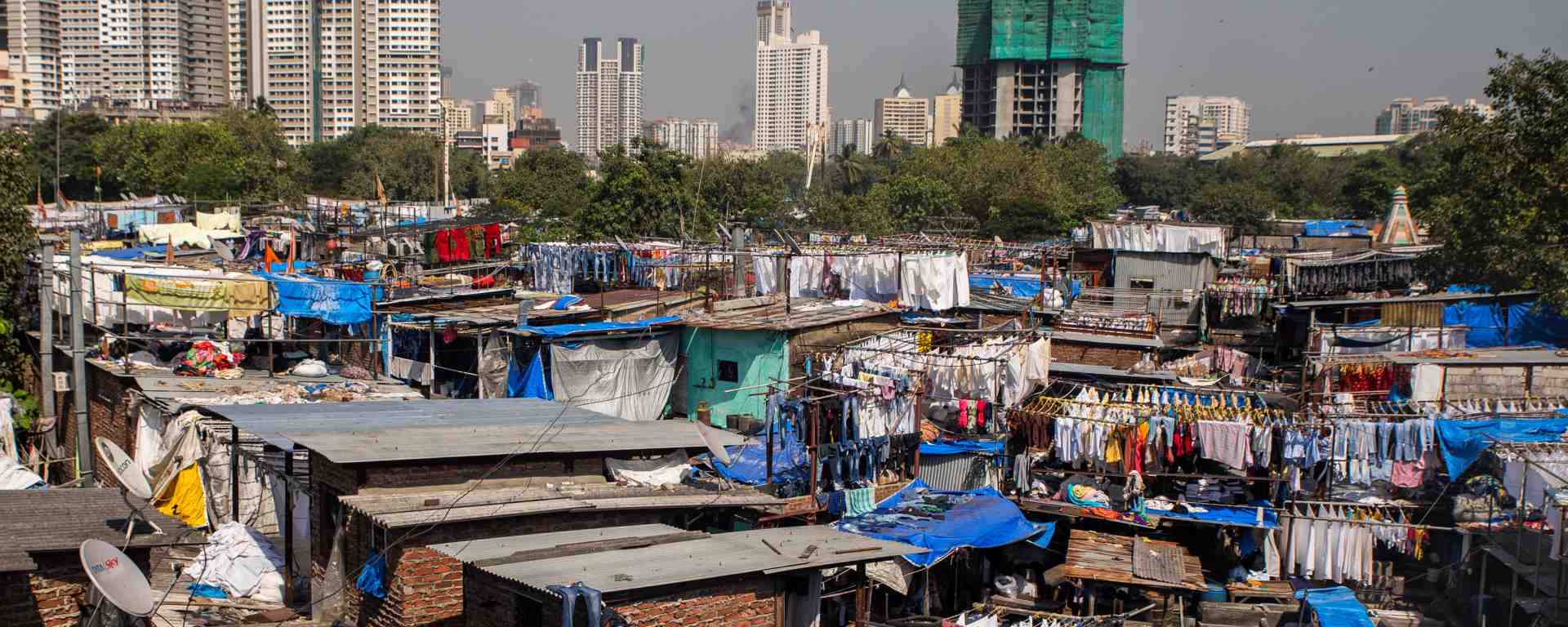








WORLD - Around 1.2 billion people across 108 countries live in acute multidimensional poverty, facing overlapping disadvantages in health, education and living standards, according to the United Nations Development Programme (UNDP) and the Oxford Poverty and Human Development Initiative (OPHI).
The Global Multidimensional Poverty Index (MPI) 2026: Statistical Update finds that 18.9% of the 6.3 billion people covered by the report experience these combined forms of deprivation. Among them, 534 million people face severe multidimensional poverty, experiencing deprivation across at least half of the index's weighted indicators.
The report also identifies 952 million people as vulnerable to multidimensional poverty, meaning they experience multiple disadvantages but do not meet the threshold for classification as poor.
What Is Multidimensional Poverty?
Unlike conventional poverty measures that focus primarily on income, the global MPI examines whether people experience overlapping disadvantages across several aspects of daily life.
Its 10 indicators cover nutrition, child mortality, years of schooling, school attendance, cooking fuel, sanitation, drinking water, electricity, housing and household assets.
A person is classified as multidimensionally poor when their household experiences deprivation equivalent to at least one-third of the weighted indicators. This approach provides a broader picture of poverty by identifying not only how many people are affected, but also the conditions shaping their lives.
Children and Rural Communities Face Greater Challenges
Children account for 51.5% of the global multidimensionally poor population, with 617 million children under 18 affected. Approximately one in three children experiences multidimensional poverty, compared with one in seven adults.
The burden is particularly pronounced in sub-Saharan Africa, where 355 million poor people are children. In the Arab States, children represent 56.6% of the multidimensionally poor population, despite accounting for 41% of the region's total population.
Geographical disparities are also significant. Rural areas are home to 998 million poor people, representing 83.3% of the global total. Poverty affects 28.7% of rural residents, compared with 7% of people living in urban areas.
Regional Disparities in Living Conditions
Sub-Saharan Africa has the highest incidence of multidimensional poverty, affecting 51.4% of its population, or 616 million people. South Asia follows, with 393 million people experiencing poverty.
The report identifies different patterns of deprivation across regions. In sub-Saharan Africa, limited access to clean cooking fuel is particularly widespread, affecting 600 million multidimensionally poor people. In South Asia, nutrition, housing and years of schooling account for substantial shares of global deprivation.
The findings also show that poverty is not confined to low-income countries. Approximately 65.1% of people living in multidimensional poverty reside in middle-income countries, including nearly 671 million people in lower-middle-income countries.
Progress Remains Possible
Despite the scale of the challenge, the report documents improvements in several countries. Of the 89 countries with comparable data over time, 76 recorded a statistically significant reduction in their MPI value during at least one observed period.
The findings underline the importance of addressing poverty through policies that improve access to essential services, education, healthcare and adequate living conditions. By measuring these overlapping disadvantages, the global MPI offers policymakers a tool to identify vulnerable populations and direct development efforts toward their specific needs.