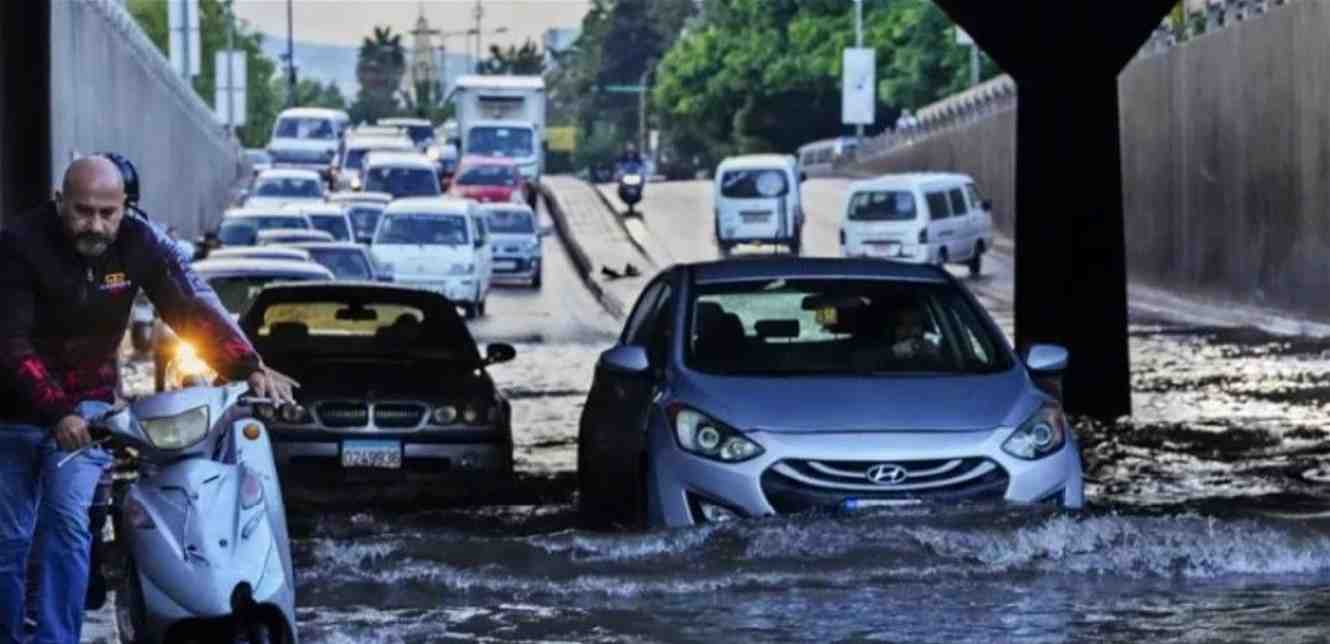





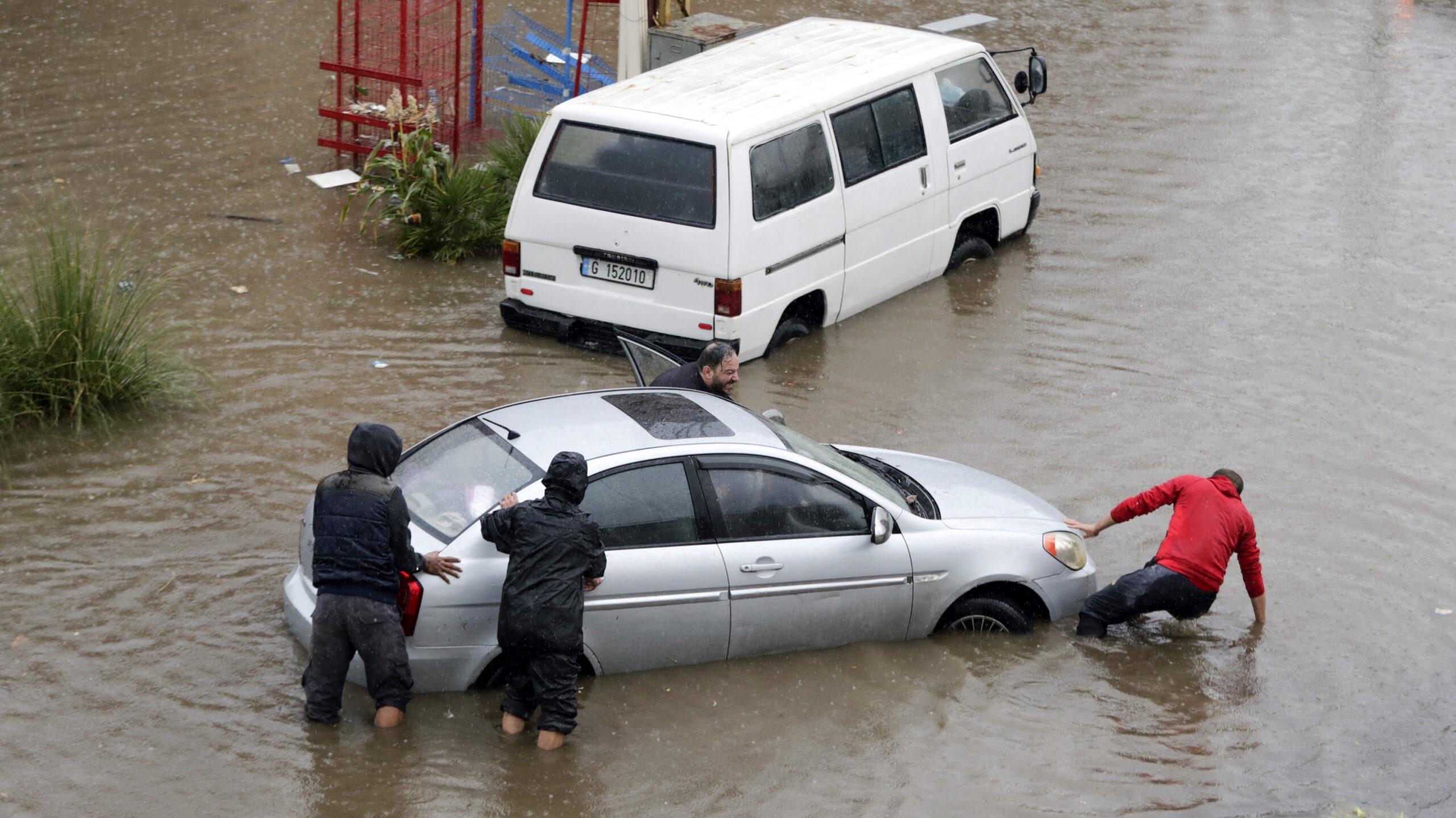
LEBANON - Heavy rain, floods, snowfall, and road closures are recurring features of Lebanon’s winter season. Yet their impact extends beyond temporary traffic disruption. Flooded or blocked roads can interrupt access to schools, healthcare facilities and workplaces, affect agricultural supply chains and businesses, and damage vehicles and public infrastructure.
The scale of this vulnerability was visible again in January 2026, when severe storms affected 727 households, or around 3,600 people, across 184 sites in Beirut and Mount Lebanon, North Lebanon and Akkar. The response also identified damaged infrastructure, overstretched municipalities, funding gaps, and limited household coping capacity as challenges.
Investing in More Resilient Roads
Lebanon has recently taken steps to address some of these vulnerabilities. Around one-third of the country’s 6,500-kilometre main road network remains in moderate to poor condition. By mid-2025, the World Bank-supported Roads and Employment Project, more than 530 km of roads have been rehabilitated and around 1,000 km maintained across 25 districts.
The works have included improved drainage and slope stabilization to reduce flood and landslide risks, while the Ministry of Public Works and Transport also received 10 snow blowers, 15 wheel loaders and five salt spreaders to strengthen winter response capacity.
Preparations have continued in 2026. In September, the Ministry of Public Works and Transport launched rehabilitation and paving works along the Hazmieh–Dahr El Baidar–Chtaura corridor, including sections between Hammana and Dahr El Baidar and toward Qab Elias.
At the same time, the Ministry began early winter preparations focused on cleaning and rehabilitating roads, channels, waterways, and stormwater drains before the rainy season.
Later that month, the Interior Ministry also instructed municipalities and municipal unions to rehabilitate rainwater networks, remove obstructions from drainage channels and riverbeds, and coordinate with national authorities and Civil Defense, reinforcing preparedness efforts at the local level.
From Plans to Preparedness
These infrastructure efforts sit alongside Lebanon’s 2025–2026 Winter Preparedness and Response Plan, which provides a framework for coordinating interventions across vulnerable areas and sectors during the winter season.
The remaining challenge is ensuring that preparedness becomes systematic: identifying high-risk roads, maintaining drainage networks, pre-positioning equipment, establishing clear responsibilities and coordinating municipalities, ministries and emergency services before severe weather arrives.
Learning from the Region
Regional approaches offer useful lessons. In Jordan, Petra and Wadi Musa developed a flash-flood early warning system combining meteorological monitoring, risk mapping and evacuation planning.
In Tunisia, flood preparedness increasingly combines infrastructure, early warning and institutional coordination. A US$50 million expansion announced in 2026 is expected to extend protection to more than 660,000 additional people.
Lebanon has begun investing in the right areas. The next step is connecting infrastructure, planning and coordination into a consistent cycle of prevention, so that winter becomes a season to prepare for rather than an emergency to repeatedly manage.