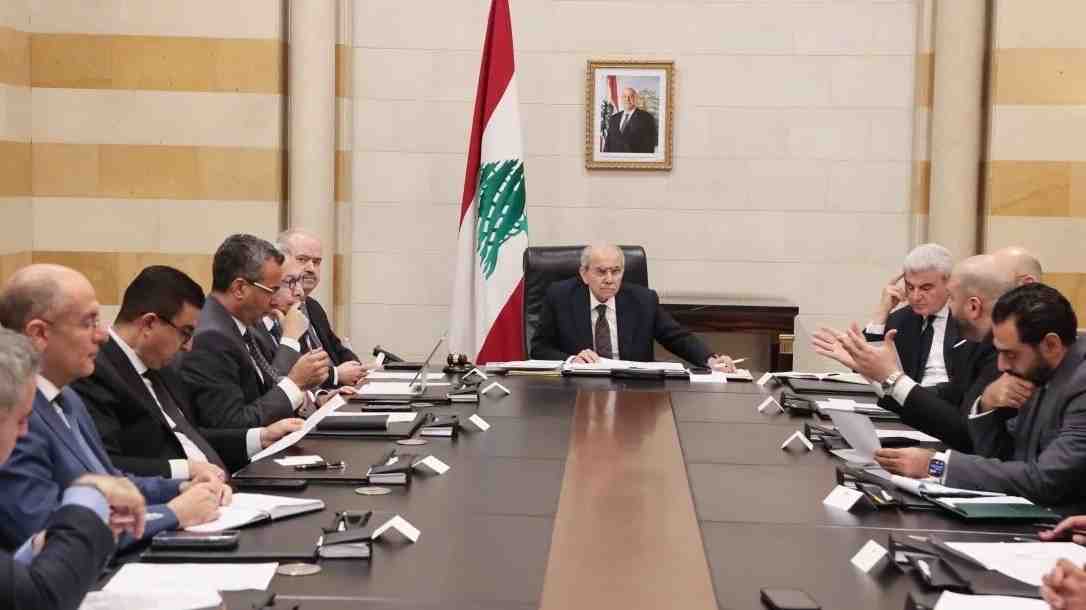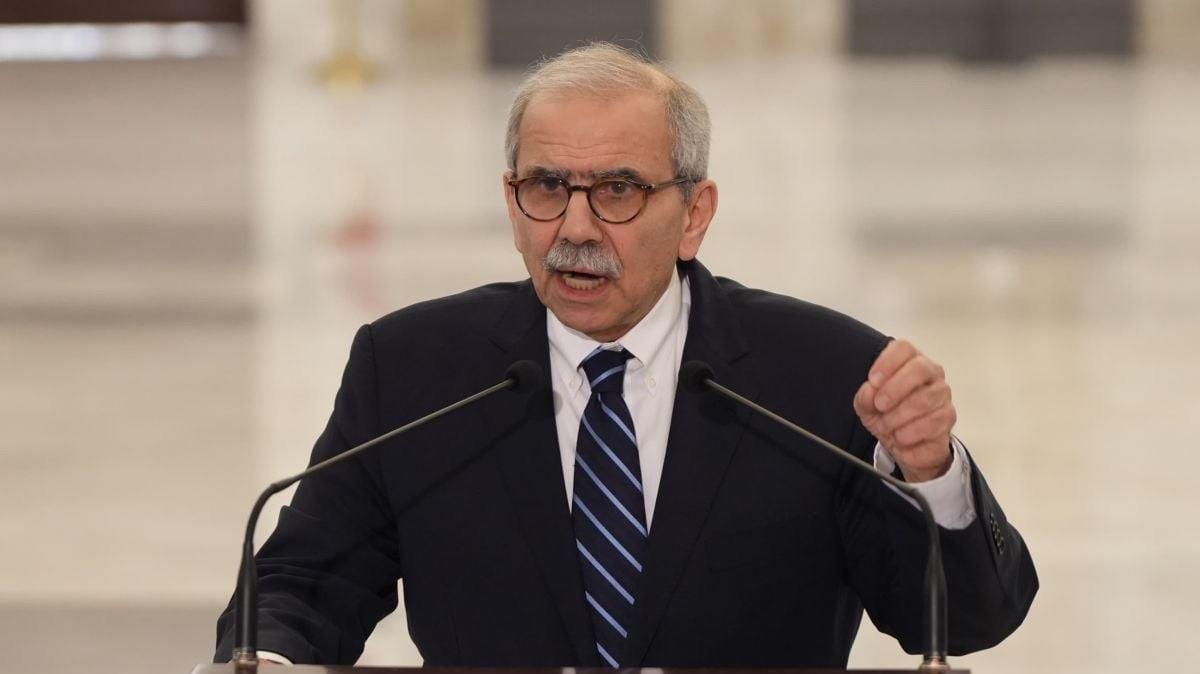
BEIRUT - Prime Minister Nawaf Salam launched Lebanon’s National Strategy for the Rights and Inclusion of Persons with Disabilities for 2026–2030 at the Grand Serail, calling for stronger institutional action to ensure equal rights, accessibility and participation.
The strategy, led by the Ministry of Social Affairs in partnership with the United Nations Population Fund (UNFPA) and the United Nations Economic and Social Commission for Western Asia (ESCWA), aims to translate Lebanon’s commitments to disability rights into concrete policies, reforms and programmes.
Approved by the Cabinet on February 26, the strategy was developed through consultations with organizations of persons with disabilities, public institutions and other stakeholders.
Bridging the gap between legislation and practice
At the launch ceremony, PM Salam described the strategy as a national commitment rather than a sector-specific initiative, saying that the protection of disability rights reflected the state’s responsibility to guarantee equal opportunities for all citizens.
He acknowledged that several provisions of Law No. 220 of 2000, which addresses the rights of persons with disabilities, remained unimplemented, stressing the need for legislative and institutional reforms.
PM Salam also highlighted the gap between rights recognized under the law and their implementation in everyday life, calling for stronger action to ensure that persons with disabilities could access public services on an equal basis.
Inclusion in recovery and public services
Referring to Lebanon’s successive crises, Salam said persons with disabilities had been particularly affected by barriers to healthcare, education, transportation and emergency services.
"Inclusion is part of recovery itself," he said, emphasizing that implementing the strategy was the responsibility of all ministries and public institutions.
He also called for continued participation by organizations of persons with disabilities in the strategy’s implementation, monitoring and accountability processes.
Implementation and accountability
The strategy was prepared by the Ministry of Social Affairs with the participation of disability organizations, partner organizations and relevant government ministries, with technical cooperation from UNFPA and ESCWA.
It is based on the principles of the United Nations Convention on the Rights of Persons with Disabilities, which Lebanon has ratified, and seeks to incorporate disability inclusion across economic, healthcare, social, educational, and political sectors.
According to the National Human Rights Commission, the strategy aims to promote an inclusive society based on equality and non-discrimination, while improving access to public spaces and services for persons with disabilities.
PM Salam stressed that the strategy's implementation would require coordinated efforts across state institutions, alongside meaningful involvement from disability organizations in monitoring progress and holding authorities accountable.
He said its success would ultimately depend on whether legislation, public budgets, institutions, and services were designed to accommodate all citizens, rather than requiring persons with disabilities to overcome barriers created by the system.