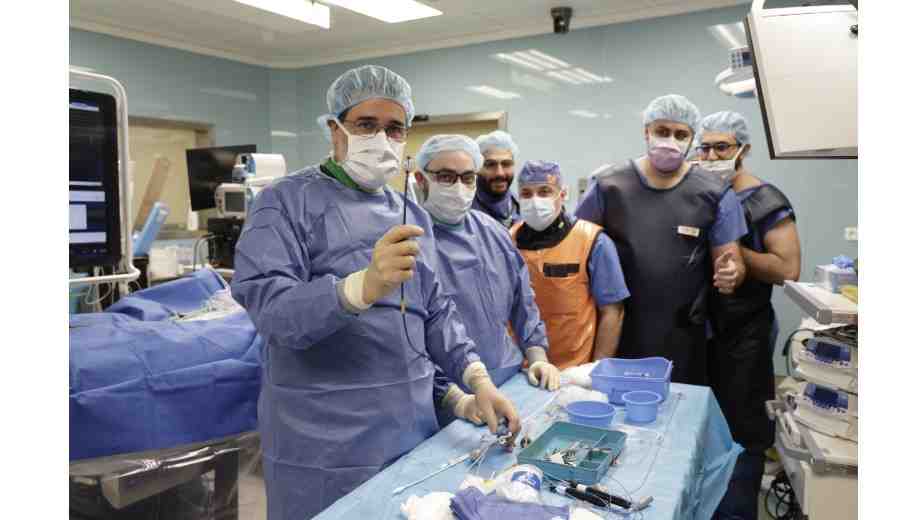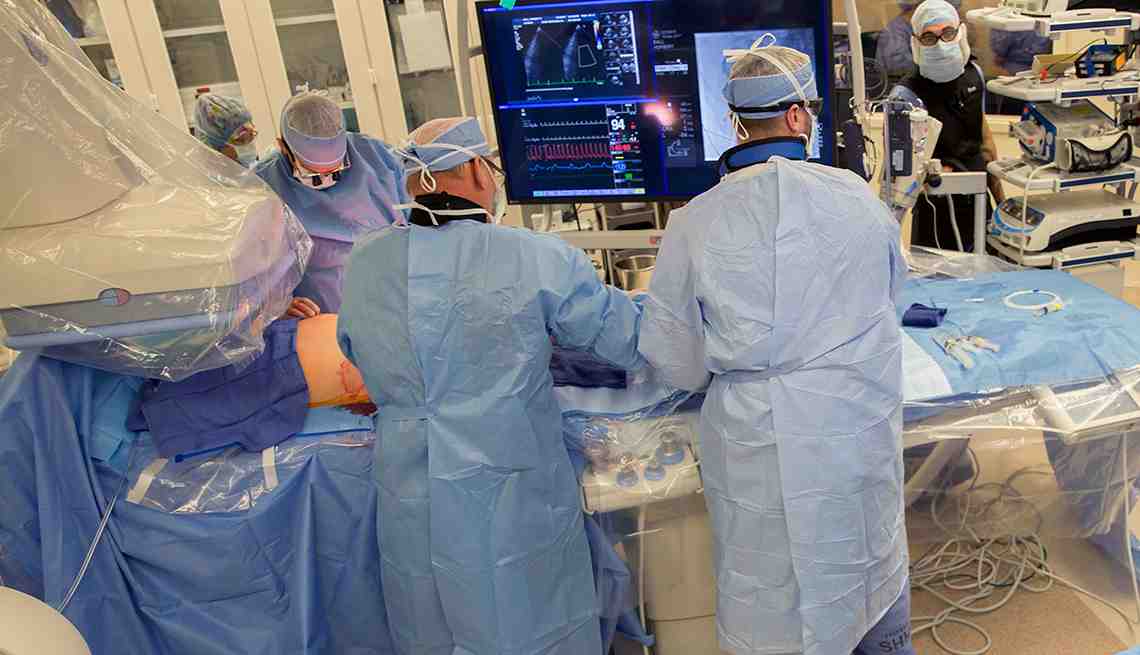








LEBANON - Robotic surgery is increasingly becoming part of modern surgical practice, offering new possibilities for precision, minimally invasive procedures and patient care. In Lebanon, the technology is gaining attention as hospitals and medical professionals explore its potential amid financial and logistical challenges.
For Dr. Bassel Abou-Zeid, Clinical Assistant Professor of Obstetrics and Gynecology, robotic surgery represents an important evolution in medicine, but one that must be accompanied by specialized training and a broader effort to make advanced surgical care accessible.
“Robotic surgery is no longer the future of surgery; it is the present,” he said.
Technology That Empowers the Surgeon
Despite its name, robotic surgery does not mean that a machine operates independently. The surgeon remains in control throughout the procedure, using a robotic platform that provides enhanced precision, three-dimensional visualization, greater dexterity and improved ergonomics.
Drawing on his experience practicing in the United States, where robotic surgery has been used in gynecology since 2005, Dr. Abou-Zeid described the technology as an established part of daily surgical practice.
In gynecology, minimally invasive and robotic-assisted procedures can be particularly valuable when surgical treatment requires careful tissue preservation, including in cases where fertility is a concern.
However, the technology does not guarantee better outcomes on its own. Dr. Abou-Zeid emphasized that surgical expertise remains central to successful treatment, regardless of the sophistication of the equipment.
Specialized training, simulation, mentorship, supervised surgical practice and multidisciplinary teamwork are essential to ensure that physicians can use robotic systems safely and effectively.
“Technology enhances surgical expertise but can never replace clinical judgment, anatomical knowledge and surgical experience,” he said.
The Question of Access
Introducing robotic surgery in Lebanon presents financial and logistical challenges, particularly in a healthcare system where access to specialized treatment can vary according to patients’ financial circumstances and geographical location.
Dr. Abou-Zeid argued that the cost of surgery should be assessed beyond the immediate expense, taking into account the potential consequences of treatment, including repeat interventions, prolonged hospitalizations, persistent pain and time away from work.
In gynecology, he noted, suboptimal surgery may compromise a woman’s fertility, potentially leading to additional treatment such as in vitro fertilization (IVF), with significant financial and emotional implications.
He also pointed to growing awareness of robotic surgery in Lebanon and the gradual expansion of insurance coverage for robotic procedures as encouraging developments.
Improving access, he said, does not necessarily require every hospital to acquire a robotic platform. Instead, regional hospitals, community physicians and specialized surgical centers can establish referral networks that connect patients with experienced surgeons.
“Improving access to robotic surgery does not necessarily mean having a robotic platform in every hospital, but ensuring that patients have access to the right surgeon, expertise and institution,” he said.
Looking Beyond the Operating Room
As robotic surgery develops, its potential extends beyond the operating room. Dr. Abou-Zeid pointed to artificial intelligence, digital surgery and telesurgery as areas that could shape the next stage of surgical practice.
For Lebanon, the challenge will be to adopt these advances while ensuring that patients can access appropriate care regardless of their financial circumstances or geographical location.
He also highlighted the importance of developing local expertise, particularly through medical education and research. LAU’s new robotic surgery program, which integrates the technology into an academic medical institution, offers opportunities to train students and residents and explore future surgical innovations.
Ultimately, Dr. Abou-Zeid believes that technological progress must remain grounded in surgical expertise and patient care.
“The conversation should not simply be about how much surgery costs today, but how much a well-performed surgery can save the patient and the healthcare system in the long term.”
As robotic surgery becomes more established in Lebanon, its success will depend not only on technological advancement, but also on the ability to make specialized expertise and high-quality care more accessible. The challenge ahead is to ensure that innovation translates into meaningful benefits for patients, wherever they live and whatever their financial circumstances.