






WORLD - In 2025, global military spending reached $2.88 trillion, according to the Stockholm International Peace Research Institute. That represents a 2.9 percent increase from the previous year, continuing an upward trajectory that has brought defence budgets to their highest level in modern history.
On average, this means the world now spends about $350 per person annually on the military. This is a figure that raises a broader question: as security budgets expand, what happens to investment in healthcare, education, and social development?
A Rise Caused by Overlapping Global Conflicts
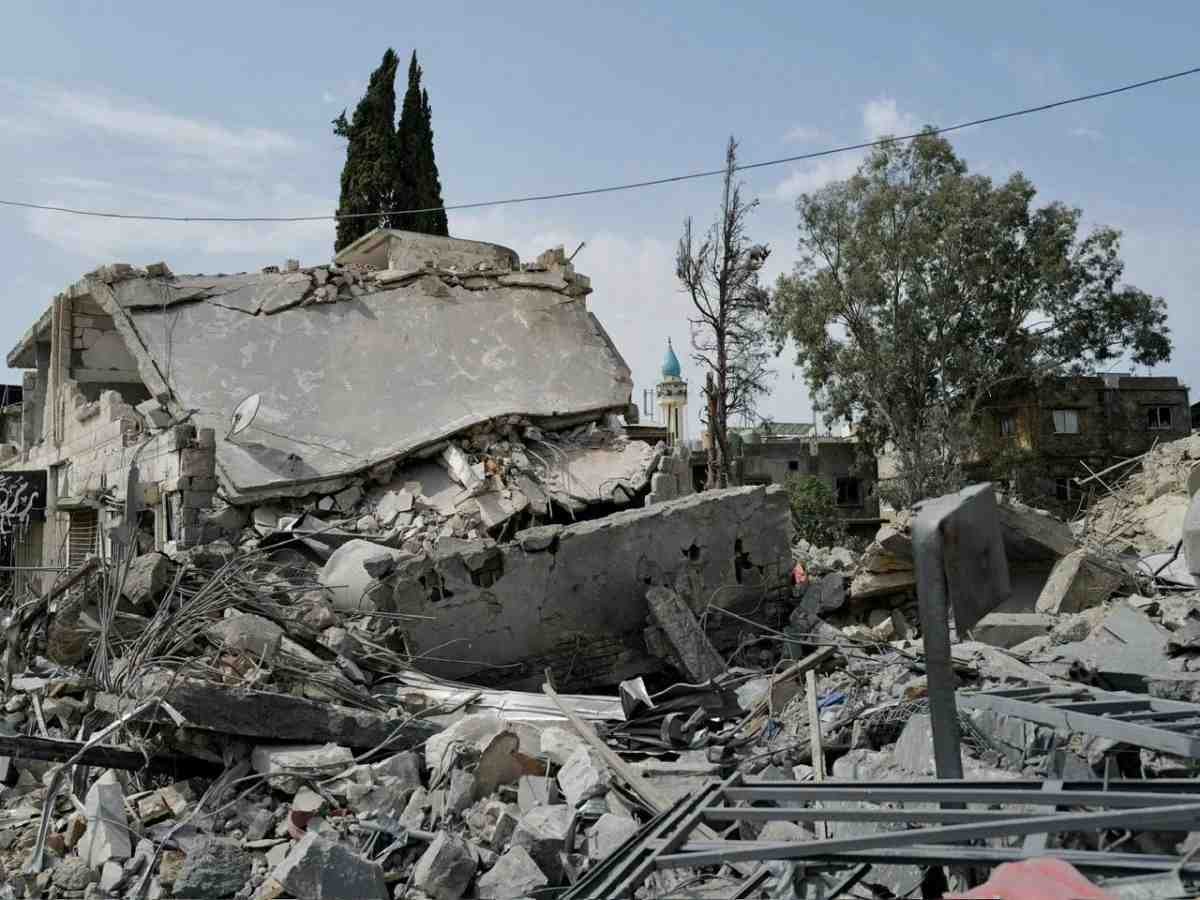
The steady rise in military expenditure is not happening in isolation. It reflects a world shaped by multiple simultaneous conflicts and geopolitical tensions, from the war in Ukraine to the Gaza conflict, alongside rising strategic competition in Asia and ongoing NATO rearmament commitments.
Over the past decade, global military spending has increased by more than 40 percent, rising from roughly $1.69 trillion in 2016 to $2.88 trillion in 2025.
Historically, these surges tend to follow conflict cycles: sharp increases during wars and arms races, followed by brief stabilisation periods that rarely return to previous lows. Recent figures suggest that the spike is not temporary, but suggestive of a cycle of militarization.
Defence Budgets Remain Concentrated
Despite the global nature of the trend, military spending remains highly uneven.
The United States continues to dominate global defence expenditure at $954bn, followed by China ($336bn), Russia ($190bn), Germany ($114bn), and India ($92bn). Together, these five countries account for 58 percent of total global military spending.
The US alone spends more than the next six countries combined, a pattern that has persisted since the end of World War II. This concentration of spending reinforces the central role of a handful of states in shaping global security dynamics, arms production, and military innovation.
What About Healthcare and Education Budgets?
While military spending rises, governments face a structural constraint: public budgets are finite.
Across 137 countries analysed, 114 prioritise healthcare spending over other sectors, while only 14 prioritise education, and just 9 prioritise the military as their largest allocation relative to GDP.
This distribution highlights a persistent global imbalance — but also a growing tension. As defence budgets expand, governments in many regions are forced to either increase borrowing, raise revenue, or reallocate funds away from social sectors.
In practical terms, rising military expenditure can mean slower growth in public healthcare systems, underfunded education infrastructure, and reduced fiscal space for long-term development.
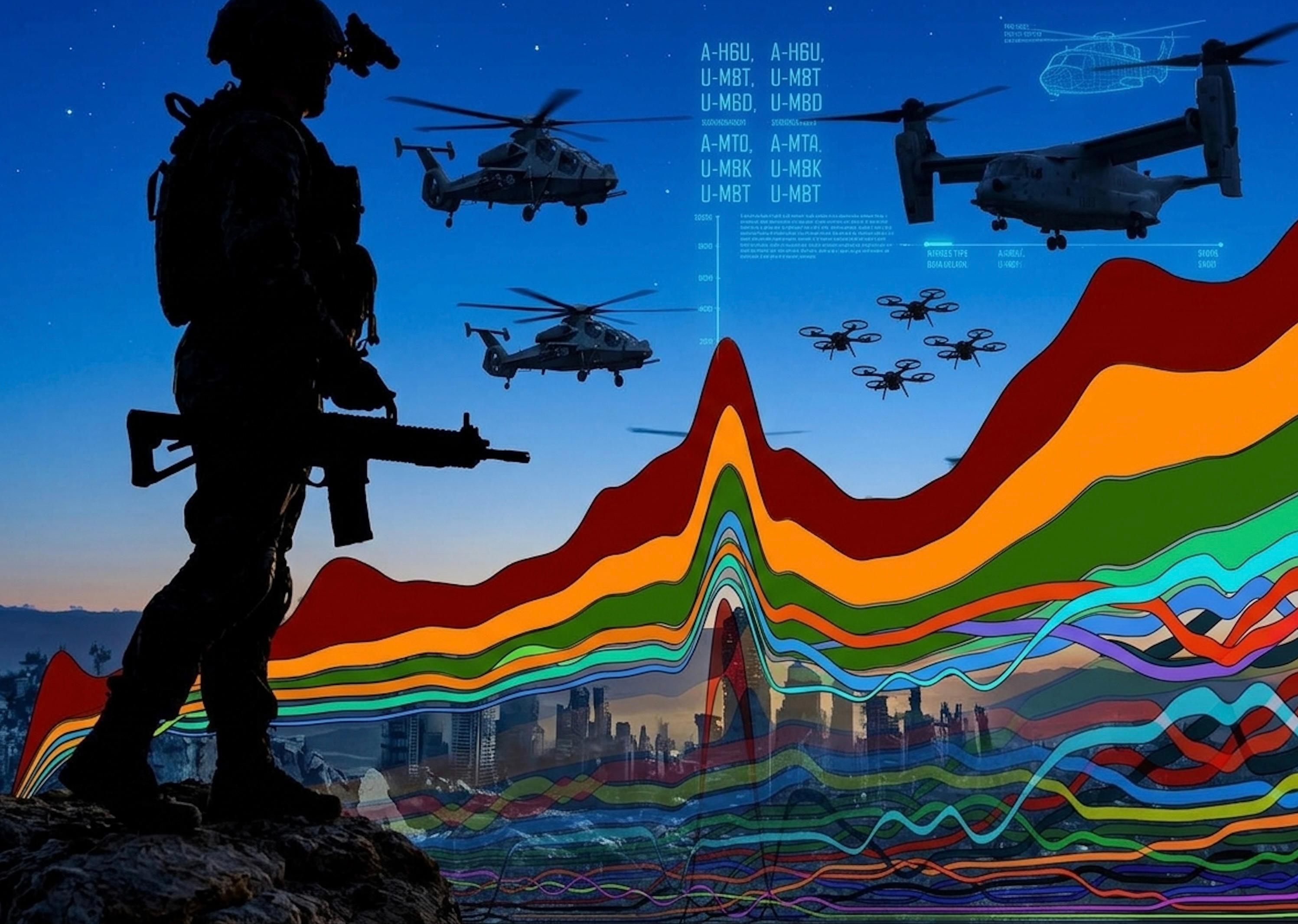
The nature of military spending is also shifting. Modern defence systems are increasingly defined not just by physical weapons, but by digital infrastructure.
Artificial intelligence, autonomous systems, cyber warfare capabilities, and satellite-based surveillance are becoming central components of military strategy. This shift is also deepening ties between governments and private technology firms, blurring the line between civilian innovation and defence systems.
The result is a form of militarisation that is less visible than traditional arms buildups, but potentially more embedded in everyday digital infrastructure.
A Structural Question
The rise to $2.88 trillion in global military spending reflects more than a response to current conflicts. It signals a broader reordering of global priorities.
As governments continue to expand defence budgets, the underlying question becomes less about the size of military spending and more about its opportunity cost.
In a world of competing demands, the key tension is increasingly clear: whether rising security concerns will continue to come at the expense of healthcare systems, education investment, and long-term social development.