






Lebanon- On World Zoonoses Day on July 6th, we spoke with Mélya Hamdoun, winner of Enmaeya's Youth Blog Competition, about her award-winning article "The Silent Guardians: Why My Path to Vet Med is a Journey for Our Planet."
Mélya does not write as a veterinarian or public-health specialist. She writes as a young person considering veterinary medicine as a future career and reflecting on what she has observed in her own community.
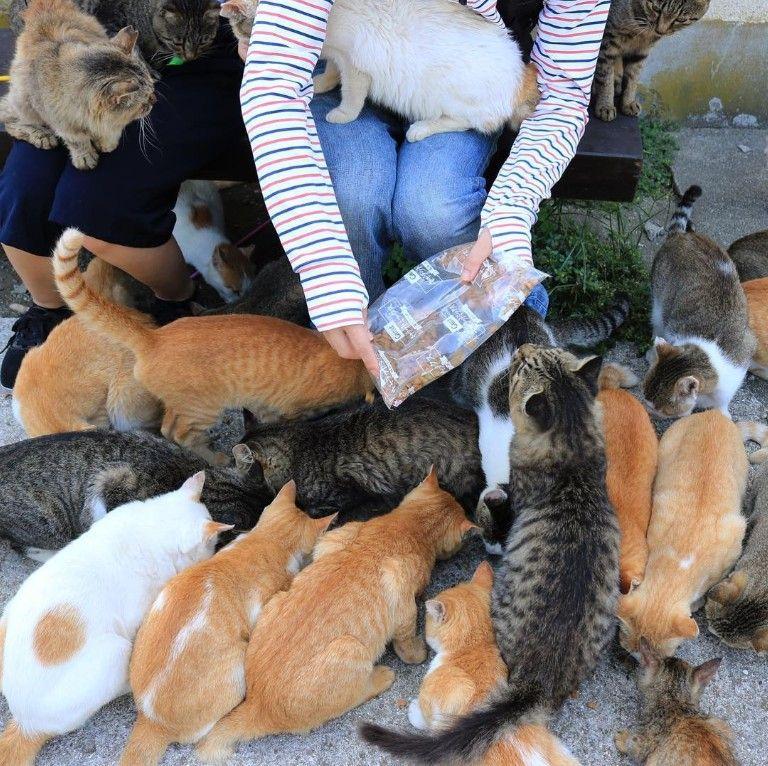
For Mélya, the road to veterinary medicine didn't begin in a classroom. It began on a cold night, watching a stray cat huddle outside during a harsh winter storm.
That single image became the moment she understood, in a very personal way, just how tightly the lives of humans and animals are woven together.
That instinct turns out to be backed by hard science. Zoonotic diseases, illnesses that jump from animals to humans, account for over 60% of all known infectious diseases. And a striking 75% of new or emerging diseases originate in animals.
Managing that risk effectively requires what public health experts call a One Health approach: an integrated framework that treats human health, animal health, and environmental health as inseparable parts of the same system.
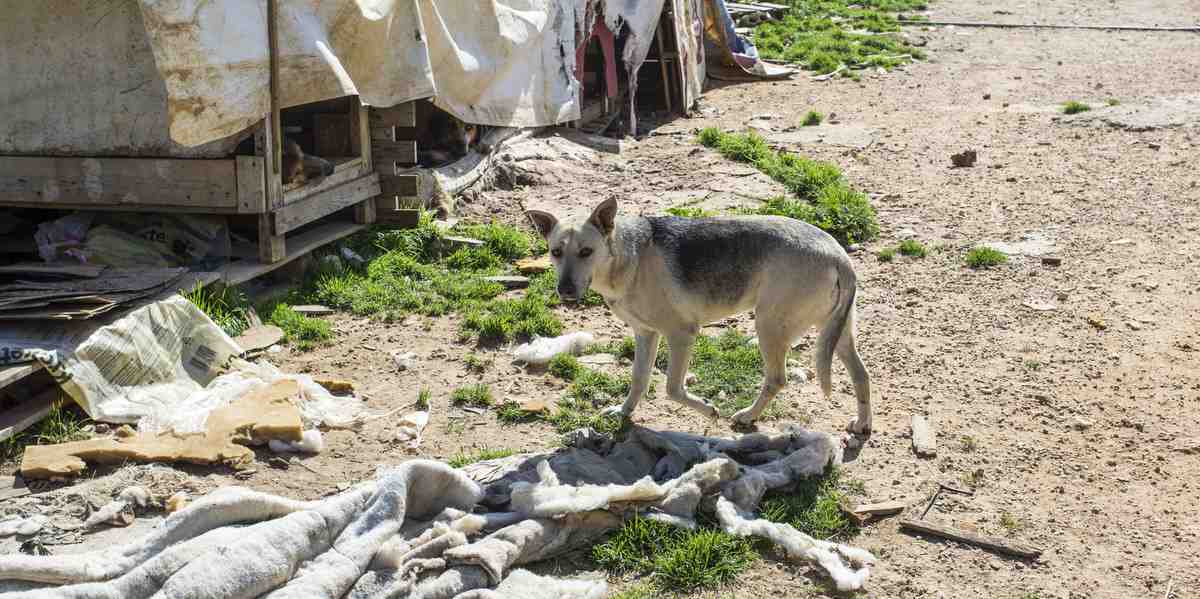
Mélya arrived at this same conclusion simply by watching the strays in her own neighborhood. "If stray animals are becoming sick more often, suffering from skin diseases, or struggling to find clean food and water, it can indicate pollution, poor waste management, or other environmental issues."
When Garbage Piles Up, So Does the Risk
During Miss Hamdoun’s observations, she noticed how poor disposal of garbage was affecting stray animals, citing it as a primary concern in her neighborhood. Overflowing garbage draws stray cats and dogs in search of food, exposing them to pathogens they can later pass on to humans.
This isn't hypothetical for Lebanon. During the country's 2015 garbage crisis, when uncollected waste piled up in the streets for months, researchers recorded a sharp jump in reported animal bites, nearly tripling from roughly 355 to over 1,000 per year.
Garbage dumps became breeding grounds for stray dog populations, and public health researchers have since flagged Lebanon's waste management as a genuine driver of rabies risk in the country, made worse by cross-border movement of animals from neighboring rabies-endemic areas.
It's a vivid, local illustration of exactly the connection Mélya describes: neglect the waste, and you multiply the exposure for animals and people alike.
Vets as the Planet's First Responders
Mélya's article frames veterinarians almost like detectives, reading clues that the rest of us miss. “These signs can serve as early warnings that something in the environment is changing. Veterinarians can recognize these patterns and help identify risks before they become larger public-health problems.”
This reflects Mélya’s emerging understanding of the profession she hopes to enter. It is also supported by established research on animal-health surveillance.
This early-warning role is highly effective. Public health teams that combine animal surveillance with rapid responses have used exactly this kind of pattern recognition to catch outbreaks before they spread widely.
The Case for Vaccinating, Not Just Loving, Your Pet
For Mélya, responsible pet ownership goes well beyond a bowl of food and a warm bed. "I wish more people understood that responsible pet ownership goes beyond providing food and shelter. It includes regular veterinary care, vaccinations, parasite prevention, proper waste disposal, and respecting wildlife."
The data backs her up unambiguously, especially when it comes to vaccination. Rabies remains almost entirely preventable, yet it still kills tens of thousands of people worldwide each year, the overwhelming majority through dog bites.
When public health teams in Tanzania's Moshi district ran a coordinated mass-vaccination campaign covering nearly 30,000 dogs and cats across more than 150 villages, reaching about three-quarters of the local pet population, the results spoke for themselves: not a single human or animal rabies case was recorded in the following months.
It's a clear, real-world demonstration that a routine vaccination, multiplied across a community, is one of the most cost-effective tools we have against a disease that is otherwise almost always fatal once symptoms appear.
A Message Worth Repeating
Mélya’s article does not attempt to resolve the complex challenges surrounding zoonotic disease, stray-animal management, or environmental protection. Instead, it offers something equally important: a young person’s reason for caring about these issues and choosing a future career through which she hopes to contribute.
The message on this World Zoonoses Day is a simple one: the health of the strays on our street, the cleanliness of our neighborhoods, and our own well-being are not separate stories. They're the same story, told from different angles.
Listening to what animals are already telling us, through vets, through research, and sometimes through nothing more than a look, might be one of the most powerful public health tools we have.