






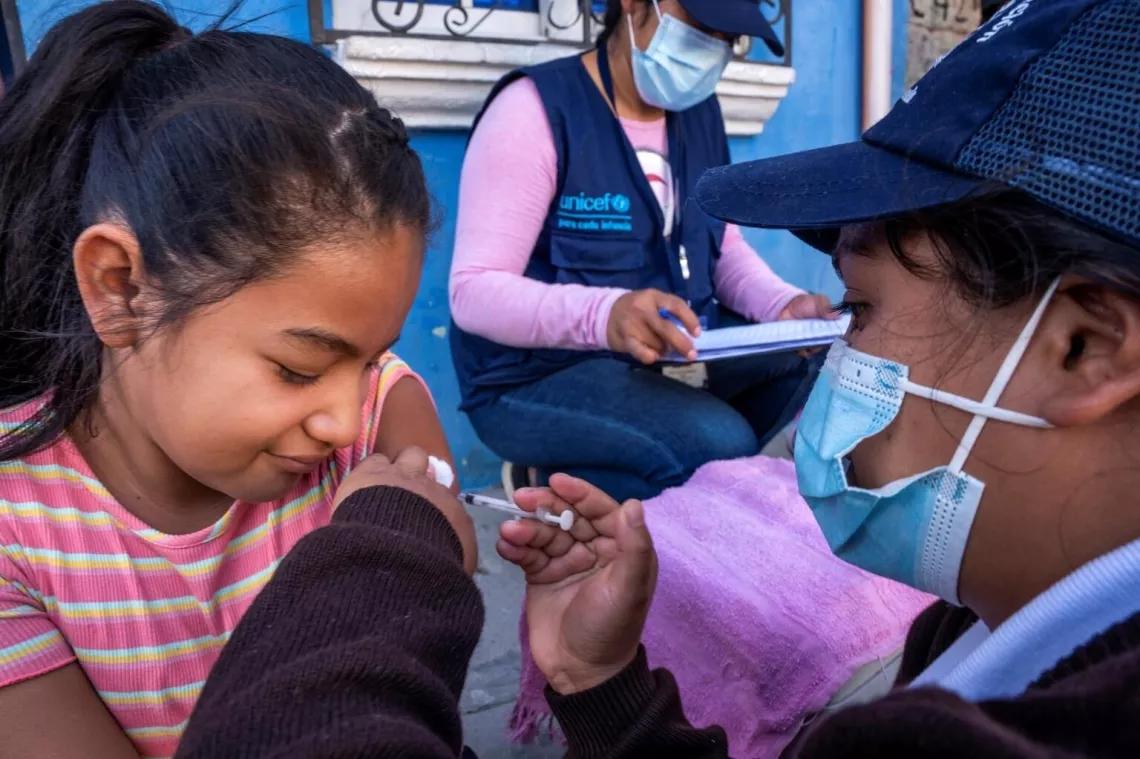
NEW YORK – Routine vaccination against the human papillomavirus (HPV) remains one of the most effective tools to prevent cervical cancer, yet millions of girls worldwide still lack access to vaccines, screening and treatment, according to UNICEF.
The organization warns that a woman dies from cervical cancer every two minutes, despite the disease being largely preventable through vaccination and early detection.
More than 145 countries have incorporated the HPV vaccine into their national immunization programmes. However, UNICEF says this progress is not enough, as many women and girls, particularly those living in low-income countries, continue to face barriers to lifesaving prevention and care.
A Preventable Disease with a Heavy Global Toll
Cervical cancer is the fourth most common cancer among women worldwide. In 2022, an estimated 660,000 new cases were diagnosed and around 350,000 women died from the disease.
The highest mortality rates are reported in sub-Saharan Africa, Central America and Southeast Asia, where access to vaccination, screening and treatment remains limited.
HPV Causes More Than 95% of Cervical Cancer Cases
According to UNICEF, more than 95% of cervical cancer cases are caused by HPV, the world's most common sexually transmitted infection.
While there are more than 200 types of HPV, most infections cause no symptoms. However, high-risk strains can lead to persistent infections that may develop into cervical cancer if left undetected and untreated.
Vaccination Can Prevent Up to 90% of Cases
UNICEF highlights that HPV vaccination can protect against the virus types responsible for up to 90% of cervical cancer cases, making it the most effective preventive measure available.
Many countries routinely vaccinate girls aged 9 to 14, but global coverage remains low. As of 2023, only one in five girls worldwide had been fully vaccinated against HPV.
Screening and Early Treatment Save Lives
The organization stresses that routine cervical cancer screening is essential for detecting the disease at an early stage, when it can often be treated successfully, sometimes with surgery alone.
Although cost-effective screening and treatment options are available, many women and girls still cannot access these services through their local health systems.
Women in Low-Income Countries Face the Greatest Risk
According to UNICEF, more than 90% of cervical cancer deaths recorded in 2022 occurred in low- and middle-income countries, highlighting persistent global inequalities in healthcare access.
The organization notes that:
• Less than 25% of low-income countries have introduced the HPV vaccine into their national immunization schedules.
• In many low-income countries, fewer than 5% of women have ever been screened for cervical cancer.
• Less than 5% of cancer patients in the world's poorest countries have access to safe, effective and timely cancer surgery.
UNICEF called for expanding access to affordable HPV vaccination, cervical cancer screening and treatment services, emphasizing that wider coverage is essential to achieving the global goal of eliminating cervical cancer as a public health threat.