




LEBANON - Persons with disabilities have been facing severe barriers to safety, shelter and humanitarian assistance during Lebanon’s 2026 displacement crisis, according to a new gender and disability alert issued by humanitarian organizations and disability advocates.
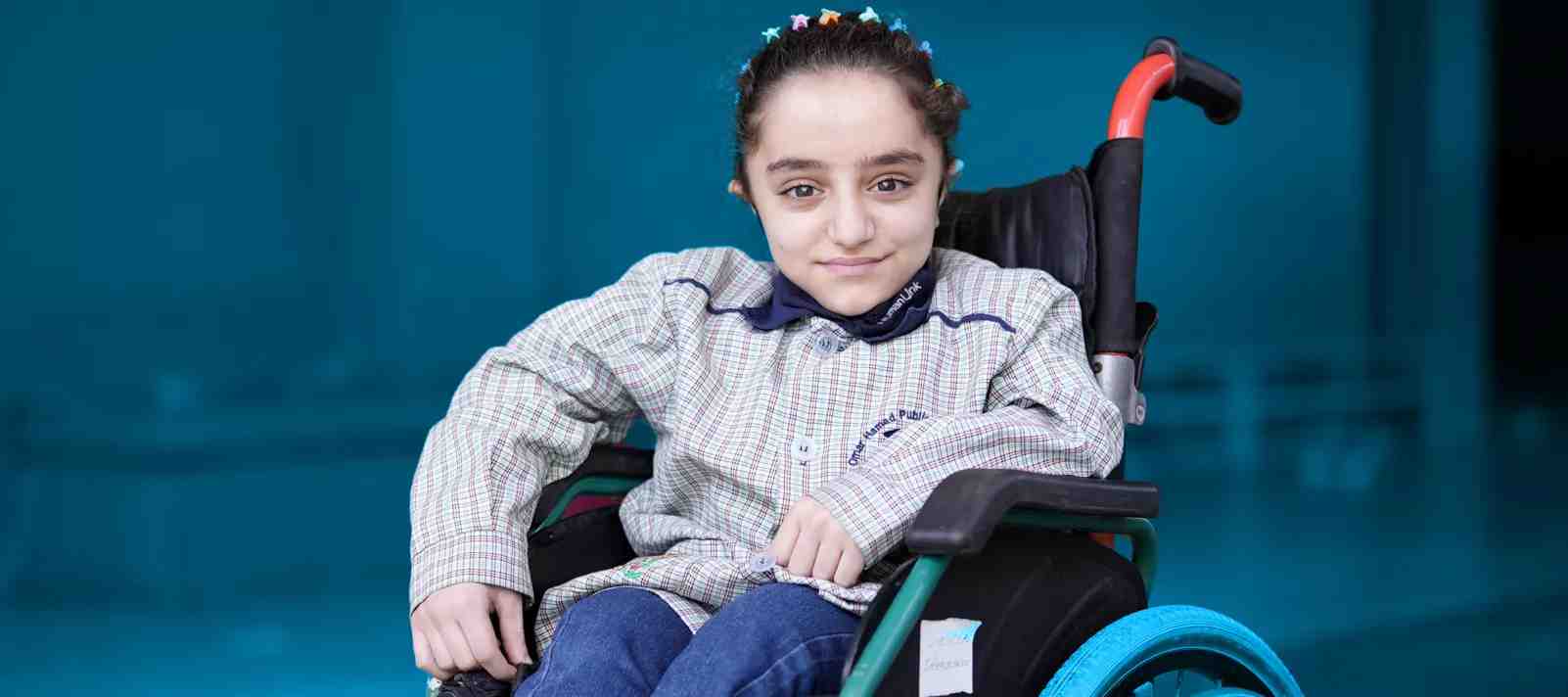
The report warns that women and girls with disabilities are among the most vulnerable groups affected by the conflict, facing heightened risks of exclusion, violence and inadequate access to essential services.
The crisis, triggered by renewed hostilities in March 2026, has displaced more than one million people across Lebanon. Although many have returned to their homes, the report underscores an essential gap in the social protection system.
Data Gap Obscures Full Scale of Disability Needs
Humanitarian officials say the true number of displaced persons with disabilities remains unknown due to major gaps in data collection. While government figures indicate that 28,754 displaced people hold official disability cards, experts caution that the figure does not represent the total population of persons with disabilities affected by the crisis.
Applying the global disability prevalence estimate of 15 percent to the registered displaced population suggests that as many as 157,000 displaced people may be living with disabilities. However, comprehensive disability-disaggregated data are largely unavailable, particularly for those living outside formal shelters.
Humanitarian organizations warn that the lack of reliable information limits efforts to identify needs, prioritize assistance and ensure equitable access to services.
Shelters Remain Largely Inaccessible
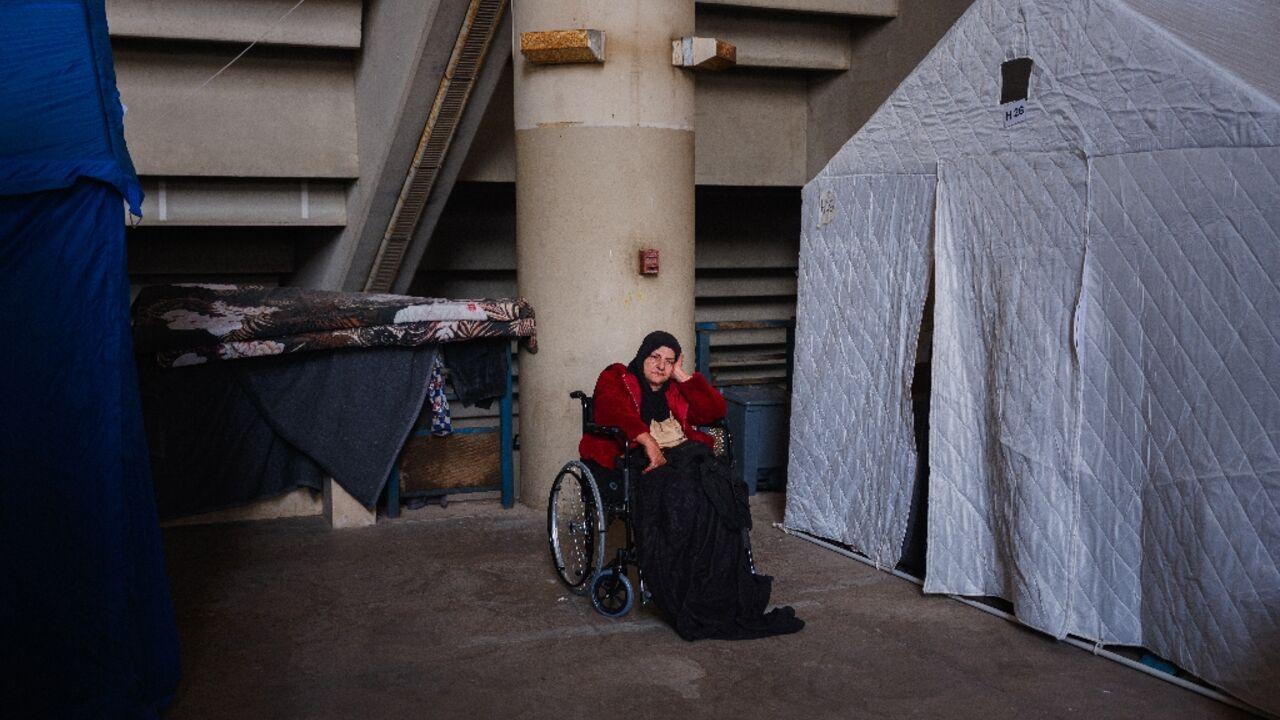
Accessibility assessments conducted across 77 collective shelters revealed significant shortcomings. Only 14 percent of the shelters surveyed were found to be fully accessible for persons with disabilities.
Common barriers included inaccessible toilets and bathing facilities, non-functioning elevators, inadequate sleeping arrangements and a lack of ground-floor accommodation.
Advocacy groups documented cases in which persons with disabilities were denied shelter admission, assigned unsuitable spaces or left without clear referral pathways to support services.
Individuals with intellectual, psychosocial and communication-related disabilities faced additional challenges due to limited awareness and training among shelter staff.
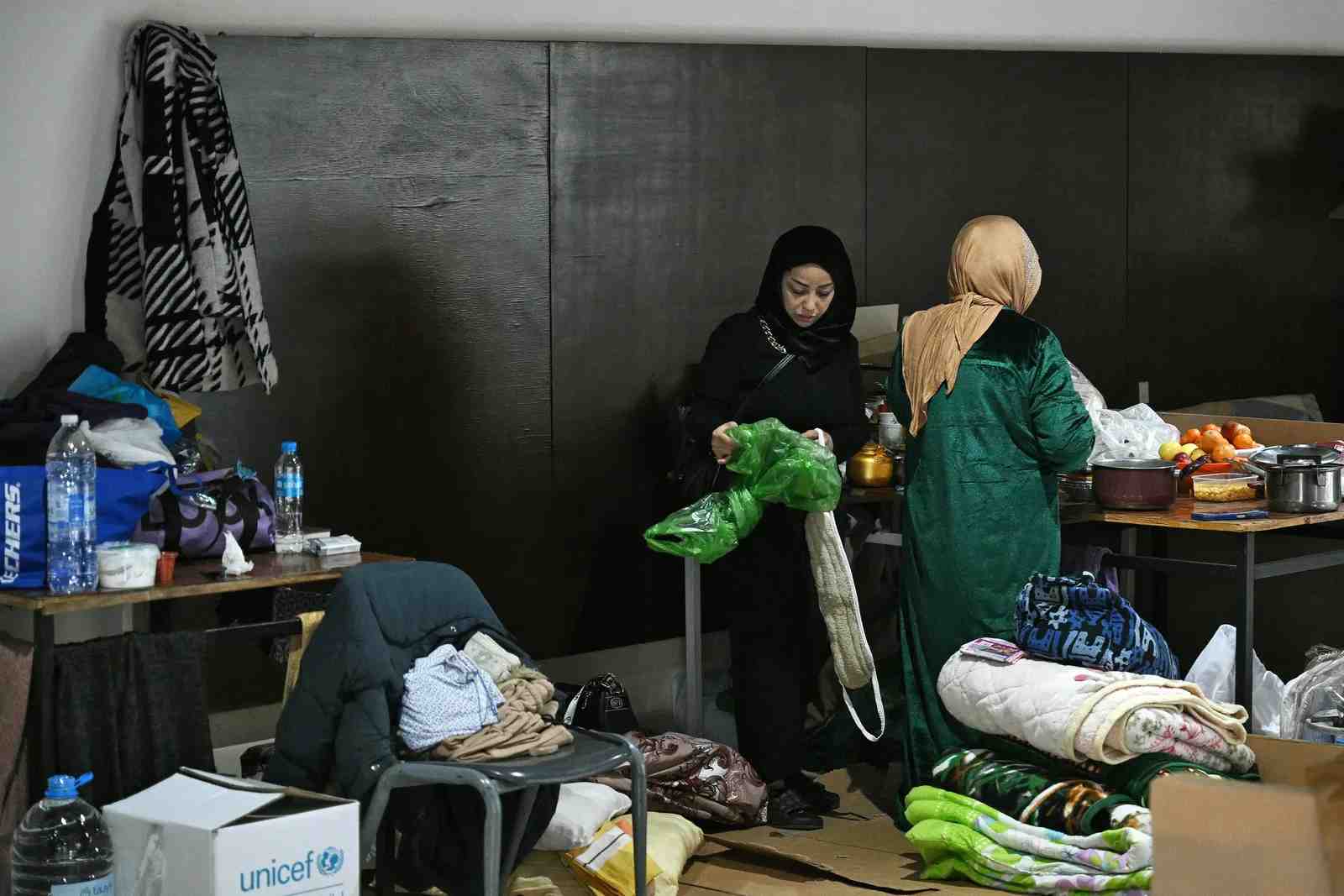
Many displaced persons with disabilities have instead sought refuge in rented housing, host communities, unfinished buildings or public spaces, where humanitarian assistance is often harder to access.
Women and Girls Face Compounded Risks
The report highlights the disproportionate impact of the crisis on women and girls with disabilities. Displacement has increased their exposure to gender-based violence, exploitation and abuse while reducing access to sexual and reproductive healthcare, protection services and complaint mechanisms.
Humanitarian organizations also reported challenges related to menstrual hygiene management, particularly for women and girls with physical, intellectual and multiple disabilities.
Calls for Inclusive Humanitarian Response
The alert urges authorities, humanitarian agencies and donors to strengthen disability-inclusive planning and response efforts. Recommended actions include improving disability-disaggregated data collection, ensuring accessible shelters and evacuation systems, expanding flexible cash assistance and integrating accessibility across health, protection and education services.
Organizations of Persons with Disabilities (OPDs) are also calling for greater recognition and funding to support their role in outreach, coordination and monitoring.
Advocates argue that a fully inclusive response is essential to protect the rights, dignity and participation of persons with disabilities, particularly women and girls, as Lebanon’s humanitarian crisis continues.