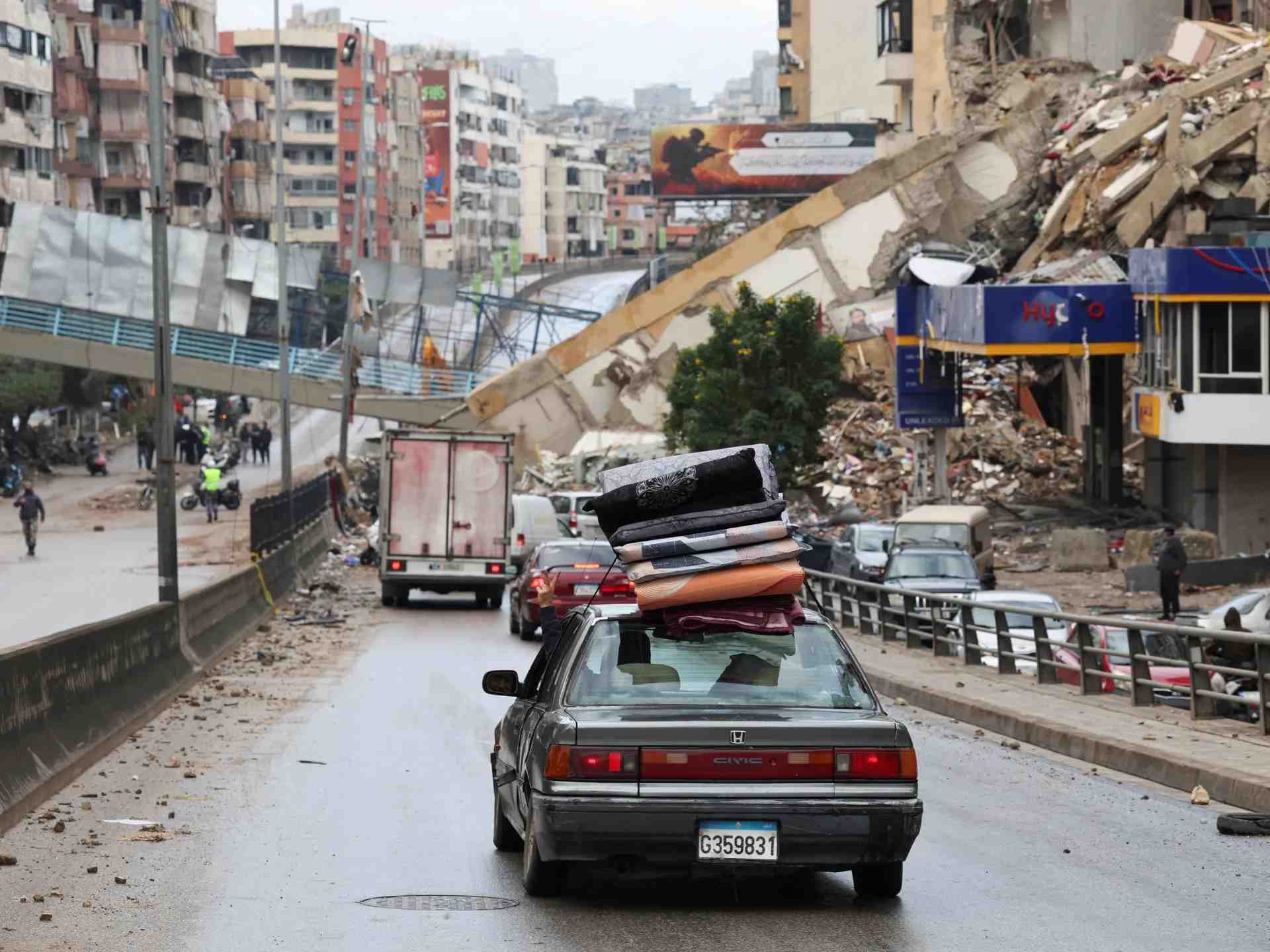








LEBANON - More than 821,000 people displaced by the war in Lebanon have begun returning to their hometowns following a reduction in hostilities, according to the United Nations, marking a significant step in the country's ongoing humanitarian recovery.
The latest figures, released by the UN Office for the Coordination of Humanitarian Affairs (OCHA), show that 821,077 displaced people had returned to their areas of origin as of July 30.
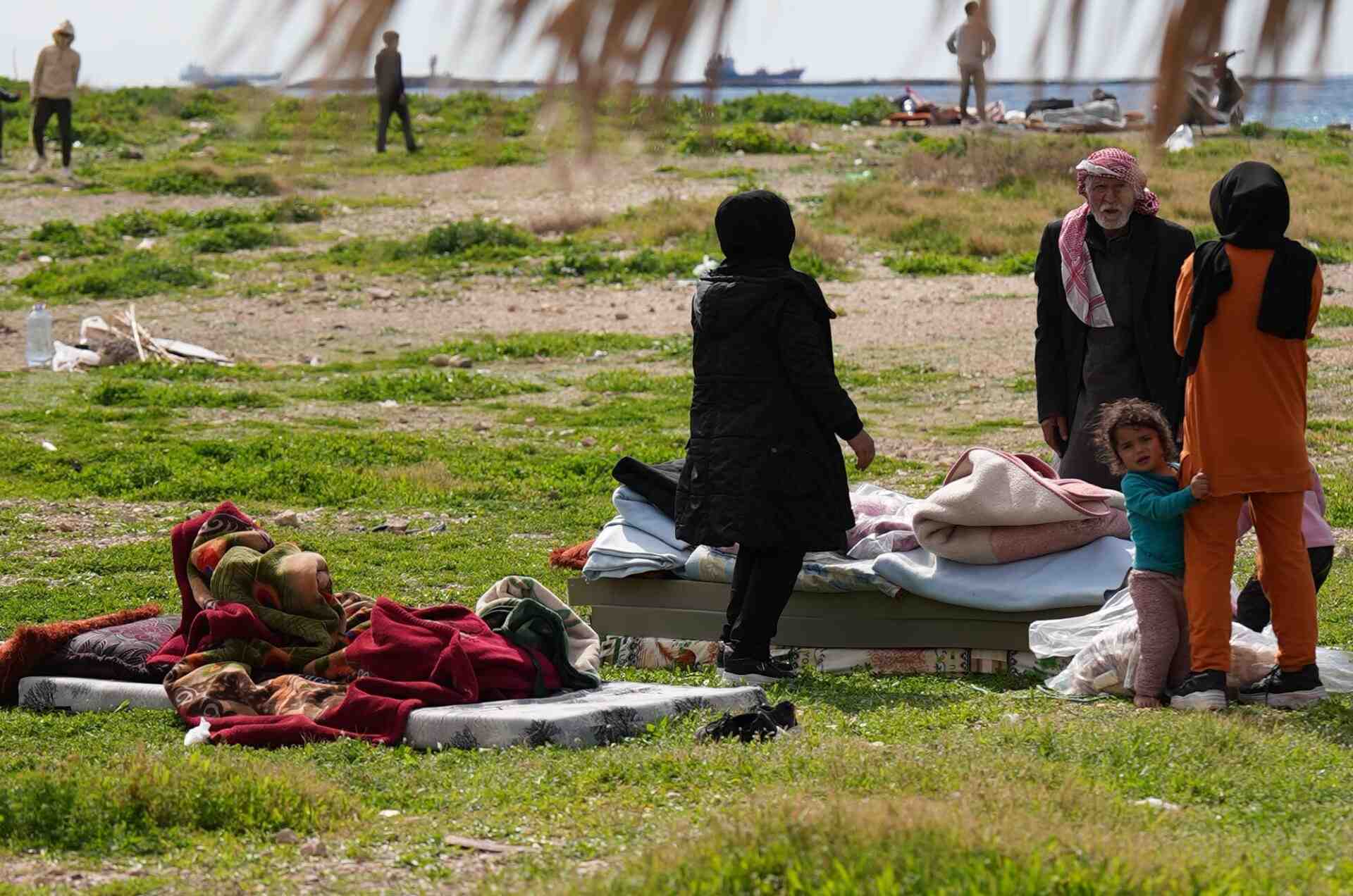
Despite the large-scale returns, the agency said more than 360,000 people remain displaced, including approximately 26,000 people staying in government-run collective shelters.
The conflict triggered one of Lebanon's largest displacement crises in recent years, forcing more than one million people to flee their homes at its peak.
While many families have now begun returning, humanitarian agencies warn that recovery remains challenging, particularly in areas that suffered extensive damage to infrastructure and public services.
According to OCHA, damage to water and electricity networks has severely disrupted access to essential services across southern Lebanon.
The agency estimates that more than 700,000 people continue to face limited access to safe drinking water because of damaged infrastructure, underscoring the scale of reconstruction needed in affected communities.
Returning families are also encountering damaged homes, disrupted livelihoods and limited access to healthcare, education and public utilities. Humanitarian organizations say these conditions continue to affect the pace and sustainability of returns.
Although displacement figures have steadily declined in recent weeks, OCHA noted that hundreds of thousands of people remain unable to return home. Many continue to rely on temporary accommodation or collective shelters while waiting for basic services to be restored or for their homes to become habitable.
The agency emphasized that recovery efforts now extend beyond emergency assistance and require sustained investment in rebuilding infrastructure, restoring essential services and supporting affected communities as they resume daily life.
OCHA said access to clean water remains one of the most pressing concerns in areas affected by the conflict. Damage to pumping stations, distribution networks and electricity infrastructure has limited water production and supply, increasing the risk of shortages for returning communities.
Aid agencies are also working to support families through shelter assistance, rehabilitation of damaged homes and the restoration of community services.
However, they caution that the scale of needs remains significant, with many households requiring continued humanitarian assistance even after returning to their places of origin.
As more displaced people make their way back home, humanitarian organizations say the focus is shifting from emergency displacement response to long-term recovery.