






LEBANON- Rising temperatures are changing where and when infectious diseases can spread. Climate change is not creating new diseases, but warmer conditions, irregular rainfall, floods and droughts can help mosquitoes and sandflies remain active longer, create breeding sites and increase reliance on unsafe water.
These changes do not automatically cause outbreaks. Transmission also depends on sanitation, housing, travel, surveillance and access to healthcare. However, climate change can make outbreaks more likely when these systems are weak.
This is particularly concerning in Southwest Asia and North Africa, where warming intersects with water scarcity, displacement and already pressured health systems.
Longer seasons and wider territories for mosquitoes
Mosq Dengue is a viral infection transmitted mainly through the bite of an infected Aedes mosquito. It is not usually passed directly from one person to another. Instead, a mosquito bites a person carrying the virus, becomes infected and can later transmit the virus when it bites someone else.
“Dengue transmission” refers to this process of the virus moving between people through mosquitoes. For transmission to continue, several conditions must come together: the mosquito must be present, survive long enough for the virus to develop inside it, bite people frequently and encounter both an infected person and others who are susceptible to the virus.
Temperature affects several parts of this process. Warmer weather can accelerate mosquito development, increase biting activity and shorten the time required for the virus to become transmissible inside the mosquito. Milder winters can also allow mosquito populations to survive longer, while warmer springs and autumns can extend the annual transmission season.
This is why “transmission potential” is important to measure. It describes how suitable the environmental conditions are for dengue to spread; it does not represent the number of people who have contracted the disease. Actual case numbers are also influenced by travel, mosquito control, population immunity, housing, healthcare access and the ability of surveillance systems to identify infections.
Globally, the climatic suitability for dengue transmission has increased significantly. According to the 2025 Lancet Countdown on Health and Climate Change, the global average transmission potential of dengue has risen by as much as 49% since the 1950s.
A separate 2025 study covering 21 countries estimated that human-caused warming was responsible for an average of 18% of recorded dengue incidence during the period studied. Importantly, the greatest effects were found in relatively cooler areas approaching temperatures that favor transmission.
This is relevant to a region where dengue is already emerging or recurring. Outbreaks have been reported in countries including Yemen, Sudan, Somalia, Djibouti, Saudi Arabia, Oman and Egypt. WHO has linked the growing global and regional risk to a combination of climate change, unusual rainfall, urbanisation, population movement, weak water systems and the expansion of Aedes mosquitoes.
Climate does not affect every location in the same way. Excessive heat or severe dryness can sometimes reduce mosquito survival. The concern is therefore not that every country will simply experience more diseases, but that transmission seasons and geographical risk areas are becoming less predictable.
Too much water—and too little
Both flooding and drought can create conditions for infection.
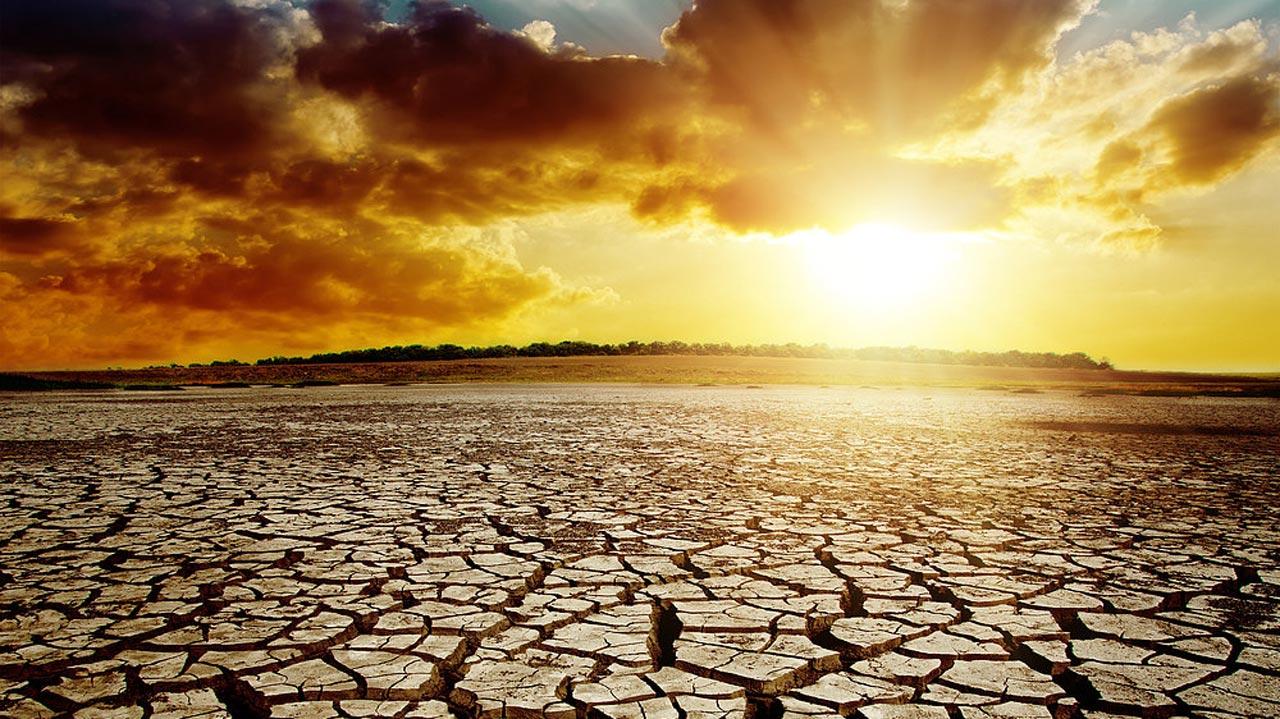
Heavy rainfall can overwhelm wastewater systems, contaminate drinking-water sources and leave pools of standing water where mosquitoes reproduce. Drought has a different effect: when public water supplies become less reliable, households may depend on unsafe sources or store water in tanks, buckets and containers. If these are not properly covered and regularly cleaned, they can become breeding sites for mosquitoes.
This connection is particularly important in Lebanon, where household water storage is often a response to intermittent public supply rather than a matter of personal preference.
Water scarcity also increases the risk of cholera and other diarrheal diseases. Lebanon’s 2022 cholera outbreak—the country’s first in approximately 30 years—resulted in 5,819 suspected and confirmed cases and 23 deaths by the end of that year. Insufficient investment in water and sanitation, electricity shortages and cross-border transmission were central to the outbreak.
Climate change should not be presented as its direct cause. Rather, drought, irregular rainfall and flooding can place additional pressure on the same water and sanitation systems whose failure allows cholera to spread.
Familiar regional diseases may also change
Leishmaniasis offers another example. The disease is transmitted through infected sandflies and is already present across parts of the region. According to WHO, changing temperatures and rainfall can affect the size and geographical distribution of sandfly populations. Drought, famine and flooding can also push communities towards areas where transmission is established.
These environmental changes frequently overlap with conflict and displacement. People living in crowded or inadequate housing may have less protection from insects, while disrupted healthcare services can delay diagnosis and treatment.
This should not be framed as displaced populations bringing disease. The greater risks come from the conditions into which people are displaced: overcrowding, inadequate waste management, interrupted water services and limited access to healthcare.
What Lebanon can learn from Africa
One of the most applicable lessons from Africa is the growing use of climate information to anticipate outbreaks.
Countries including Ethiopia, Malawi, Mozambique, Rwanda, Tanzania, Togo and Uganda are working to integrate rainfall, temperature and other environmental information into routine health-data systems. These tools can help identify when conditions are becoming more suitable for malaria and other climate-sensitive diseases, allowing authorities to target surveillance and prevention earlier.
Lebanon could apply the same principle to dengue, chikungunya, leishmaniasis and waterborne infections. Weather forecasts could be combined with mosquito monitoring, laboratory results, water-quality testing and reports of unusual fever or diarrhea.
Climate change may not bring entirely unfamiliar pathogens to Lebanon. The more immediate risk is that it will provide familiar regional diseases with longer seasons, new breeding grounds and additional opportunities to spread. Preparedness must therefore begin before hospitals see an increase in patients—by treating climate information as part of infectious-disease surveillance.